Visual context for reFX introduce Rippler.
The electronic music production landscape is experiencing an exciting shift toward highly tactile, organic sound generation. As software developers push the boundaries of virtual instruments, the legendary team at reFX—the minds behind the powerhouse Nexus and Vanguard synths—has unveiled an incredibly ambitious new instrument. Here at SM Mastering, we love analyzing tools that bridge the gap between acoustic authenticity and digital flexibility. We are thrilled to explore this release as reFX introduce Rippler, a groundbreaking dual-layer synthesizer that seamlessly fuses physical modeling with classic subtractive synthesis. Designed to emulate both real-world acoustic instruments and otherworldly, imagined textures, this plugin represents a significant leap forward for modern music producers, sound designers, and mix engineers alike.
Technical Breakdown: Why reFX introduce Rippler to the Modern Producer
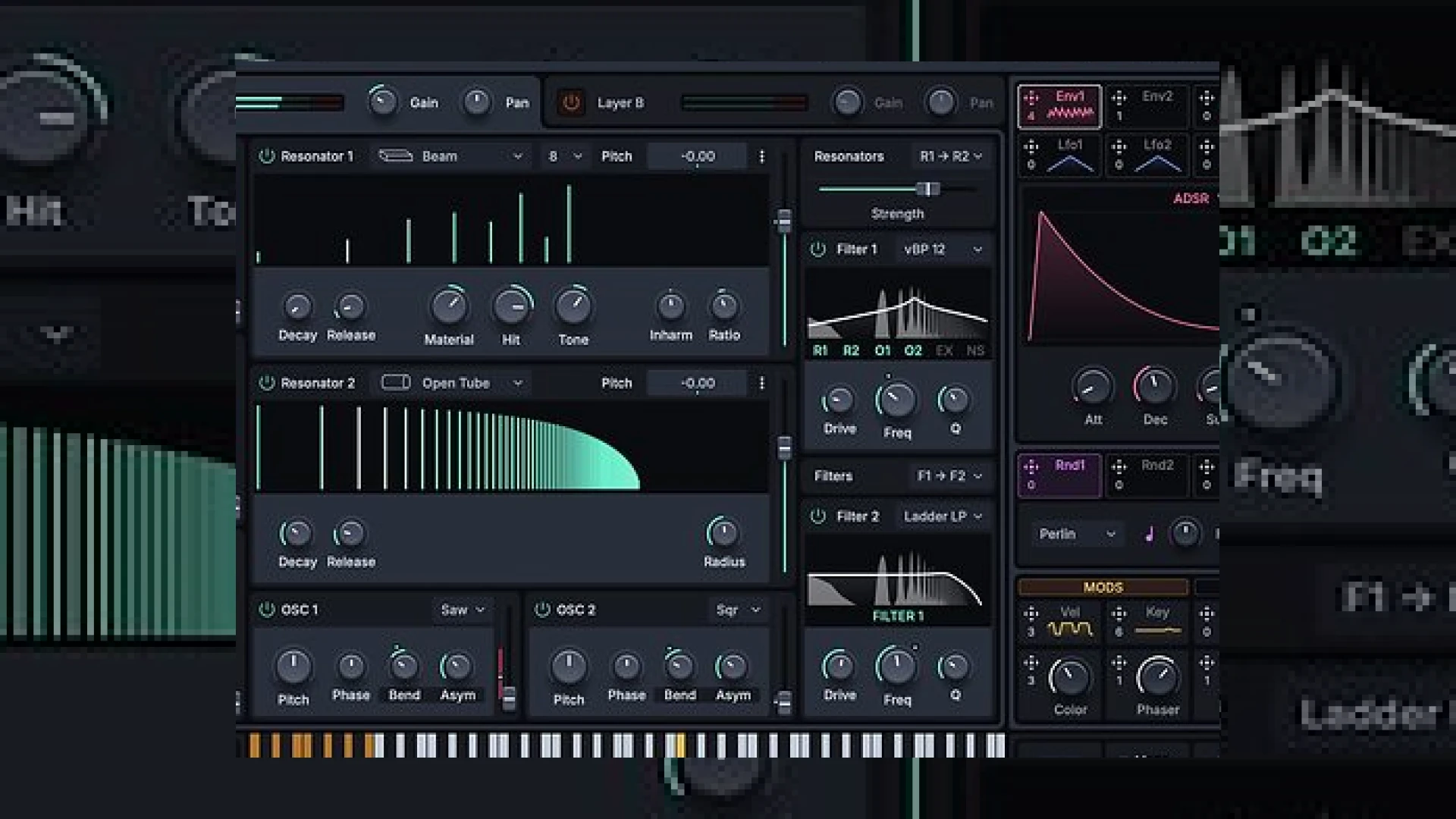
At the heart of the architecture when reFX introduce Rippler is a highly sophisticated dual-layer engine. Each layer functions independently, equipped with a pair of Resonator modules and two traditional oscillators. The Resonators are the true stars of the show, allowing users to load up to 12 distinct physical models. These models replicate the physical properties of real-world objects and materials, ranging from vibrating strings and drum heads to metallic plates and resonant tubes. What makes this implementation so powerful is the ability to cross-modulate and craft interactive feedback loops between the Resonator modules, allowing sound designers to generate evolving, organic soundscapes that react dynamically to user input.
Complementing this physical modeling engine is a pair of classic oscillators generating standard waveforms (sine, saw, square, and noise). This allows the acoustic-style physical modeling to be augmented with traditional subtractive synthesis, guided by a pair of highly flexible, multi-mode filters. Much like the classic filtering tools and analog hardware emulations developed by pioneers like Universal Audio, these filters shape raw physical vibrations into warm, record-ready textures that sit perfectly in a stereo field.
Modulation is comprehensive, with every single parameter capable of being targeted by custom envelopes and LFOs. Routing is as simple as a drag-and-drop system, and every connection features customizable response curves for precise movement control. Additionally, since reFX introduce Rippler with full MIDI Polyphonic Expression (MPE) support, expressive keyboard players can manipulate pitch-bend, pressure, and slide independently for every individual note, making it one of the most expressive virtual instruments on the market today.
Rippler Specifications Overview
To help you understand where this instrument fits in your current workflow, we have compiled a quick reference table detailing its key features, pricing, and our expert rating.
| Specification / Metric | Details |
|---|---|
| Product Name | reFX Rippler |
| Primary Use | Physical Modeling, Hybrid Subtractive Synthesis, and Sound Design |
| Key Features | Dual layers, 12 physical models, MPE support, drag-and-drop modulation, 12 effects per layer + 13 master effects |
| Price | $149 USD (Standard reFX Pricing) |
| SM Mastering Rating | 9.2 / 10 |
Practical Studio Workflow Tips for Rippler
Integrating a complex physical modeling synthesizer into a busy project can sometimes feel overwhelming. To get the most out of your sessions, consider these professional production tips:
- Embrace the Layering Power: Use Layer A for the transient “pluck” or “strike” using a physical model (like a metal plate or string), and Layer B for a sustained, warm subtractive pad. This creates an incredibly rich, hybrid sound that occupies both the acoustic and electronic realms.
- Leverage MPE for Realism: If you own an MPE-compatible controller, map “Slide” to the resonator’s material decay time and “Pressure” to the filter cutoff. This allows you to perform live acoustic swells that feel completely natural.
- Utilize High-Quality Mastering Preparation: Because physical modeling can generate unpredictable, ultra-low sub-bass frequencies and sharp high-frequency resonances, always place a high-pass filter on your Rippler tracks. For more pro mixing advice, check out our resource guide at SM Mastering Audio Articles to learn how to clean up your low end before sending tracks to mastering.
Conclusion
Ultimately, as reFX introduce Rippler, they have delivered an incredibly versatile instrument that successfully bridges the gap between the acoustic and digital domains. By combining physical modeling, subtraction synthesis, an intuitive drag-and-drop modulation matrix, and a massive array of high-quality effects, Rippler is poised to become a staple for cinematic composers, electronic music producers, and sound designers looking to add a touch of organic realism to their tracks.
Frequently Asked Questions
What is physical modeling synthesis?
Physical modeling synthesis uses mathematical algorithms to calculate and simulate the physical properties of real-world instruments or acoustic objects (such as strings, columns of air, plates, or membranes) rather than relying on pre-recorded audio samples.
Does Rippler support MIDI Polyphonic Expression (MPE)?
Yes, Rippler features full native MPE support. This allows compatible hardware controllers to transmit independent pitch-bend, pressure, and slide data for every individual note played, resulting in highly expressive performances.
Can I combine subtractive synthesis with physical modeling in Rippler?
Absolutely. Rippler features a hybrid architecture. Each of its two layers contains both physical resonator modules (emulating physical materials) and standard oscillators (generating classic virtual analog waveforms), allowing you to blend both worlds seamlessly.
🛒 Official Product Info & Where to Buy
Check full technical specs, pricing, and purchase options directly from the official manufacturer or authorized dealer for reFX introduce Rippler.

Written by SM Mastering
Official content on sound engineering, mixing, mastering, and advanced electronic production by SM Mastering.