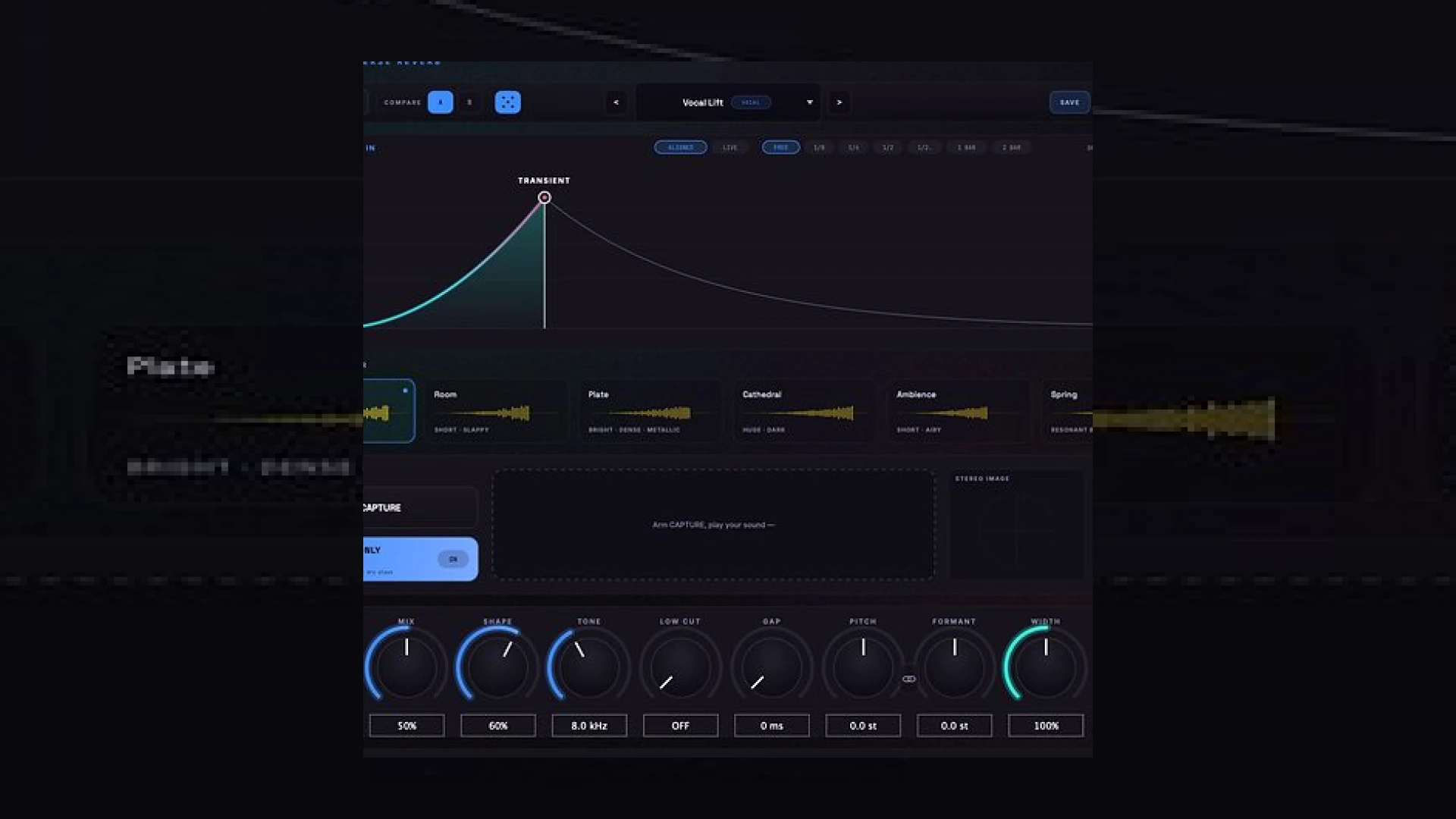
Visual context for Low End Candy release Preverb.
In the fast-paced world of modern music production, transition effects serve as the sonic glue that binds a mix together. Historically, creating the classic “reverse reverb” sweep or vocal riser has been a tedious, multi-step process involving bouncing audio, reversing the region, applying heavy reverb, bouncing again, and reversing it back. However, with the official low end candy release preverb utility hitting the market, this time-consuming workflow has been condensed into a seamless, real-time creative experience.
Here at SM Mastering, we often analyze tools that bridge the gap between creative production and technical efficiency. While master processing focuses on final polish, having clean, well-aligned transitions in the mix makes a massive difference in the headroom and impact of the final master. Check out our comprehensive guides on production and engineering over at our SM Mastering Audio Articles hub to optimize your mixdowns before they reach the mastering stage.
Streamlining Workflows with the Low End Candy Release Preverb
When analyzing the low end candy release preverb from a mastering engineer’s perspective, the primary benefit is the preservation of creative momentum. In standard workflows, creating a custom vocal riser means halting your mixing or mastering flow to perform destructive audio rendering. By using a dedicated plugin, producers can generate high-quality pre-reverb sweeps instantly. Unlike generic reverb processors, this software features a “Capture” mechanism that records the incoming signal and immediately renders the reverse tail as a draggable WAV file right from the GUI.
This streamlined workflow allows you to maintain the sonic character of your original sound source. Whether you are using classic processors from industry leaders like Soundtoys or stock utilities, having a dedicated solution specifically optimized for reverse spatialization reduces digital clutter and keeps your session organized.
Technical Architecture and Sonic Profiles
Under the hood, the plugin packs an impressive array of spatial options. Instead of relying on a single, generic reverb algorithm, users can select from six distinct models: Hall, Room, Plate, Cathedral, Ambience, and Spring. These algorithms cover everything from tight, localized spatialization to massive, endless atmospheric washes. Standard parameters such as length, mix, tone, and EQ filtering are accompanied by independent or linkable Pitch and Formant controls—allowing for highly expressive sound design.
To help you decide if this plugin fits your current production toolkit, we have put together a detailed breakdown of its core specifications below:
| Name | Primary Use | Price | Rating |
|---|---|---|---|
| Preverb by Low End Candy | Reverse Reverb, Risers, Transition Effects | $49.00 USD | 4.7 / 5.0 |
The technical details behind the low end candy release preverb highlight its focus on speed. Because it functions via a drag-and-drop WAV export, it completely bypasses the latency and latency-compensation issues often associated with real-time reverse buffer plugins. This ensures that your transitions remain perfectly locked to the grid, avoiding phase issues or micro-timing discrepancies that can weaken the impact of a drop or chorus transition.
Practical Studio Workflow Tips
To get the most out of your transition designs, consider integrating the low end candy release preverb into your session templates with these expert mixing tips:
- Formant Shifting for Vocals: When generating a vocal preverb, unlink the Pitch and Formant controls. Drop the formant by 2 or 3 semitones while keeping the pitch stable to create a dark, haunting transition that leads perfectly into the main vocal line.
- Dual-Mono Spring Reverb: Use the Spring algorithm on percussive elements like claps or snares. The spring’s natural “boing” translates into a highly energetic, synthetic sweep when reversed.
- Keep the Dry Signal Clean: Since the plugin allows you to drag the generated WAV directly to a new track, keep your original track completely dry. This gives you independent control over the volume, panning, and processing of the transition sweep relative to the main sound.
Conclusion
Ultimately, investing in the low end candy release preverb is a major time-saver for any producer, mix engineer, or sound designer who relies heavily on transition effects. By turning a tedious five-minute technical ritual into a simple two-click process, it keeps your creative focus where it belongs: on the music. Combined with its competitive pricing and highly intuitive interface, this plugin is an easy recommendation for any modern hybrid studio.
Frequently Asked Questions
What formats does Preverb support?
Preverb is available in VST3 and AU formats for Windows and macOS systems. Please note that there is currently no AAX version, which means it is not natively supported in Pro Tools without a third-party wrapper.
Can I use the Pitch and Formant controls simultaneously?
Yes. The Pitch and Formant controls can be adjusted independently to sculpt unique textures, or they can be linked together to maintain a natural relative tonal shift as you pitch the reverse tail up or down.
Is a demo version of the plugin available?
For trial options and direct downloads, you can visit the official developer website to test the plugin’s workflow compatibility within your specific digital audio workstation.
🛒 Official Product Info & Where to Buy
Check full technical specs, pricing, and purchase options directly from the official manufacturer or authorized dealer for Low End Candy release Preverb.

Written by SM Mastering
Official content on sound engineering, mixing, mastering, and advanced electronic production by SM Mastering.