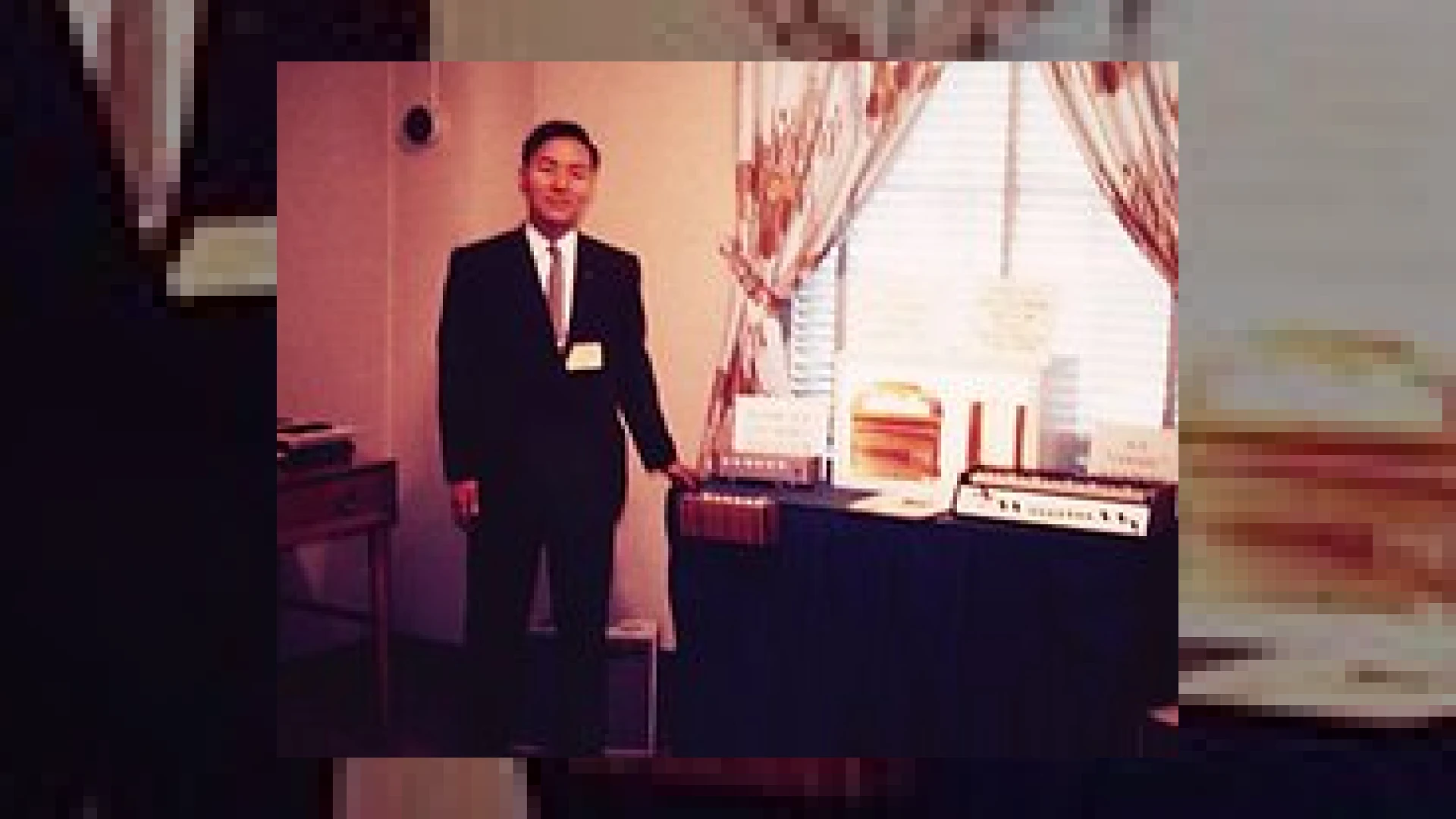
Visual context for Roland founder Ikutaro Kakehashi dies, aged 87.
The music technology industry is in deep mourning as reports confirm that Roland founder Ikutaro Kakehashi dies, aged 87. As an authority in high-end audio mastering, our team at SM Mastering recognizes the immeasurable debt that modern electronic music, hip-hop, and pop production owe to this visionary Japanese inventor. Kakehashi did not simply build instruments; he laid down the physical and digital foundations of the modern studio workflow, shaping the sonic landscape we operate in today.
As we look back at his legendary journey now that Roland founder Ikutaro Kakehashi dies, aged 87, we must honor his relentless pursuit of musical expression. From founding Ace Tone in 1960 to launching the Roland Corporation in 1972, Kakehashi spearheaded the creation of iconic instruments such as the TR-808, TR-909, TB-303, and the Jupiter-8. These devices did not merely replicate acoustic instruments; they birthed entirely new genres of music, from Chicago house to techno and modern trap.
The Global Impact: Roland founder Ikutaro Kakehashi dies, aged 87
Following the solemn announcement that Roland founder Ikutaro Kakehashi dies, aged 87, modern producers are reflecting on his contributions to the MIDI protocol. Alongside Dave Smith of Sequential Circuits, Kakehashi was instrumental in establishing the Musical Instrument Digital Interface (MIDI) standard in 1983. This open standard allowed instruments from different manufacturers to communicate seamlessly, a milestone that earned both innovators a Technical Grammy Award in 2013. Today, whether we are using software instruments in DAWs or integrating analog hardware in our hybrid mastering chain, MIDI remains the universal language of the studio.
To understand the scope of Kakehashi’s engineering and manufacturing legacy, we can examine some of the most influential hardware units produced under his leadership:
| Name | Primary Studio Use | Market Price (Vintage) | Mastering Utility / Rating |
|---|---|---|---|
| Roland TR-808 | Analog Rhythm & Sub-bass Synthesis | $4,000 – $6,000 | 5/5 (Defines modern low-end transient response) |
| Roland TB-303 | Acid Bassline Generation & Resonant Modulation | $3,000 – $4,500 | 4.5/5 (Requires careful harmonic excitement control) |
| Roland Space Echo RE-201 | Analog Tape Delay & Spring Reverb | $1,500 – $2,500 | 5/5 (Unmatched harmonic saturation and spatial depth) |
| Roland Jupiter-8 | Polyphonic Subtractive Synthesis | $15,000 – $25,000 | 5/5 (Lush analog stereophony and phase coherence) |
While Roland founder Ikutaro Kakehashi dies, aged 87, his sonic signature remains immortalized in the DNA of electronic music production. Modern developers like Universal Audio continue to meticulously emulate his hardware circuitry, ensuring that his unique approach to analog saturation, filters, and delays remains accessible to engineers working fully in the box.
Practical Studio Workflow Tips: Processing Classic Roland Instruments
Working with legendary Roland gear—or their digital emulations—requires a deep understanding of transient design, frequency distribution, and dynamic control. Here are some technical tips from our engineers at the SM Mastering Audio Articles archive to help you polish these iconic sounds in your mix:
- Taming the TR-808 Sub-bass: The original 808 kick drum features a massive sub-bass decay around 50Hz. To make it sit perfectly in a modern master, use a dynamic EQ to pull down the dynamic range of the fundamental frequency only when it peaks, rather than applying a static high-pass filter which can thin out the weight.
- Controlling TB-303 Resonance: The 303’s famous 18dB/octave diode ladder filter can generate extreme resonant peaks when modulated. To prevent digital clipping and harshness in the high-mids (around 2kHz to 4kHz), apply a fast-acting multi-band compressor or dynamic equalizer to grab only those harsh resonant spikes during filter sweeps.
- Enhancing Space Echo Depth: When using tape-delay emulations like the RE-201, keep the low end of the delay return clean by using a high-pass filter up to 300Hz. This prevents muddy build-ups in the lower-mid frequencies, keeping your master clear, wide, and punchy.
Conclusion
The departure of Ikutaro Kakehashi marks the end of a golden era of analog hardware design. Yet, his philosophy of “not copying, but creating” continues to inspire our technical philosophy at SM Mastering. His instruments redefined physical acoustics, showing that machines could have a soul, a groove, and an attitude of their own. As the audio community processes the news that Roland founder Ikutaro Kakehashi dies, aged 87, his legacy lives on in every kick drum drop, every synthesizer swell, and every master we deliver.
Frequently Asked Questions
What instruments did Ikutaro Kakehashi invent?
While Ikutaro Kakehashi did not single-handedly engineer every unit, he was the visionary force behind the Roland TR-808, TR-909, TB-303, Jupiter-8, and the Boss brand of guitar effects pedals. He also founded Ace Tone (famous for the Rhythm Ace) and ATV Corporation later in his life.
How did Ikutaro Kakehashi impact modern mastering standards?
Kakehashi’s co-creation of the MIDI protocol revolutionized how electronic instruments sync and perform together. Furthermore, the low-end transients of his TR-808 drum machines set the modern standard for sub-bass response, forcing mastering engineers to develop specialized tools for managing high-energy low frequencies.
What books did Ikutaro Kakehashi write?
Kakehashi authored two influential books documenting his philosophy on music technology: his autobiography titled I Believe In Music, and a highly analytical technical publication titled An Age Without Samples, which focuses on the transition from analog synthesis to sample-based reproduction.
Written by SM Mastering
Official content on sound engineering, mixing, mastering, and advanced electronic production by SM Mastering.