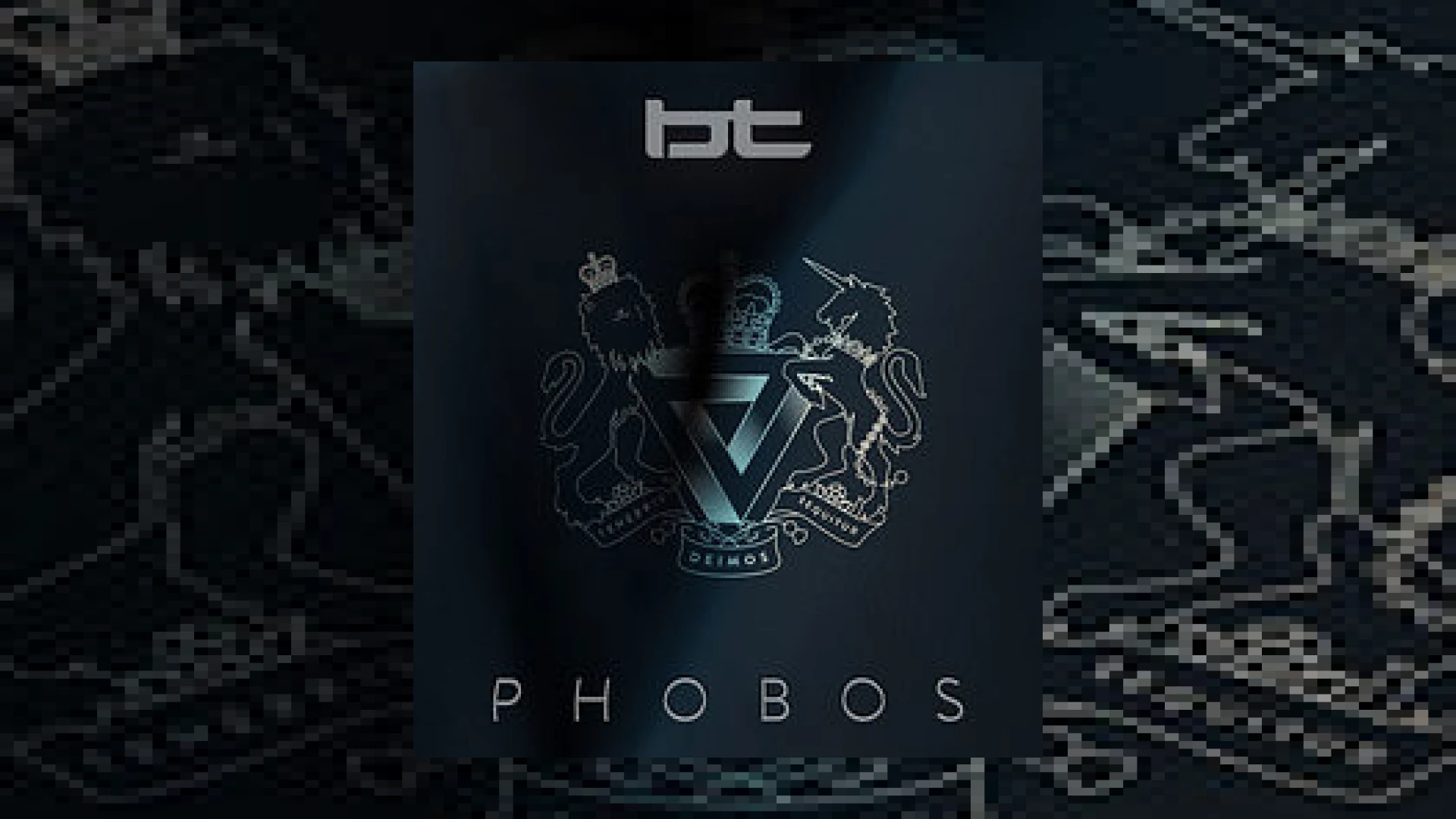
Visual context for Spitfire & BT's Phobos convolution synth revealed.
The landscape of sound design is constantly shifting, but occasionally, a tool emerges that completely redefines how we process audio. When the official release of spitfire & bt’s phobos convolution synth revealed a collaborative effort between Spitfire Audio and electronic pioneer BT (Brian Transeau), the music production community sat up and took notice. By merging the concepts of traditional synthesis with a state-of-the-art polyconvolution engine, this instrument is designed specifically for modern media composers and electronic music producers looking for unparalleled depth, movement, and sonic innovation.
Understanding the Tech Behind Spitfire & BT’s Phobos Convolution Synth Revealed
To understand what makes this release so groundbreaking, we must look under the hood of what was shown when spitfire & bt’s phobos convolution synth revealed its inner workings. Traditional convolution uses static impulse responses (IRs) to recreate spaces like halls or plates. However, Phobos utilizes a revolutionary “polyconvolver” engine. This engine allows users to load up to three separate convolution sources, which can be dynamically modulated and morphed in real time.
This means your sound source isn’t just passing through a static space; it is actively transforming through 20GB of hand-crafted BT rhythms, pulses, and textures. BT is no stranger to advanced DSP design, having previously collaborated with manufacturers like iZotope on legendary tools such as BreakTweaker and Stutter Edit. With Phobos, the focus is on “molecular” control, giving composers the ability to morph sounds in over sextrillion (that’s 36 zeros) ways.
Technical Specifications
| Specification | Details |
|---|---|
| Product Name | Spitfire Audio & BT – Phobos |
| Core Engine | Polyconvolver Synthesis Engine |
| Library Size | 20 GB of custom BT-created content |
| Supported Formats | VST, VST3, AU, AAX |
| Target Audience | Media Composers, Sound Designers, Electronic Producers |
| Price | £209 / $229 (Introductory Promo Pricing) |
| SM Mastering Rating | 4.8 / 5 Stars |
Integrating Phobos into Your Mastering and Mixing Workflow
When spitfire & bt’s phobos convolution synth revealed its massive modulation matrix, many electronic music producers wondered how it would fit into a traditional studio workflow. At SM Mastering, we often emphasize that modern mastering isn’t just about loudness; it is about depth, stereo width, and harmonic cohesion. You can read more about our technical guides on our SM Mastering Audio Articles page. Utilizing Phobos as an auxiliary effect processor can inject organic movement into cold, sterile digital stems.
Furthermore, now that spitfire & bt’s phobos convolution synth revealed its updated graphical user interface (GUI), navigating its complex web of virtual patch cables and polyconvolvers is easier than ever. Composing with over sextrillion potential sonic combinations allows producers to establish a unique sonic footprint before sending their tracks to mastering. The synth’s ability to sync rhythms to your host DAW’s tempo makes it an indispensable tool for fast-paced film scoring environments.
Practical Studio Tips for Phobos
- Modulate the Impulse Responses: Instead of keeping your convolution paths static, map LFOs to the IR source parameters. This creates morphing ambient tails that evolve over time, preventing the mix from sounding cluttered.
- Create Dynamic Contrast: Use the polyconvolver’s mapping features to link envelope generators to sound sources. This ensures the convolution effect blooms after the initial transient of your sound, maintaining punch in your mix.
- Keep the Low End Clean: Because Phobos generates rich, dense textures, apply high-pass filtering on your convolution return tracks to prevent mud in the 100Hz–250Hz region before sending your pre-master to SM Mastering.
Conclusion
Spitfire Audio and BT have delivered an absolute powerhouse of a synthesizer that breaks the mold of traditional sample libraries. By unlocking the liquid, morphing capabilities of dynamic convolution, Phobos bridges the gap between composition and futuristic sound design. Whether you are writing a cinematic blockbuster score or producing cutting-edge electronic music, this synth offers an endless playground of sonic possibilities.
Frequently Asked Questions
What makes Phobos different from a standard synthesizer?
Unlike traditional subtractive or wavetable synthesizers, Phobos uses a unique “polyconvolver” engine. It takes active loops and sounds and passes them through up to three dynamic impulse responses (which are also sound sources), resulting in a fluid, morphing texture that behaves unlike standard filters or effects.
Is Phobos compatible with all major DAWs?
Yes, Phobos is fully compatible with major digital audio workstations. It supports VST, VST3, AU, and AAX formats, making it easy to run in Pro Tools, Logic Pro, Ableton Live, Cubase, and more.
Do I need a high-end computer to run Phobos smoothly?
Because Phobos processes multiple convolution engines simultaneously, it can be CPU-intensive. It is recommended to run it on a modern multi-core processor with at least 8GB of RAM (16GB preferred) and host the 20GB library on an SSD for optimal performance.
🛒 Official Product Info & Where to Buy
Check full technical specs, pricing, and purchase options directly from the official manufacturer or authorized dealer for Spitfire & BT's Phobos convolution synth revealed.

Written by SM Mastering
Official content on sound engineering, mixing, mastering, and advanced electronic production by SM Mastering.