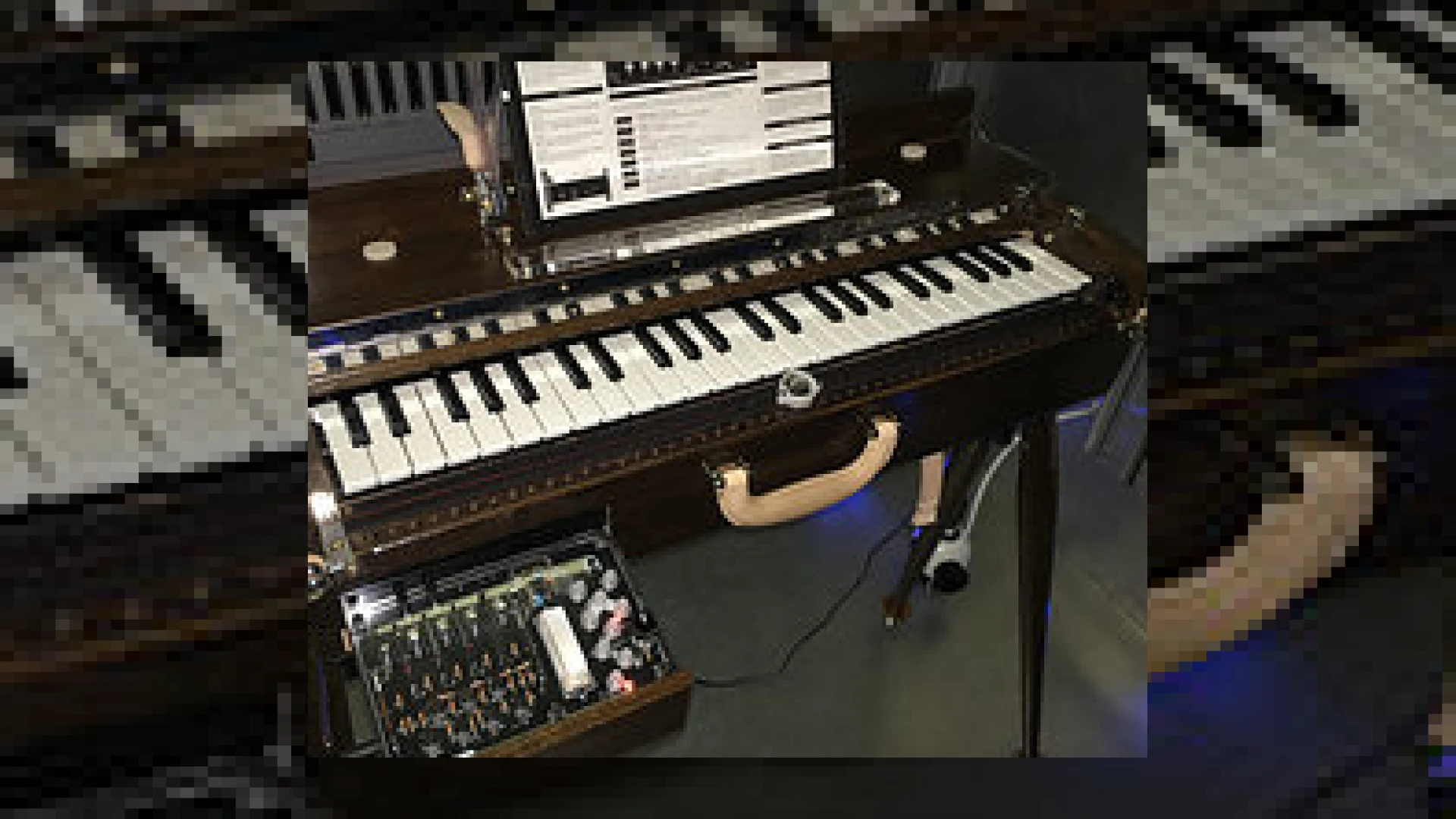
Visual context for Ondomo is revitalising a 90-year-old electronic instrument.
The music production world is experiencing a fascinating renaissance where vintage analog concepts are being redesigned for modern workflows. In the landscape of modern synthesis, the release of the Ondomo demonstrates how ondomo is revitalising a 90-year-old electronic instrument for today’s hybrid studios. Originally conceived in 1928 by Maurice Martenot, the Ondes Martenot has long been celebrated for its haunting, theremin-like qualities and unparalleled expressive capabilities. However, its massive physical size, extreme rarity, and astronomical price tag kept it out of reach for the average producer. The Japanese manufacturer Asaden is changing this narrative completely.
The Legacy of the Ondes Martenot
The original Ondes Martenot was a masterpiece of early 20th-century engineering. It combined a traditional keyboard with a unique ribbon-and-ring system that allowed for continuous, fluid pitch control. Players could achieve natural vibrato by laterally moving the keys, or glide seamlessly between octaves using the metallic ring worn on their finger. Despite its sonic beauty, maintenance and portability issues meant that only a handful of original units remained in active use worldwide, heavily guarded by specialized conservatories and elite film composers.
For decades, software developers have attempted to recreate these complex acoustic interactions through digital modeling. While some plugins offer convincing emulations, they often lack the tactile, physical feedback that defines the instrument. To truly capture this essence, a physical hardware solution was required—which is exactly where Asaden’s engineering team stepped in.
How Ondomo is Revitalising a 90-Year-Old Electronic Instrument
The magic of this design is that ondomo is revitalising a 90-year-old electronic instrument by shrinking the massive original footprint down to a mere 64cm wide. Weighing only 13 pounds (6kg), this modern iteration fits comfortably on a desktop or in a gig bag. Asaden has preserved the dual-control philosophy: players can still use the highly responsive four-octave keyboard with lateral vibrato action, or slip on the traditional finger ring to glide effortlessly through frequencies with absolute microtonal freedom.
Additionally, Asaden has revolutionized the tone-shaping and speaker systems. The integrated tiroir (control box) allows performers to seamlessly blend between different speaker outputs and select classic analog waveforms generated by the internal oscillators. The inclusion of a built-in speaker makes it an entirely self-contained instrument, ideal for both intimate practice sessions and experimental studio recording.
Ondomo Specifications
For audio engineers and synthesists looking to add this unique hardware to their arsenal, here is a breakdown of the Ondomo’s key specifications:
| Name | Use | Price | Rating |
|---|---|---|---|
| Asaden Ondomo | Portable Ondes Martenot Synthesizer | Approx. €2000 | 4.8 / 5.0 |
Practical Studio Workflow Tips
Integrating a specialized analog instrument like the Ondomo into a modern DAW setup requires a blend of traditional recording techniques and modern signal processing. By analyzing how ondomo is revitalising a 90-year-old electronic instrument, electronic musicians can find new ways to introduce expressive microtonal glissandi into their digital audio workstations. Here are some expert workflow tips:
- Capture the Acoustic Resonance: Do not rely solely on the direct line outputs. The built-in speaker of the Ondomo has a unique resonant character. Try placing a high-quality ribbon microphone or a classic condenser near the cabinet to capture the acoustic air movement.
- Interface Integration: Run the analog outputs through high-headroom preamps, such as those found on Universal Audio hardware, to retain the warmth of the onboard analog oscillators without unwanted digital clipping.
- Mastering for Dynamic Instruments: Because the Ondes Martenot design relies heavily on rapid volume changes controlled by the left-hand expression key, the dynamic range can be extreme. Use subtle optical compression during tracking, and reserve precision dynamic control for the final mastering stage. For more deep dives into legacy gear and modern production techniques, check out our resource library at SM Mastering Audio Articles.
Conclusion
Ultimately, ondomo is revitalising a 90-year-old electronic instrument by bridging the gap between historical expression and modern convenience. By delivering a lightweight, highly expressive, and comparatively affordable version of the Ondes Martenot, Asaden has opened up a world of cinematic sound design to a completely new generation of music creators. Whether you are scoring films or looking to inject organic analog textures into electronic music, the Ondomo represents a brilliant marriage of history and innovation.
Frequently Asked Questions
What makes the Ondomo different from a standard synthesizer?
Unlike standard synthesizers that rely on rigid keyboard trigger notes, the Ondomo offers a dual-play system including a lateral-vibrato keyboard and a mechanical finger-ring string controller. This allows for fluid, continuous glissando and expressive vibrato that mimics human vocals or string instruments.
Can the Ondomo be integrated into modern DAWs?
Yes, while the Ondomo is a highly traditional analog instrument, its audio outputs can easily be tracked into any modern DAW. Producers often combine its organic analog tone with digital effects, reverbs, and MIDI routing systems for hybrid compositions.
How much does the Ondomo cost and is it portable?
The Ondomo is highly portable, measuring only 64cm (25 inches) wide and weighing just 13lbs (6kg). It is available for approximately €2000, making it significantly more accessible and robust than original vintage Ondes Martenot units.
🛒 Official Product Info & Where to Buy
Check full technical specs, pricing, and purchase options directly from the official manufacturer or authorized dealer for Ondomo is revitalising a 90-year-old electronic instrument.
Written by SM Mastering
Official content on sound engineering, mixing, mastering, and advanced electronic production by SM Mastering.