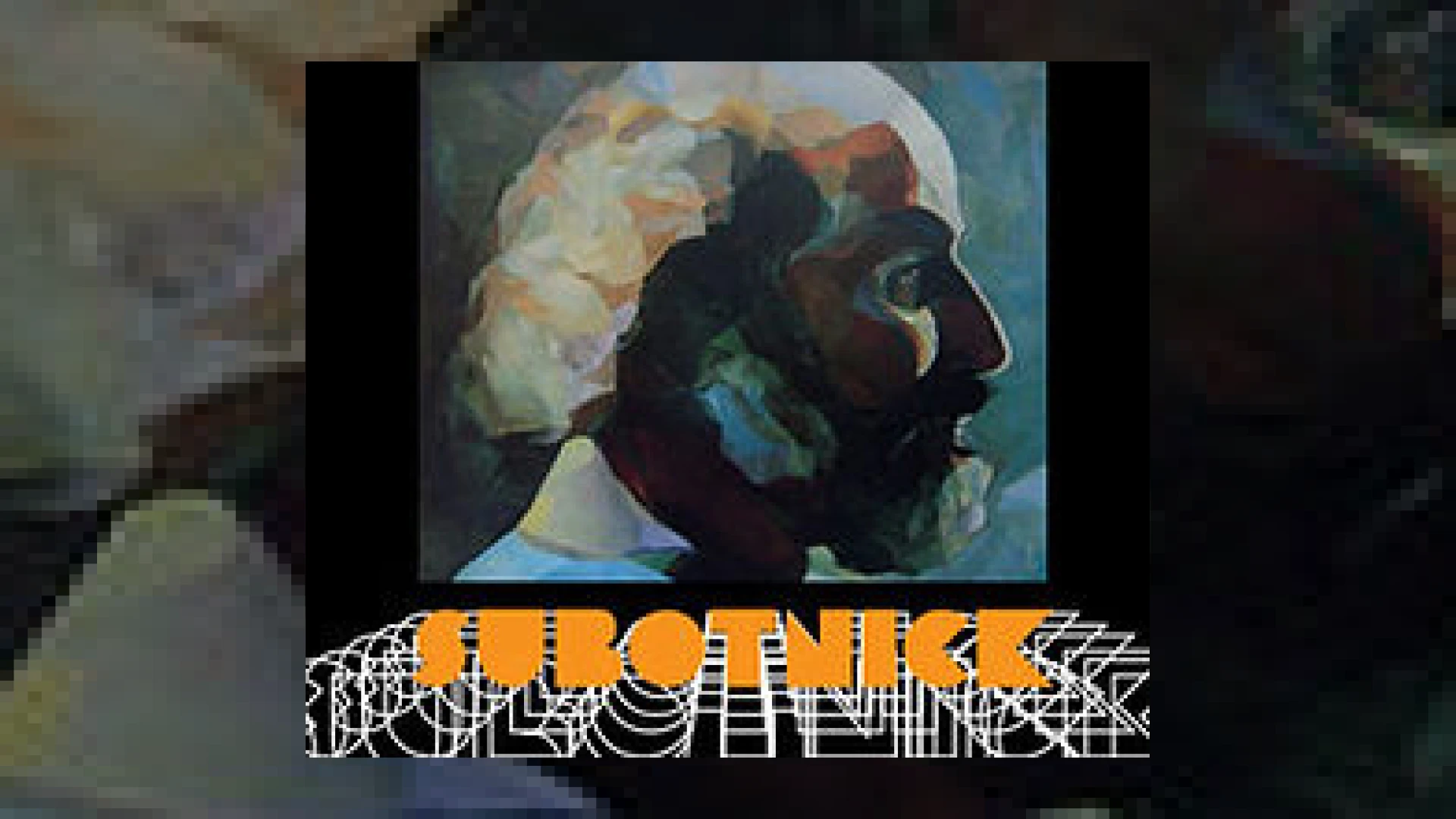
Visual context for Subotnick: Portrait of an Electronic Music Pioneer.
As audio mastering engineers, we are constantly analyzing the evolution of electronic soundscapes and the sonic pioneers who laid the groundwork for today’s music production techniques. With the announcement of Waveshaper Media’s new documentary project, **Subotnick: Portrait of an Electronic Music Pioneer**, we find ourselves reflecting on the immense technological and creative contributions of Morton Subotnick. Best known for his landmark 1967 release *Silver Apples of the Moon*, Subotnick bypassed traditional keyboard-based performance models in favor of the voltage-controlled systems designed by Don Buchla. This distinct approach fundamentally altered the way we perceive synthesis, mastering, and spatialization in modern music.
Understanding Subotnick: Portrait of an Electronic Music Pioneer
The upcoming bio-documentary, **Subotnick: Portrait of an Electronic Music Pioneer**, aims to capture the essence of a composer who challenged the boundaries of acoustic possibility. Produced by the acclaimed filmmakers behind the modular synthesizer documentary *I Dream of Wires*, this project promises a deep dive into Subotnick’s artistic journey through candid interviews, historic footage, and technical insights. By studying his legacy, today’s mixing and mastering engineers can better understand how to shape raw, non-traditional waveforms and manage the dynamic transients of analog electronic music.
For modern engineers, working with modular synthesis presents unique technical challenges. The Buchla-style synthesis portrayed in **Subotnick: Portrait of an Electronic Music Pioneer** showcases how organic, unpredictable voltages can produce immense dynamic range. To successfully master these recordings, engineers must balance the rich, unstable harmonics with precise spectral control. Utilizing analog-modeled processing inside digital audio workstations like Ableton can help bridge the gap between historic West Coast synthesis and contemporary digital delivery standards.
Historical Context and Sound Design Legacy
To fully appreciate why **Subotnick: Portrait of an Electronic Music Pioneer** is such an important film, one must examine the workflow behind *Silver Apples of the Moon*. Commissioned by Nonesuch Records, this work was the first electronic music piece written specifically for the record medium rather than live performance. Subotnick utilized the Buchla 100 synthesizer to construct intricate sequences, frequency-modulated tones, and complex spatial panning patterns.
The raw power of these early electronic recordings reminds us of the delicate balance required during the mastering stage. When mastering vintage or modular-heavy tracks, we focus on preserving the punchy transients of early analog envelopes while using specialized multi-band compression to tame harsh high-frequency resonances. For more technical guides on handling aggressive transients and analog saturation, explore our library of SM Mastering Audio Articles.
Production Specifications and Media Details
The crowdfunded project spearheaded by Waveshaper Media includes not only the documentary film but also limited-edition physical media designed for true audiophiles and electronic music historians. Below is a specification table of the major items associated with this historic release:
| Name | Use | Format / Price | Expert Rating |
|---|---|---|---|
| Subotnick: Portrait of an Electronic Music Pioneer | Feature-length bio-documentary exploring Subotnick’s life and work. | Digital Download / DVD / Blu-Ray (~$20 – $35 USD) | 9.8 / 10 |
| Silver Apples of the Moon (50th Anniversary Repress) | Colored vinyl LP repress of the iconic 1967 masterpiece. | 12″ Vinyl (~$30 USD) | 9.9 / 10 |
| Waveshaper Media Archive Bundle | Collectible bundle including historical interviews and bonus audio material. | Digital Delivery / Physical Box Set (~$50 USD) | 9.5 / 10 |
Practical Studio Workflow Tips Inspired by Subotnick
The experimental principles featured in **Subotnick: Portrait of an Electronic Music Pioneer** provide great inspiration for contemporary studio workflows. Here are three practical ways to integrate West Coast synthesis concepts into your modern mixing and mastering routines:
- Embrace Generative Modulation: Instead of relying on standard MIDI patterns, use complex LFOs, sample-and-hold modules, and function generators to modulate filter cutoffs and waveshapers. This introduces the organic, evolving quality that characterized Subotnick’s early work.
- Manage Wide Stereo Panning: Subotnick was an early adopter of spatial audio. When mixing electronic music, utilize auto-panners and spatial enhancers to move sounds across the stereo field, but monitor in mono regularly to ensure your master doesn’t suffer from phase cancellation.
- Control Dynamic Transients: Analog modular systems produce incredibly fast, unpredictable transients. Use a fast-acting peak limiter or a feedback compressor to catch these peaks before they hit your main stereo bus, keeping your master loud, clean, and punchy.
Conclusion
Morton Subotnick’s contributions to music production, sound design, and synthesizer development continue to ripple through the audio industry today. As we look forward to exploring his history in detail, our anticipation for the release of **Subotnick: Portrait of an Electronic Music Pioneer** remains incredibly high. By looking back at the foundation of modular synthesis, we can discover new, creative ways to elevate our modern digital and hybrid mastering workflows.
Frequently Asked Questions (FAQ)
What is the primary focus of “Subotnick: Portrait of an Electronic Music Pioneer”?
The primary focus of the documentary is to chronicle the life, artistic philosophy, and career of Morton Subotnick. It specifically highlights his role in the development of the Buchla synthesizer and his groundbreaking work in creating electronic music designed specifically for home stereo listening.
How did Morton Subotnick’s music differ from East Coast synthesis?
Unlike East Coast synthesis (championed by Robert Moog), which utilized traditional black-and-white piano keyboards, Subotnick and Don Buchla favored touch-plates, voltage-controlled sequencers, and spatial units. This approach freed the composer from traditional diatonic scales and encouraged a more experimental, sound-sculpting workflow.
Why is “Silver Apples of the Moon” important for audio engineers?
“Silver Apples of the Moon” is historically significant as the first electronic work commissioned by a record label. For audio engineers, it is a masterclass in early analog sequencing, frequency modulation, and dynamic range management, demonstrating how electronic music can carry deep emotional weight without traditional acoustic instruments.
Written by SM Mastering
Official content on sound engineering, mixing, mastering, and advanced electronic production by SM Mastering.