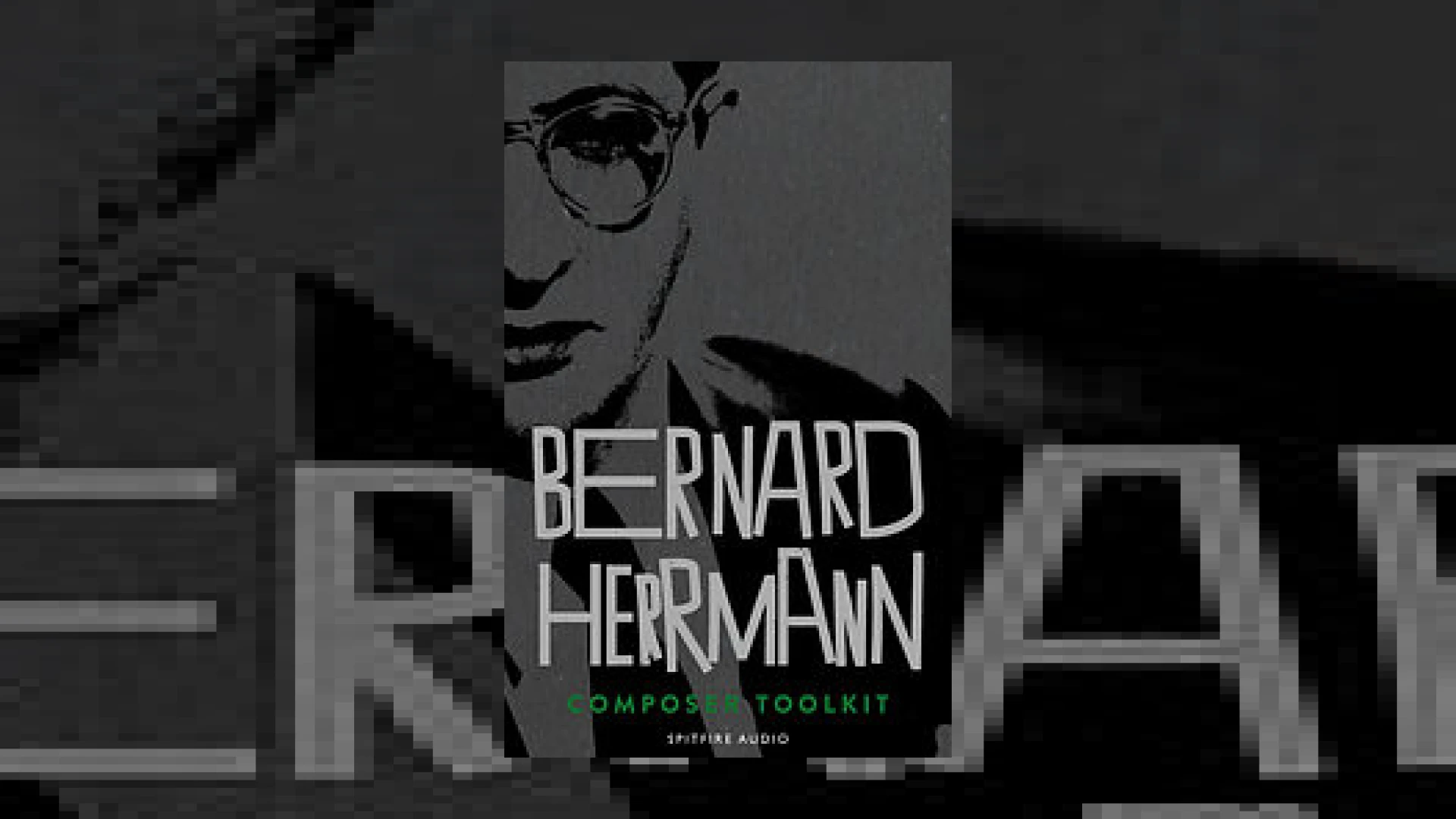
Visual context for Spitfire capture the sound of Bernard Herrmann.
In the world of cinematic scoring, few names carry as much weight and raw emotional power as Bernard Herrmann. Known for his legendary collaborations with Alfred Hitchcock on masterpieces like *Psycho* and *Vertigo*, as well as his iconic work on *Taxi Driver* and *Citizen Kane*, Herrmann revolutionized the way music interacts with the moving image. For modern composers and mixing engineers looking to inject that vintage, dry, and suspenseful aesthetic into their productions, the release of this bespoke library is a monumental milestone. In this deep-dive article, we analyze how virtual instrument pioneers spitfire capture the sound of bernard herrmann and how this unique library can transform your digital audio workstation into a mid-century Hollywood scoring stage.
What makes this library stand out is its departure from the ultra-wet, highly ambient orchestral libraries that have dominated the market for the last decade. Instead, this release is recorded on a drier stage, focusing on intimate, lively, and upfront dynamics. As mixing and mastering experts at SM Mastering Audio Articles, we frequently encounter projects that struggle with muddy low-end and washed-out orchestral arrangements. By utilizing the specific instrumentation and dry acoustics of this toolkit, composers can achieve a level of clarity and punch that is incredibly difficult to replicate with standard ambient libraries.
Decoding the Studio Session: How spitfire capture the sound of bernard herrmann
To truly appreciate this toolkit, one must look at where and how it was recorded. Recorded at the legendary Lyndhurst Hall’s Studio 1 at Air Studios by the renowned engineer Simon Rhodes (whose credits include *Avatar*, *Grand Budapest Hotel*, and *Harry Potter*), the sessions utilized a “dry-stage” setup. This configuration is crucial if you want to understand how spitfire capture the sound of bernard herrmann. Unlike the massive Hall, Studio 1 offers a controlled acoustic space that allows for a tight, upfront sound. This mimics the historical scoring stages of twentieth-century Hollywood, where instruments were close-miked to achieve maximum tension and dialogue-cutting clarity.
The toolkit features unique, curated ensembles that directly reflect Herrmann’s idiosyncratic orchestration choices. Rather than standard symphonic layouts, you get unusual combinations like brass and low woodwinds, harp and celesta, and even rare electronic instruments like the Ondes Martenot. In modern mastering, having access to these distinct frequency footprints is a dream; they occupy very specific bands, leaving ample headroom for other mix elements, which is a technique highly recommended by industry giants like Universal Audio in their analog modeling philosophies.
Technical Specifications
| Specification | Details |
|---|---|
| Name | Bernard Herrmann Composer Toolkit |
| Use | Orchestral scoring, suspense, retro-cinematic sound design |
| Price | £429 / $499 / €509 (Introductory: £339 / $399 / €409) |
| Rating | 4.8 / 5 Stars |
Integrating the Toolkit Into Your Studio Workflow
While the toolkit excels at vintage suspense, its application is surprisingly modern. Whether you are composing for high-tension thrillers or adding organic textures to electronic music, the dry recordings provide unparalleled flexibility. When we evaluate how spitfire capture the sound of bernard herrmann, we must look at how these dry samples respond to external processing.
Because the samples lack excessive room reverb, you can sculpt them using your favorite algorithmic or convolution reverbs without creating a muddy buildup. In the mastering stage, these dry-recorded, dynamic transients stand out beautifully, retaining their impact even under modern bus compression. Indeed, the way spitfire capture the sound of bernard herrmann allows for a level of sound design and post-processing that wet libraries simply cannot sustain.
- Tip 1: Emulate Vintage Mic Positioning. Use the close mic positions in the toolkit to maintain high transient definition, then route them to a mono vintage chamber emulation.
- Tip 2: Creative Layering. Combine the low woodwind and brass patches with analog synthesizers to create modern, hybrid-style suspense cues.
- Tip 3: Dynamic Automation. Herrmann’s scores relied heavily on sudden dynamic shifts. Automate the expression and modulation CC lanes aggressively to get that “boisterous and upfront” performance.
Conclusion
In conclusion, the Bernard Herrmann Composer Toolkit is more than just a nostalgic novelty; it is a powerful, highly versatile sound design tool. The meticulous efforts of spitfire capture the sound of bernard herrmann in a way that respects historical accuracy while providing modern composers with the flexibility needed in today’s fast-paced industry. By focusing on a dry stage and unique instrumental pairings, this library fills a crucial gap in the virtual instrument landscape.
Frequently Asked Questions
Does the Bernard Herrmann Composer Toolkit require the full version of Kontakt?
No, the toolkit works seamlessly with the free Native Instruments Kontakt Player (version 5.5 or higher) as well as the full version of Kontakt.
Why is a dry-stage recording beneficial for mixing?
Dry recordings offer much greater flexibility during the mixing stage. Without pre-baked room reflections, you can apply your own reverbs, spatial imagers, and compression without introducing mud or losing transient punch.
How does the library replicate Bernard Herrmann’s orchestration style?
The developers at spitfire capture the sound of bernard herrmann by working directly with the composer’s estate to record his favorite instrumental combinations, including rare synths, Ondes Martenot, and custom-curated orchestral ensembles.
🛒 Official Product Info & Where to Buy
Check full technical specs, pricing, and purchase options directly from the official manufacturer or authorized dealer for Spitfire capture the sound of Bernard Herrmann.
Written by SM Mastering
Official content on sound engineering, mixing, mastering, and advanced electronic production by SM Mastering.