
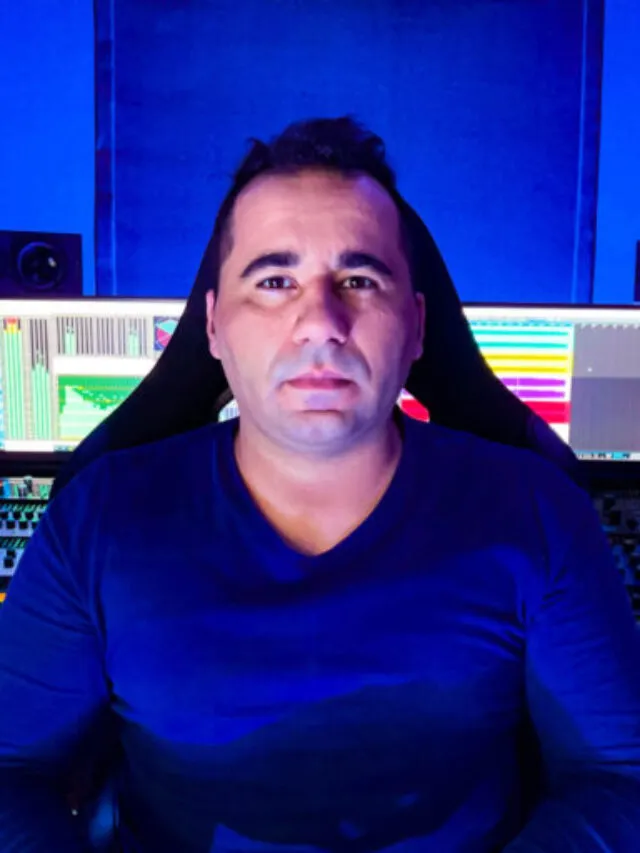
Visual context for Talvin Singh joins line-up for Pro7ect songwriting retreat.
At SM Mastering, we are thrilled to dissect the technical implications of the recent industry announcement: talvin singh joins line-up for pro7ect songwriting retreat. As mastering engineers, we constantly observe how the initial stages of tracking and collaborative production shape the final stereo master. When an artist of Talvin Singh’s caliber enters a highly focused, pop-up studio environment, it presents a fascinating study in dynamic range management, acoustic challenges, and premium analog-to-digital conversion workflows.
With the confirmation that talvin singh joins line-up for pro7ect songwriting retreat, modern electronic music production meets traditional acoustic mastery. Singh, globally recognized as the father of modern Asian music, won the Mercury Music Prize in 1999 for his seminal album OK. His unique approach integrates the complex, transient-heavy dynamics of the Tabla with deep, sub-bass-heavy drum and bass patterns. Capturing these extreme frequency spectrums in a temporary hotel studio setup requires not only immense musical intuition but also a pristine technical signal chain.
How the Talvin Singh Joins Line-up for Pro7ect Songwriting Retreat Inspires Studio Excellence
As talvin singh joins line-up for pro7ect songwriting retreat, attendees will gain firsthand knowledge on tracking complex percussion instruments like the Tabla. From a technical engineering perspective, recording acoustic percussion alongside modern synthesizer setups requires precise microphone placement and transient preservation. Utilizing high-end digital audio interfaces, such as those provided by Prism Sound for the retreat’s pop-up setups, ensures that fast-moving transients are captured without digital clipping or unwanted harmonic distortion. This level of tracking accuracy makes a significant difference during the mastering phase, where clean transients translate into a louder, punchier master.
For many emerging artists, learning that talvin singh joins line-up for pro7ect songwriting retreat represents a golden opportunity to study analog-to-digital conversion workflows. In collaborative environments like the Hotel Pelirocco in Brighton, songwriters often rely on software like Ableton to quickly lay down arrangements. However, the integration of Singh’s preferred Prism Sound converters ensures that the translation from the analog acoustic realm to the digital domain remains uncompromised. This technical synergy allows for seamless processing later in the production cycle.
Ultimately, when talvin singh joins line-up for pro7ect songwriting retreat, it shifts the focus back to high-fidelity, collaborative sonic experimentation. Alongside other industry heavyweights like two-time Ivor Novello winner Iain Archer, the retreat provides an ideal testing ground for cross-genre production. When these diverse elements are mixed down with proper headroom, the resulting premixes require minimal corrective equalization during professional mastering, allowing us to focus entirely on enhancing depth, width, and commercial loudness. To learn more about optimizing your mixdown before sending it to a mastering house, feel free to explore our collection of SM Mastering Audio Articles.
Key Equipment & Production Elements at Pro7ect
The success of a pop-up songwriting retreat relies heavily on the quality of portable studio gear. Below is an overview of the key equipment and elements featured during these collaborative sessions:
| Name | Use | Price (Est. USD) | Rating |
|---|---|---|---|
| Prism Sound Lyra 2 | Reference AD/DA Converter & Interface | $2,499 | 4.9/5 |
| Ableton Live Suite | Creative DAW & Sequencing Software | $749 | 4.8/5 |
| Neumann U87 Ai | Vocal & Percussion Tracking Condenser Mic | $3,695 | 4.9/5 |
| Traditional Tabla Set | Acoustic Percussion / Fusion Element | Varies | 4.7/5 |
Practical Studio Workflow Tips for Collaborative Retreats
Whether you are participating in a major event like Pro7ect or setting up a temporary tracking session with other producers, managing your workflow is vital. Here are some technical tips from our mastering team to keep your sessions productive and master-ready:
- Manage Transient Peaks: Fast acoustic transients from instruments like the Tabla can easily overload digital converters. Always leave at least 6dB to 10dB of headroom on your input channels to avoid hard digital clipping.
- Acoustic Isolation in Pop-Up Spaces: Hotel rooms and temporary studios rarely feature perfect acoustic treatment. Use close-mic techniques, directional polar patterns (like supercardioid), and portable reflection filters to minimize room reflections.
- Keep Stems Organized: When working with multiple guest producers, bouncing clean, consolidate-from-zero stems is essential. This saves hours during the mixdown and mastering stages.
Conclusion
The inclusion of Talvin Singh in the Pro7ect 2018 line-up highlights a growing trend in music production: the merging of traditional acoustic artistry with cutting-edge digital recording workflows. By prioritizing high-end conversion and collaborative synergy, events like Pro7ect bridge the gap between initial inspiration and professional, release-ready masters. Ensuring that your tracking stage is handled with the same care as your mixing and mastering stages is the ultimate key to sonic success.
Frequently Asked Questions
What makes Talvin Singh’s production style unique?
Talvin Singh is renowned for fusing classical Indian music, particularly his master-level Tabla playing, with modern western electronic genres like drum and bass and ambient. This style requires a deep understanding of complex rhythmic structures and high-fidelity transient capture.
Why are Prism Sound converters highly regarded in pop-up studios?
Prism Sound converters are legendary for their transparent AD/DA conversion, low noise floor, and clocking precision. In pop-up or temporary studio environments, they guarantee that the recorded signals retain their natural depth and clarity without coloration.
How does dynamic headroom during tracking benefit the mastering stage?
Maintaining adequate headroom (ideally preserving peak levels around -6dBFS) prevents digital clipping and distortion. This allows mastering engineers to utilize analog outboard gear and precision limiters to achieve maximum clarity and competitive loudness without sacrificing the mix’s natural punch.
Written by SM Mastering
Official content on sound engineering, mixing, mastering, and advanced electronic production by SM Mastering.