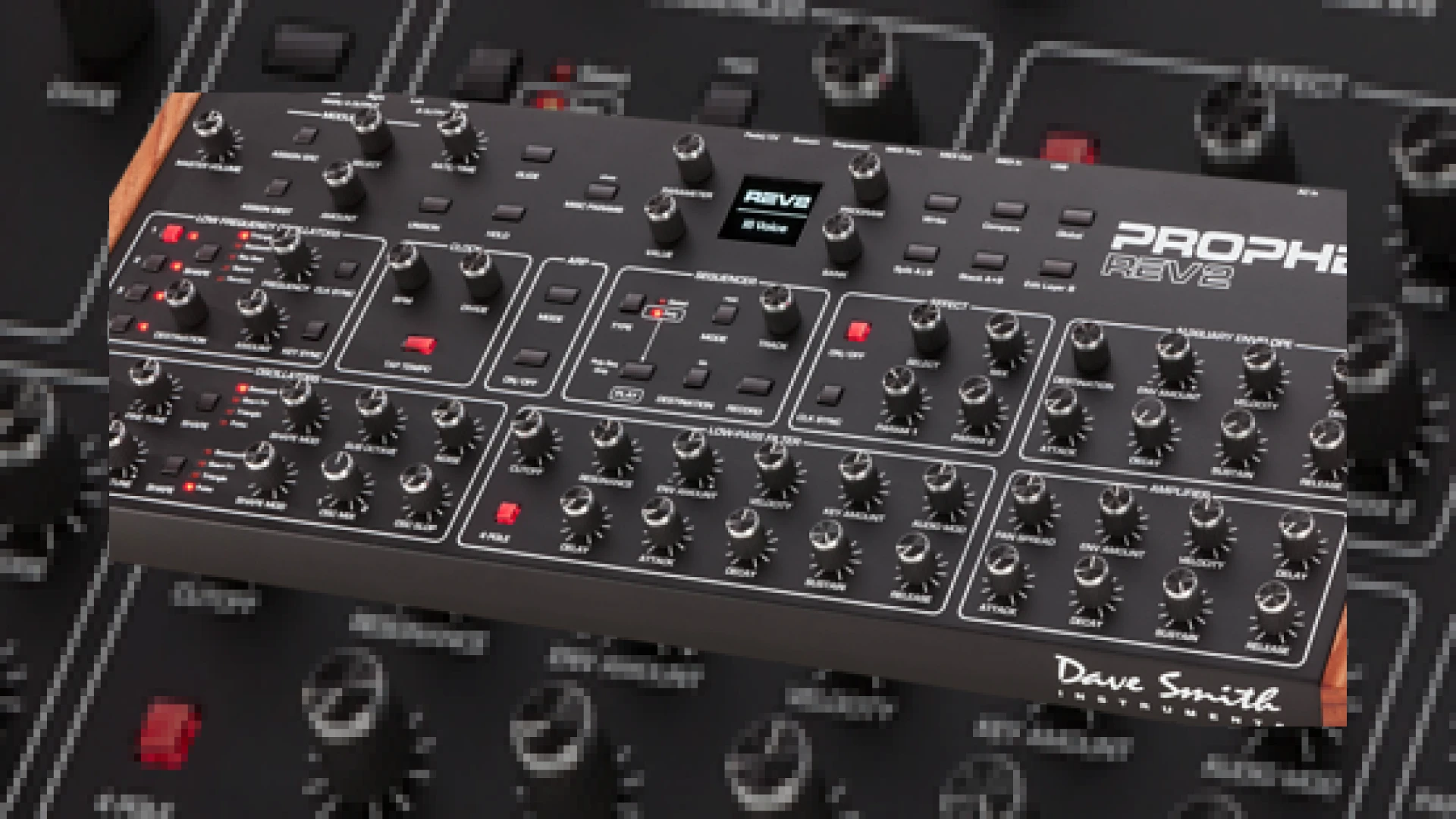
Visual context for Dave Smith unveils Prophet Rev2 desktop module.
The synthesizer community is buzzing with excitement as **Dave Smith unveils Prophet Rev2 desktop module**, a compact powerhouse that packs the immense sonic architecture of the acclaimed keyboard version into a space-saving desktop format. For modern producers, sound designers, and mastering engineers alike, this release represents a monumental shift in how high-voice-count analog synthesis is integrated into the studio environment. By stripping away the keybed while preserving every ounce of the internal synthesis engine, this desktop module provides premium analog warmth without dominating valuable real estate on your studio desk.
Technical Breakdown: Dave Smith Unveils Prophet Rev2 Desktop Module
When Dave Smith unveils Prophet Rev2 desktop module, the music production industry gains immediate access to a legendary signal path. The unit features two digitally controlled analog oscillators (DCOs) per voice, a sub-octave generator, and the highly coveted 2/4-pole low-pass, resonant Curtis filter per voice. These Curtis filters are the sonic bedrock of many iconic 1970s and 1980s synthesizers. At SM Mastering, we highly appreciate how these filters retain low-end clarity even during high-resonance sweeps, making it much easier to integrate into a dense master.
A standout feature of this updated architecture is waveshape modulation across all four waveshapes (sawtooth, triangle, sawtooth+triangle, and pulse). Instead of being restricted to standard pulse-width modulation, users can now modulate the width of any waveform using an LFO or other modulation sources. As we analyze why Dave Smith unveils Prophet Rev2 desktop module at this juncture, it is clear that sound designers demand deeper modulation routings without sacrificing the tactile immediacy of hardware. This level of timbral movement is crucial for creating rich, evolving pads that require minimal corrective equalization during post-production.
With a compact footprint, the desktop module is designed to fit seamlessly into any modern studio desk setup, right alongside premium outboard gear and audio interfaces from industry leaders like Universal Audio. By omitting the keyboard, Dave Smith Instruments allows artists to leverage their existing master controllers via MIDI or USB. We often discuss the benefits of streamlined setups in our SM Mastering Audio Articles. Indeed, when Dave Smith unveils Prophet Rev2 desktop module, it offers the perfect balance of pure analog warmth and space efficiency for project and commercial studios alike.
Prophet Rev2 Desktop Module Specifications
| Name | Use | Price | Rating |
|---|---|---|---|
| Prophet Rev2 Desktop Module (8-Voice) | Analog Sound Design & Studio Production | $1,499 USD | 4.8 / 5.0 |
| Prophet Rev2 Desktop Module (16-Voice) | Advanced Polyphonic Layering & Soundscapes | $1,899 USD | 4.9 / 5.0 |
Practical Studio Workflow Tips
- Utilize the Auxiliary Outputs: The Rev2 features dual stereo outputs (A and B). Use these to route your layers or splits to separate preamps. This allows you to apply different analog processing or compression curves to each layer before hitting your DAW.
- Leverage Waveshape Modulation: Instead of piling on digital chorus plugins later, use the onboard waveshape modulation driven by a slow LFO. This adds organic, microscopic pitch and phase shifts that make the analog signal sound wide and deep naturally.
- Keep the Gain Staging Safe: Analog synthesizers can output incredibly hot transients, especially when the Curtis filter resonance is cranked. Keep your output levels on the hardware around 12 o’clock and use clean preamp gain to print to your DAW, ensuring you preserve dynamic headroom for mastering.
Mastering Considerations for Prophet Rev2 Tracks
When Dave Smith unveils Prophet Rev2 desktop module, it highlights the importance of managing rich, polyphonic analog frequencies during the mastering stage. Because the Rev2 can produce up to 16 voices of stacked analog goodness, tracking can quickly clutter the lower-mid frequencies if not managed properly. We recommend high-passing non-bass patches and using subtle stereo widening to let the Curtis filters shine without muddying the center of your mix. Keeping an eye on these dynamic low-mids ensures that the warmth of the synth translates beautifully across all playback systems.
Conclusion
The Prophet Rev2 desktop module is a stellar addition to the Dave Smith Instruments legacy. It offers musicians, sound designers, and mixing engineers the pristine, uncompromising sound of a modern classic analog synthesizer in a compact, durable, and highly accessible desktop chassis. Whether you are aiming to recreate retro soundtrack vibes or craft state-of-the-art modern electronic textures, this module delivers immense sonic flexibility and hardware reliability.
Frequently Asked Questions
Can I upgrade the 8-voice version of the Prophet Rev2 desktop module to 16 voices?
Yes. Dave Smith Instruments offers an official Expander Card kit that allows users to easily upgrade their 8-voice Prophet Rev2 module to a full 16-voice configuration without needing specialized technical tools.
What makes the Curtis filter on the Prophet Rev2 unique?
The Curtis filter is a legendary low-pass filter design known for its presence in classic 70s and 80s synths. It provides a highly distinct, punchy, and resonant tone that can toggle between 2-pole and 4-pole slopes, offering classic analog grit and warmth.
Does the desktop module feature the same modulation matrix as the keyboard version?
Absolutely. The Prophet Rev2 desktop module retains the exact same extensive modulation matrix, digital effects engine, and dual step sequencers as its keyboard counterpart, ensuring zero compromise on sound design capabilities.
🛒 Official Product Info & Where to Buy
Check full technical specs, pricing, and purchase options directly from the official manufacturer or authorized dealer for Dave Smith unveils Prophet Rev2 desktop module.
Written by SM Mastering
Official content on sound engineering, mixing, mastering, and advanced electronic production by SM Mastering.