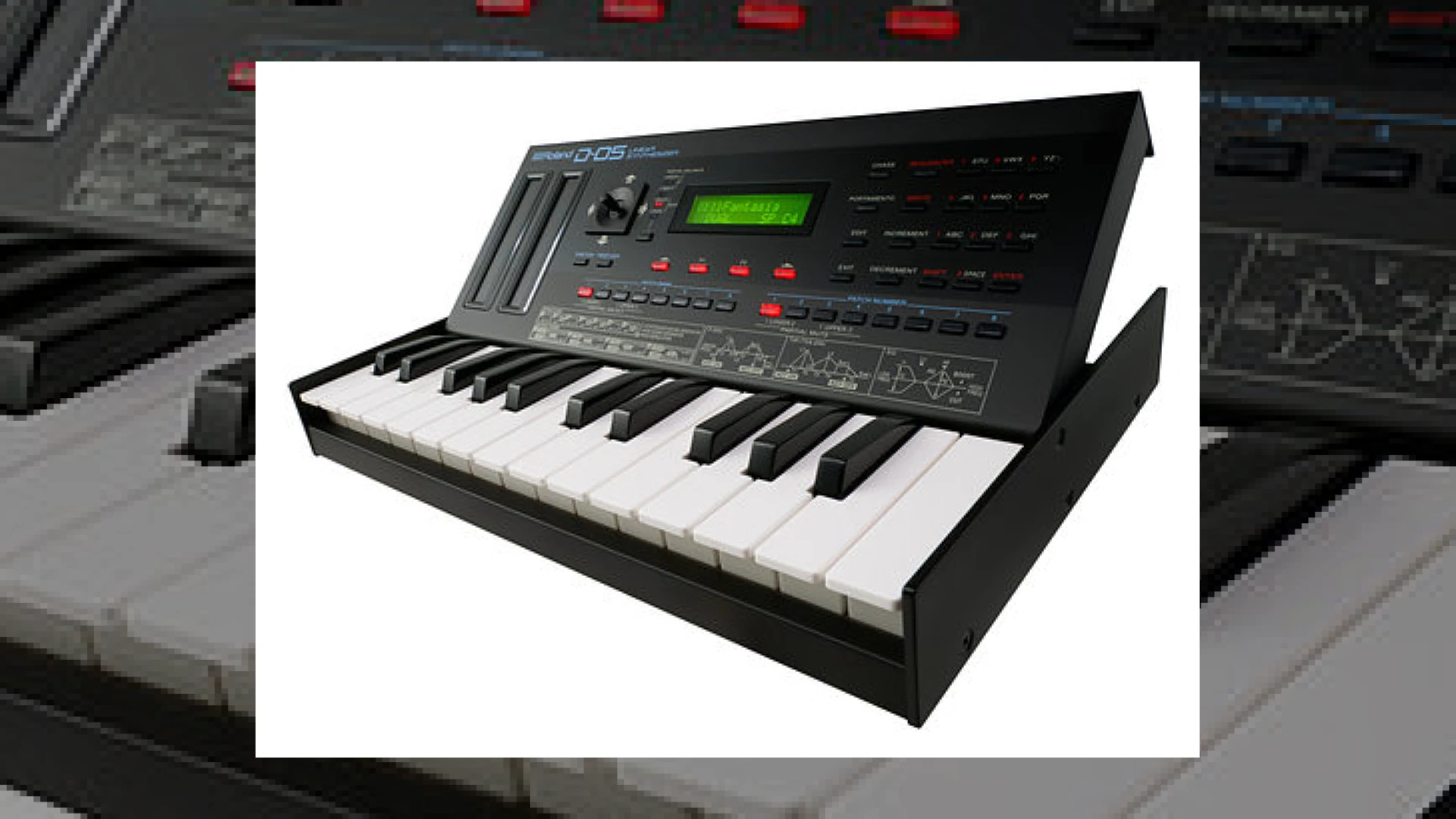
Visual context for Roland reveal D-05 Linear Synthesizer.
When retro digital synthesis meets modern compact engineering, the results are often spectacular. The synthesizer community celebrated globally when the news of the roland reveal d-05 linear synthesizer first broke. Representing a faithful rebirth of the iconic 1987 Roland D-50, this compact Boutique-series module brings back the legendary Linear Arithmetic (LA) synthesis engine that defined the sound of late-80s pop, cinematic soundtracks, and electronic new-wave. From Michael Jackson’s “Man in the Mirror” to the sweeping textures of Jean-Michel Jarre and Enya, the D-50’s character is deeply woven into the fabric of modern music history.
Our engineers love working with tracks utilizing this hardware. When you let the roland reveal d-05 linear synthesizer drive your lead melodies and ambient pads, you introduce a distinct harmonic texture that stands out in a dense mix. Unlike purely analog subtractive synthesizers, this hybrid digital system pairs short, sampled transient attacks with synthesized loop waveforms, offering a punchy, upfront quality that sits beautifully in modern mastering chains.
Unlocking the Power of the Roland Reveal D-05 Linear Synthesizer
To truly understand how this compact powerhouse behaves in a professional production environment, we must examine its architectural design. A primary reason why the roland reveal d-05 linear synthesizer utilizes Digital Circuit Behavior (DCB) instead of Roland’s analog-focused ACB (Analog Circuit Behavior) is authenticity. Because the original D-50 was an all-digital synthesizer, DCB perfectly models the exact digital processes, DAC characteristics, and processing bottlenecks of the late-80s hardware, replicating the grit, warmth, and iconic digital artifacts precisely.
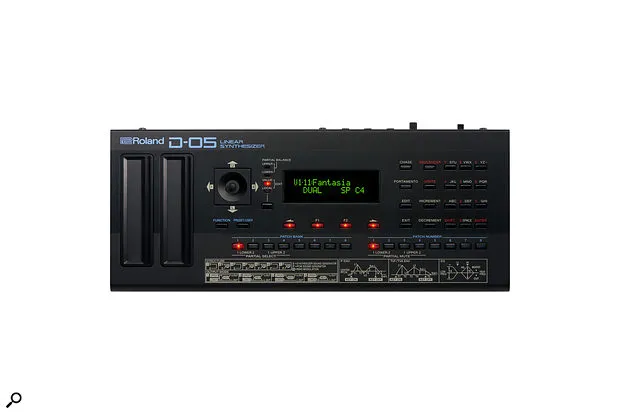
Additional product view and interface angle for Roland reveal D-05 Linear Synthesizer.
For artists looking to pair these pristine digital soundscapes with analog warmth, running the output through hardware emulation tools from industry giants like Universal Audio can add beautiful harmonic depth. This hybrid approach bridges the gap between classic digital grit and modern analog high-end sheen.
| Product Name | Primary Use | Est. Price | Expert Rating |
|---|---|---|---|
| Roland D-05 | Linear Arithmetic Sound Module & Sequencer | $349 (Street/Used) | 4.8 / 5.0 |
The step sequencer and onboard effects in the roland reveal d-05 linear synthesizer provide creative tools that were completely absent on the original instrument. Musicians can program intricate 64-step polyphonic sequences, manipulate tempo, gate time, and shuffle on the fly, and assign active steps to build complex polyrhythmic movements. This makes the synth far more than a mere preset box; it is an active performance instrument.
Practical Studio Workflow Tips for the D-05
Working with early digital synthesis engines requires a slightly different approach during both the mixing and mastering stages. Here are a few practical tips to maximize your studio workflow:
- Embrace the Noise: The original D-50 possessed a vintage digital noise floor due to its early 16-bit converters. The D-05 replicates this faithfully. Rather than using aggressive noise gates, let that character sit in the mix to add a cohesive “glue” to your instrumental tracks.
- Utilize the Joystick: The physical joystick on the Boutique panel allows real-time morphing between the upper and lower tones. Record your joystick movements as MIDI CC automation in your DAW to generate evolving, organic transitions.
- EQing the High-Mid Transient Spikes: The PCM attack samples can occasionally create sharp digital transients. Use dynamic EQs or fast-acting multi-band compressors to tame harsh frequencies between 2 kHz and 4 kHz before sending your pre-masters to a mastering house.
If you are interested in more in-depth reviews, mixing advice, and production guides, check out our collection of SM Mastering Audio Articles.
Conclusion
Ultimately, mastering tracks composed with the roland reveal d-05 linear synthesizer requires a delicate balance of preserving vintage digital charm while ensuring compatibility with modern, ultra-wide playback systems. The D-05 succeeds in capturing the exact essence of its predecessor while fitting neatly into any modern producer’s mobile rig or home studio desk. It is a brilliant testament to how classic synthesis can be elegantly adapted for the modern era.
Frequently Asked Questions
Is the Roland D-05 a true digital recreation of the D-50?
Yes. The D-05 uses Digital Circuit Behavior (DCB) to replicate every aspect of the original D-50’s digital signal path, including the exact PCM sample attacks, loop waveforms, and built-in effects processors like chorus and reverb.
Can I import original Roland D-50 SysEx patches into the D-05?
Absolutely. The Roland D-05 is fully compatible with original D-50 System Exclusive (SysEx) data. You can easily transfer classic sound banks and custom patches from the 1980s directly into the D-05 module via USB or standard MIDI connections.
What is Linear Arithmetic (LA) synthesis?
Linear Arithmetic synthesis is a hybrid digital synthesis method developed by Roland. It combines short, highly detailed sampled transients (the attack phase of a sound) with simple, synthesized sustaining digital waveforms (such as saw or square waves) to create realistic, complex, and highly expressive acoustic and synthetic timbres.
🛒 Official Product Info & Where to Buy
Check full technical specs, pricing, and purchase options directly from the official manufacturer or authorized dealer for Roland reveal D-05 Linear Synthesizer.

Written by SM Mastering
Official content on sound engineering, mixing, mastering, and advanced electronic production by SM Mastering.