At SM Mastering, we are always on the lookout for revolutionary studio technology that refines the tracking and mixing process. During the legendary AES convention, Antelope Audio made a massive splash by introducing their custom ecosystem, which we explore in detail in this guide on the aes 2017: antelope discrete microphone system (video). By combining ultra-linear, discrete microphone preamps with cutting-edge modeling microphones, the bundle aims to bring the sound of legendary vintage capsules and classic preamps directly to your DAW without the astronomical price tag of vintage hardware.
Deep Dive into the aes 2017: antelope discrete microphone system (video)
When we look closely at the hardware, the aes 2017: antelope discrete microphone system (video) represents a paradigm shift in how budget-conscious and high-end studios approach acoustic capturing. The bundle marries physical precision with digital adaptability, positioning itself to compete directly with industry giants like Universal Audio who have pioneered analog modeling workflows. At the heart of the system are the Discrete 8 and Discrete 4 audio interfaces, designed with fully discrete transistor preamps that boast exceptional noise performance and absolute transparency. This clean slate is critical for the Accusonic modeling engine to accurately apply its acoustic profiles.
To complement these pristine preamps, Antelope developed two proprietary condenser microphones: the Edge and the Verge. The Edge is a large-diaphragm, multi-pattern condenser mic specifically engineered to emulate some of the world’s most sought-after vintage vocal microphones. The Verge, on the other hand, is a small-diaphragm condenser designed for high-SPL instruments, transient accuracy, and modeling classic small-diaphragm capsules. Because the modeling happens inside Antelope’s onboard FPGA (Field Programmable Gate Array) chips, latency is virtually non-existent, letting vocalists monitor the modeled tone in real time during tracking.
For engineers wanting to understand how tracking through modeled preamps affects final masters, our experts at the SM Mastering Audio Articles have documented several shootouts. Utilizing the technology highlighted in the aes 2017: antelope discrete microphone system (video) allows for a remarkably transparent source capture that translates beautifully during the mastering stage. The ability to swap microphone models long after the performer has left the studio gives mixing and mastering engineers an unprecedented level of control over the frequency balance and harmonic saturation of the source material.
Specifications & System Comparison
The system is flexible, offering options for both project studios and large tracking spaces. Below is a breakdown of the primary components available within this hardware ecosystem:
| Name | Use | Estimated Price | Rating |
|---|---|---|---|
| Discrete 8 Interface | Multi-channel rackmount tracking with 8 discrete preamps, FPGA FX | $1,299 | 4.7/5 |
| Discrete 4 Interface | Desktop interface with 4 discrete preamps, 4 headphone outs | $899 | 4.5/5 |
| Edge Large-Diaphragm Mic | Multi-pattern vocal and instrument modeling capsule | $799 | 4.8/5 |
| Verge Small-Diaphragm Mic | High-SPL instrument modeling capsule (ideal for acoustic guitar, drums) | $149 | 4.4/5 |
Practical Studio Workflow Tips
When setting up the aes 2017: antelope discrete microphone system (video) in your live room, we recommend following these expert practices to maximize the accuracy of your mic emulations:
- Optimize Your Gain Staging: Because the Accusonic modeling depends on specific input impedance matching, use the dedicated Antelope Control Panel software to adjust your preamp gain rather than external analog gain stages. This ensures the digital emulations behave exactly like the hardware units they model.
- Track Dry, Monitor Wet: Take advantage of the ultra-low latency FPGA chip. Allow the vocalist to perform with the vintage mic model active in their headphones to inspire their performance, but record the completely dry signal to your DAW. This keeps your options open during mixing.
- Experiment Post-Recording: Do not hesitate to swap mic models during the mix phase. If a vocal feels too muddy in the context of a dense rock mix, changing the model from a vintage tube emulation to a modern dynamic or transformerless condenser model can instantly clean up the low-mids without aggressive EQ.
Conclusion
The technology introduced in the Antelope ecosystem demonstrates how far digital modeling has come. By combining world-class conversion, pristine discrete preamps, and advanced FPGA DSP, engineers are no longer locked into the decisions they make during the tracking phase. This flexibility simplifies the transition from recording to mastering, ensuring a clean, rich, and highly customizable sonic footprint.
Frequently Asked Questions
Can I use the Edge and Verge microphones with other audio interfaces?
Yes, you can use these microphones with any standard audio interface. However, the exact Accusonic modeling curves are optimized specifically for the input impedance and frequency response of the Antelope Discrete preamps. To get the most accurate emulations, using them as an integrated system is highly recommended.
What is the benefit of FPGA FX over traditional native plugins?
FPGA (Field Programmable Gate Array) effects process audio on the interface’s hardware chip itself with near-zero latency. This allows you to track and monitor through complex compressor, EQ, and mic emulations in real time without taxing your computer’s CPU or experiencing disruptive audio delay.
Can I change the polar patterns of the microphone after recording?
Yes. If you record the dual-membrane signal from the Edge microphone onto a stereo track in your DAW, Antelope’s native control plugin allows you to adjust the polar patterns, proximity effect, and microphone models completely non-destructively during your mixing phase.
🛒 Official Product Info & Where to Buy
Check full technical specs, pricing, and purchase options directly from the official manufacturer or authorized dealer for AES 2017: Antelope Discrete Microphone System (Video).
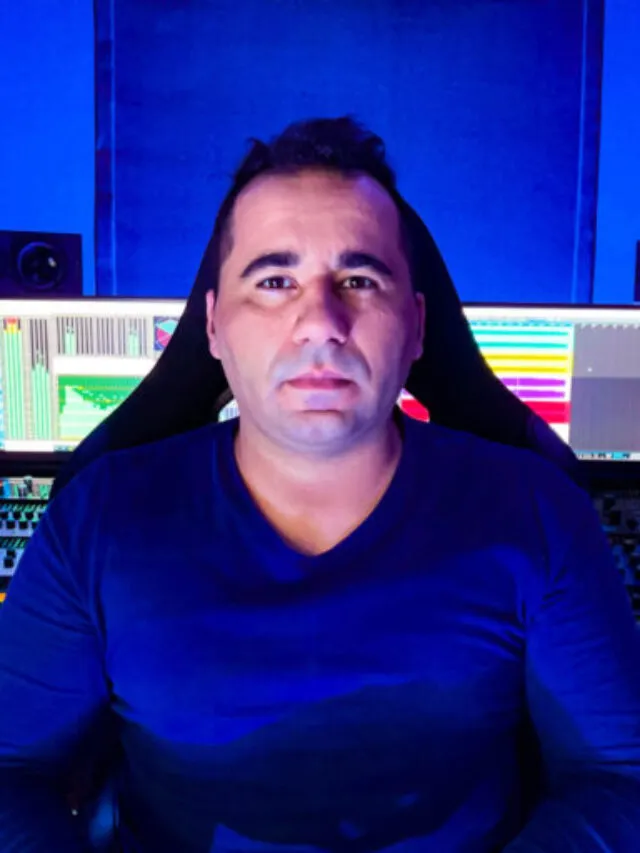
Written by SM Mastering
Official content on sound engineering, mixing, mastering, and advanced electronic production by SM Mastering.