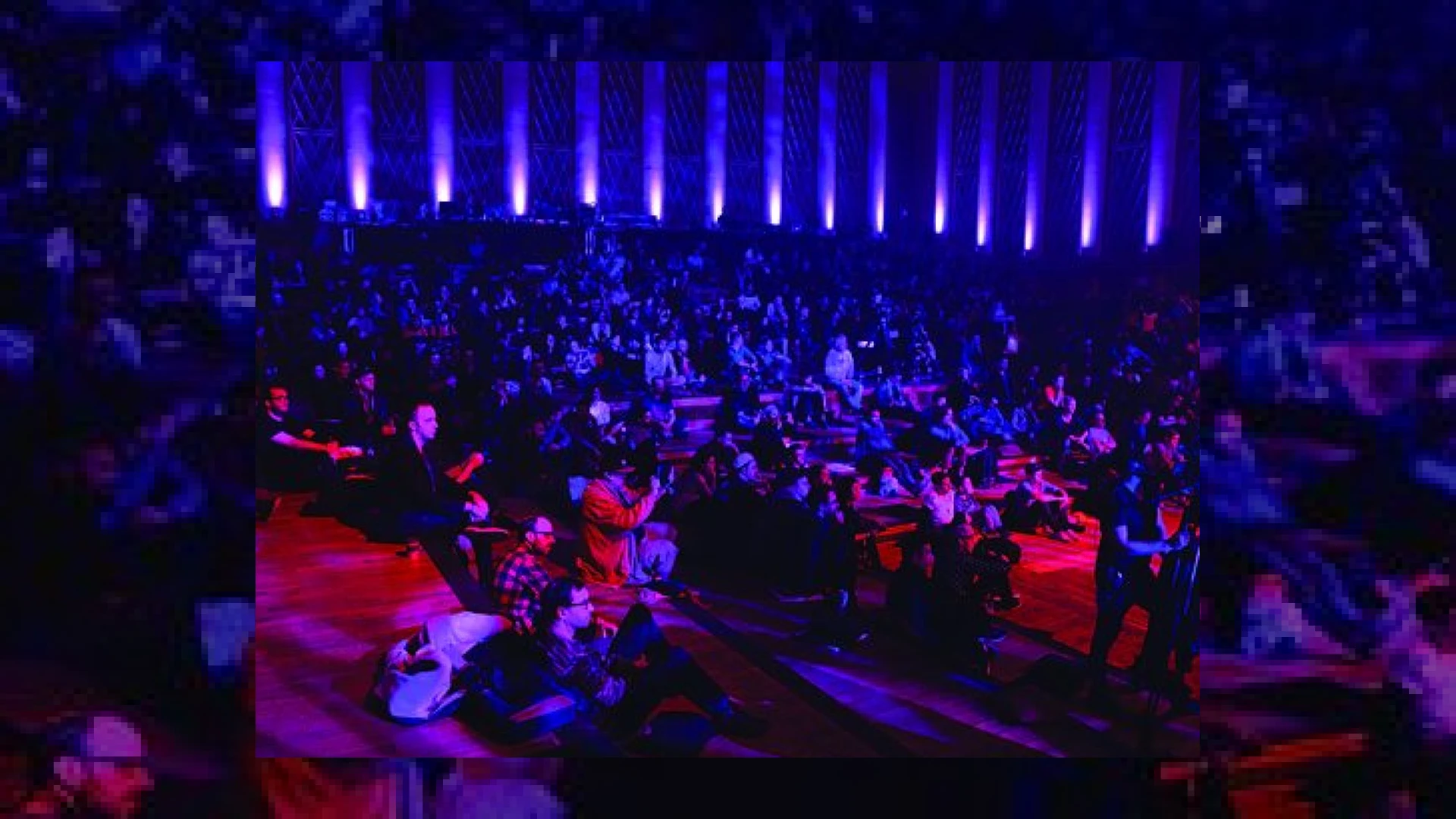
Visual context for Loop 2017 round-up.
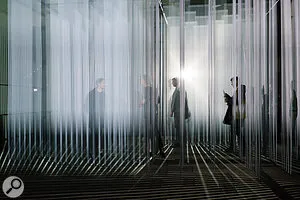
At SM Mastering, we constantly analyze how live synthesis, cutting-edge software integrations, and acoustic environments shape the future of music production. In this retrospective analysis, we present our detailed loop 2017 round-up, dissecting the game-changing concepts, techniques, and technological developments unveiled at Ableton’s premier global summit. Hosted at the historic Funkhaus in Berlin—the former broadcasting headquarters of the GDR state radio—the event served as an incredible convergence of acoustic history and futuristic sound design. For mastering engineers and electronic music producers alike, the principles discussed during these three intensive days continue to influence modern studio dynamics and spatial audio strategies.
The synergy between historical architecture and modern digital signal processing was palpable throughout the venue. By bringing together legendary industry figures, researchers, and experimental instrument builders, the summit provided a playground for advanced sonic experimentation. As we dive into this loop 2017 round-up, we will explore how spatial audio setups, artificial intelligence, and classical mastering methodologies are shaping the current landscape of commercial music production.
Key Technical Takeaways from the Loop 2017 Round-up
One of the most profound aspects of the summit was the integration of multi-dimensional monitoring setups. The showcase of Dolby Atmos systems, particularly in drum ‘n’ bass production presented by producer Metrik, highlighted a massive paradigm shift in how we approach the stereo field. In traditional stereo mastering, we manage the compromises of phase, headroom, and frequency masking within a two-channel space. The transition to object-based audio mixing allows producers to position transient-heavy elements like drums in a three-dimensional space, preserving maximum dynamic range and transient clarity. Which makes this loop 2017 round-up an essential study for anyone looking to transition from traditional stereo fields into spatial audio mastering.
Additional product view and interface angle for Loop 2017 round-up.
Furthermore, the event delved deep into the intersection of cognitive science, therapeutic sound, and artificial intelligence in music creation. From workshops exploring brainwave stimulation to sessions led by Nick Collins on AI-driven musical analysis, the technical boundaries of what defines a “DAW” or an “instrument” were thoroughly challenged. For those aiming to keep up with these rapidly changing mastering and production methodologies, keeping an eye on our latest industry insights at SM Mastering Audio Articles is highly recommended.
Key Presentations and Showcased Technologies
To help you understand the practical value of the tools and workflows highlighted during the summit, we have compiled a specifications table of the standout concepts and tools discussed by industry leaders at the event.
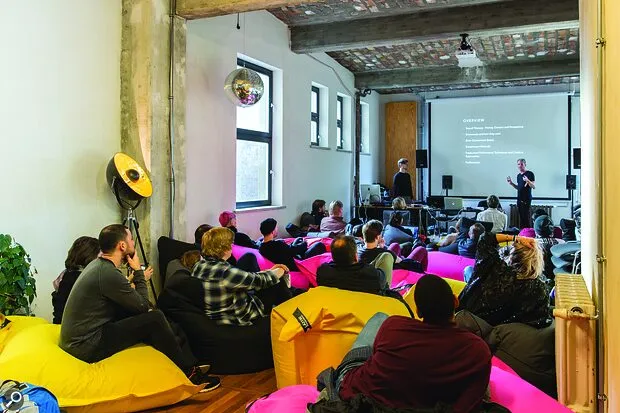
Additional product view and interface angle for Loop 2017 round-up.
| Name | Use | Price | Rating |
|---|---|---|---|
| Dolby Atmos Mixing Workflow | Immersive three-dimensional audio panning and production | Subscription / Hardware Dependent | 4.8 / 5.0 |
| AI Composition & Analysis Tools | Generative MIDI and algorithmic audio analysis systems | Open Source / Varied | 4.3 / 5.0 |
| Analog Masterclass (Mandy Parnell) | High-end stereo bus processing and dynamic control | N/A (Lecture-based) | 4.9 / 5.0 |
| Ableton Link Ecosystem | Multi-device tempo synchronization over local networks | Free (Built-in via Ableton) | 4.7 / 5.0 |
As noted in our loop 2017 round-up, the inclusion of masterclasses from legends like mastering engineer Mandy Parnell and producer Susan Rogers provided the necessary analytical balance to the highly digital, AI-focused presentations. Parnell’s insights reinforced the importance of critical listening, high-headroom analog signal chains, and emotional intent—elements that automated mastering algorithms still struggle to replicate.
Practical Studio Workflow Tips
- Embrace Hybrid Generative Workflows: Implement machine learning utilities or advanced MIDI generative tools to break creative blocks. Use these tools to generate complex polyrhythms, then manually refine them to maintain human groove and dynamic variation.
- Optimize Your Monitoring Environment for Spatial Audio: Even if you mix primarily in stereo, analyze your tracks using spatialization plugins. Understanding how your phase correlation behaves when folded down from multi-channel setups is vital for modern streaming distribution.
- Incorporate Active Listening Exercises: As emphasized by sound designers at the summit, spend 10 minutes before every session listening to reference material in absolute silence, identifying the exact spatial placement of each element in the mix.
Conclusion
Ultimately, our definitive loop 2017 round-up demonstrates that the future of music production relies on a delicate balance between technological innovation and human emotional intuition. From the physical warmth of historical recording spaces like Funkhaus to the cold, calculated precision of neural networks, successful audio engineering requires mastering both worlds. By applying these legacy concepts to your modern digital audio workstation, you can ensure your productions stand out with clarity, depth, and competitive loudness.
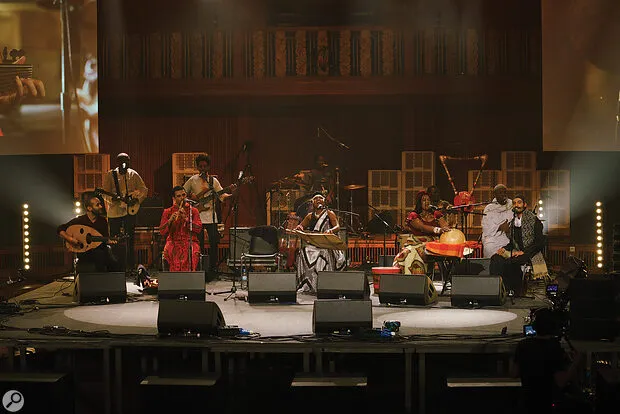
Additional product view and interface angle for Loop 2017 round-up.
Frequently Asked Questions
What was the main focus of the Loop 2017 event in Berlin?
Loop 2017 was a summit organized by Ableton for music creators, focusing on the future of music production, sound design, spatial audio setups, and the integration of artificial intelligence and machine learning in creative workflows.
How does spatial audio like Dolby Atmos affect the mastering process?
Spatial audio transitions the mastering focus from managing a congested two-channel stereo field to managing object-based metadata in a three-dimensional environment. This allows for wider dynamic ranges, better transient response, and less aggressive frequency masking.
Additional product view and interface angle for Loop 2017 round-up.
Why are historical venues like Funkhaus Berlin chosen for audio summits?
Funkhaus Berlin offers unique acoustic characteristics and a historical legacy of radio broadcasting. Its custom-designed recording halls provide an ideal environment for testing live sound diffusion, spatial acoustics, and high-fidelity sound reproduction.
Written by SM Mastering
Official content on sound engineering, mixing, mastering, and advanced electronic production by SM Mastering.