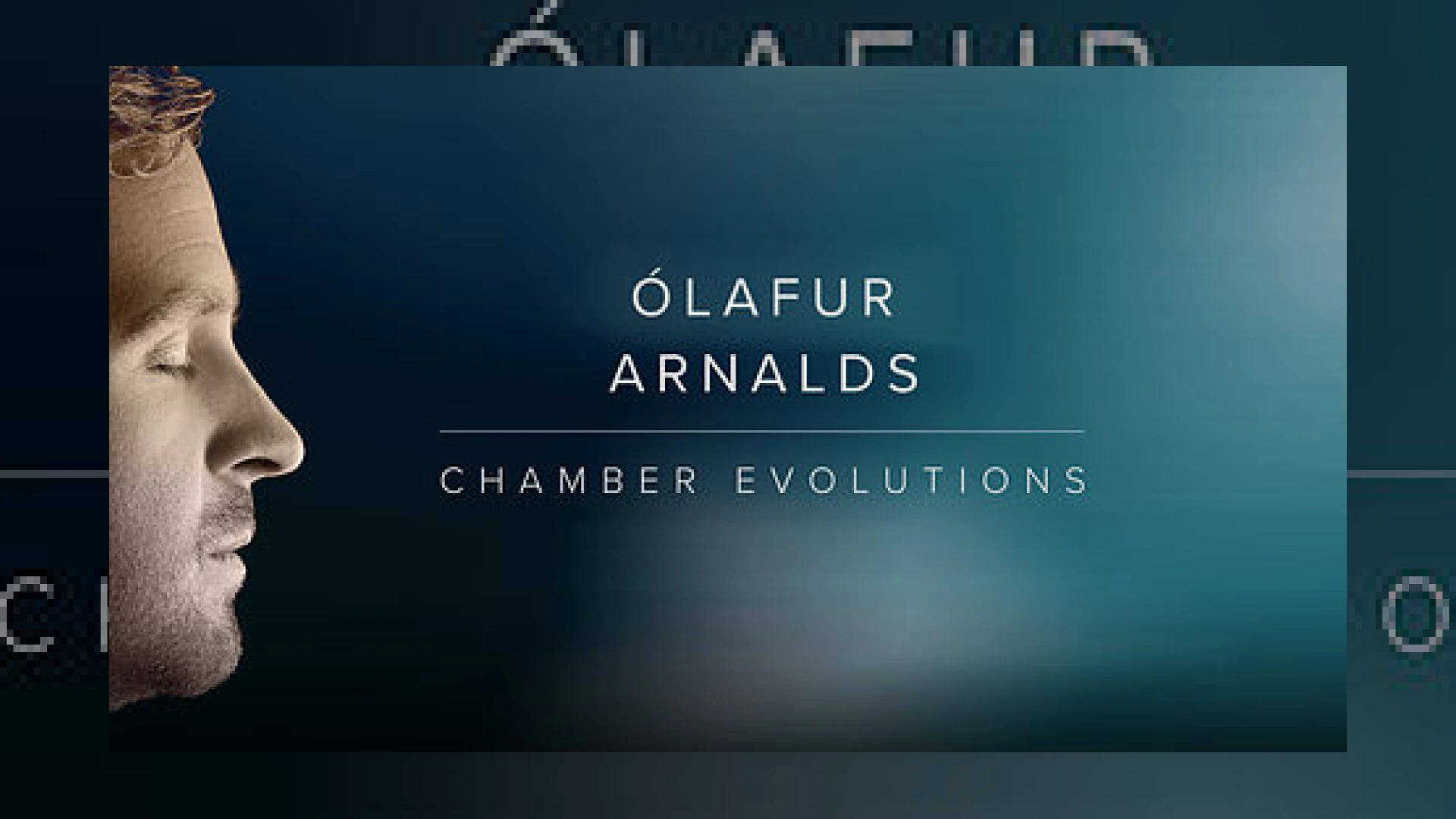
Visual context for Spitfire release Ólafur Arnalds Chamber Evolutions.
The collaboration between Spitfire Audio and BAFTA-winning Icelandic composer Ólafur Arnalds has consistently yielded some of the most haunting, evocative virtual instruments on the market. From the intimate string quartet textures of their first joint release to the felted grand piano in the Composer Toolkit, this partnership has redefined modern neoclassical scoring. Here at SM Mastering, we are thrilled to examine the sonic details of the new spitfire release Ólafur arnalds chamber evolutions, a virtual instrument designed to inject organic movement and fragile warmth directly into your digital audio workstation.
Recorded in the legendary acoustic space of AIR Studios’ Lyndhurst Hall in London, this library steps away from the traditional quartet setup to embrace a 16-piece chamber string ensemble. Conducted by Viktor Orri Árnason, the ensemble consists of four first violins, three second violins, three violas, three cellos, and three double basses. By expanding the ensemble size while keeping the focus on delicate, evolving performances, this release bridges the gap between intimate chamber music and grand cinematic scoring.
Analyzing the Unique Textures of the spitfire release Ólafur arnalds chamber evolutions
At the heart of the spitfire release Ólafur arnalds chamber evolutions is the celebrated Evo Grid interface. This grid allows composers and producers to plot different long, evolving articulations across various registers of the keyboard. Instead of a static sample playback, the notes naturally drift, change timber, and evolve over time, meaning no two performances sound exactly the same. This randomness and organic drift are highly prized during the mastering stage, as they add a lifelike depth and dimension that synthetic pads simply cannot replicate.
When incorporating the spitfire release Ólafur arnalds chamber evolutions into a complex mix, mastering engineers must pay careful attention to the low-mid frequencies. Because these strings are recorded in a highly reverberant hall, the buildup around 250 Hz to 500 Hz can become dense. Utilizing advanced spectral shapers, such as those found in iZotope Ozone or custom analog EQ units, can help maintain the warmth of the hall without sacrificing transient clarity. To learn more about managing low-mid build-up in cinematic mixes, explore our comprehensive guides on the SM Mastering Audio Articles hub.
Another groundbreaking feature introduced in this library is “Waves”. Unlike standard sustained notes, Waves follow a pre-programmed, wave-like dynamic arc. Notes emerge from absolute silence, swell to a gorgeous peak, and then die away naturally. This saves hours of volume automation work and yields an incredibly smooth, natural performance that sits beautifully in a stereo field.
Technical Specifications
Below is a breakdown of the key specifications for this virtual instrument:
| Specification Name | Details & Primary Use | Price | Expert Rating |
|---|---|---|---|
| Spitfire Audio Ólafur Arnalds Chamber Evolutions | Chamber string texture library utilizing the Evo Grid and Wave systems for film scoring and ambient production. | £249 / $299 | 4.9 / 5.0 |
Practical Studio Workflow Tips for Evolving Strings
Implementing the spitfire release Ólafur arnalds chamber evolutions into your default template requires a subtle touch to maximize its sonic impact. Here are a few tips from our mastering team:
- Utilize Close Mics for Definition: While the tree and ambient mics capture the breathtaking acoustic space of Lyndhurst Hall, blending in a touch of the close microphones will help preserve the bow noise and transient detail, giving the mastering engineer more definition to work with in the high-frequency spectrum.
- Keep Dynamic Range Intact: Avoid over-compressing these evolving textures. The beauty of Ólafur Arnalds’ signature sound relies on dynamic breath. If control is needed, opt for slow-attack parallel compression or dynamic EQ rather than hard brickwall limiting.
- Use Expression Controls: Map your MIDI controller’s mod wheel (CC1) and expression slider (CC11) to ride the swells dynamically. This ensures that the virtual instrument interacts naturally with the other acoustic elements in your production.
Conclusion
Ultimately, the spitfire release Ólafur arnalds chamber evolutions represents a monumental step forward for composers who favor a Nordic minimalist aesthetic. Its blend of traditional orchestration, modern UI design, and unparalleled acoustic capture makes it an indispensable tool for film, television, and ambient music production. By understanding how to balance its lush, natural room acoustics during the mixing and mastering phases, you can achieve a professional, deep, and emotionally resonant soundstage.
Frequently Asked Questions
What makes the “Waves” feature different from standard articulations?
The “Waves” feature in this library automates the dynamic swell of the strings, letting notes emerge from silence, reach a peak volume, and fade away naturally. This mimics a live player’s natural expression without requiring tedious manual automation in your DAW.
Can this library be used alongside traditional symphonic libraries?
Yes, absolutely. Because it was recorded at AIR Studios (Lyndhurst Hall), it shares the exact same acoustic space as Spitfire Audio’s flagship symphonic libraries, allowing for seamless integration and spatial cohesion in your mixes.
What are the system requirements for running Chamber Evolutions?
The library runs via the free Kontakt Player or the full version of Kontakt. It requires a relatively modern computer with adequate RAM (8GB minimum, 16GB or more recommended) and SSD storage to ensure smooth streaming of the extra-long evolving samples.
🛒 Official Product Info & Where to Buy
Check full technical specs, pricing, and purchase options directly from the official manufacturer or authorized dealer for Spitfire release Ólafur Arnalds Chamber Evolutions.

Written by SM Mastering
Official content on sound engineering, mixing, mastering, and advanced electronic production by SM Mastering.