At SM Mastering, we constantly analyze how live sound innovations translate into the studio environment. In this technical review, we look back at a pivotal moment in modern guitar amplification: the release of the video: line 6 powercab 112 – musikmesse 2018. This system redefined how guitarists interact with cabinet modeling, bridging the gap between digital convenience and physical “amp-in-the-room” acoustic feedback. For session guitarists and engineers alike, understanding this crossover is essential for capturing authentic performances before they ever reach the mixing and mastering stage.
Technical Breakdown of the Video: Line 6 Powercab 112 – Musikmesse 2018
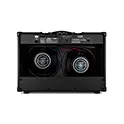
When analyzing the technical details presented in the video: line 6 powercab 112 – musikmesse 2018, the standout feature is the hybrid design of the active speaker. Standard FRFR (Flat Response, Flat Range) monitors often sound sterile to guitarists accustomed to physical guitar cabinets. Line 6 solved this by designing a custom coaxial 12-inch speaker with a lightweight cone. This design choice ensures the rapid transient response characteristic of traditional guitar speakers while operating across a wide frequency range of 70 Hz to 20 kHz.
According to the product specifications showcased in the video: line 6 powercab 112 – musikmesse 2018, the system pushes 250 watts of clean power, outputting up to 125dB Peak SPL. This headroom is crucial for reproducing the dynamic spikes of heavy picking without introducing unwanted solid-state distortion. For engineers using elite processing interfaces like those from Universal Audio, feeding a clean line-out from the Powercab into a studio preamp yields incredibly pristine, mix-ready tracks.
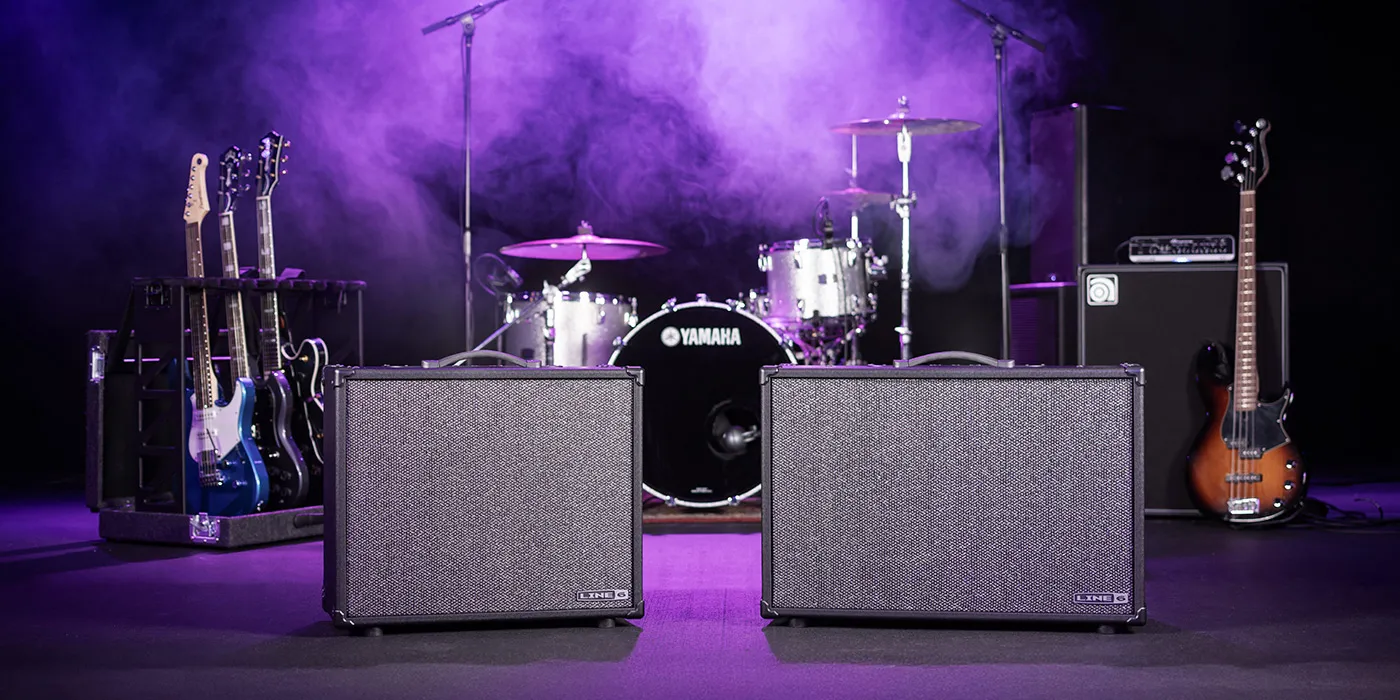
Additional product view and interface angle for VIDEO: Line 6 Powercab 112 – Musikmesse 2018.
Two Distinct Operating Modes
The core utility of this cabinet lies in its dual-mode functionality, which was heavily emphasized during its debut at Musikmesse 2018:
- Flat Mode: Delivers a highly accurate, neutral response. This mode is perfect for reproducing the exact cabinet, microphone, and room emulation of your software modelers or hardware profilers.
- Speaker Modeling: Bypasses your software’s cab emulation entirely. Instead, the Powercab’s internal DSP emulates six classic speaker models, including “Green” (based on the legendary Celestion Greenback) and “Bayou” (based on the Eminence Swamp Thang). This allows the physical speaker cabinet to behave like those historic drivers.
Specifications Overview
Here is a summary of the technical specifications for the Line 6 Powercab 112 as discussed in our professional analysis:
Additional product view and interface angle for VIDEO: Line 6 Powercab 112 – Musikmesse 2018.
| Name | Use | Price (MSRP at Launch) | Rating |
|---|---|---|---|
| Line 6 Powercab 112 | Active Guitar Cabinet & FRFR Monitor | $599 USD | 4.5 / 5.0 |
Practical Studio Workflow Tips
Integrating an active speaker cabinet like the Powercab 112 into a high-end recording chain requires a strategic approach. Here are our top tips from the mastering desk:
- Manage Low-End Build-Up: While the Powercab has a flat response down to 70 Hz, placing it directly on a hardwood studio floor can create muddy resonances. Use a decoupling riser to isolate the cabinet from the floor.
- Dual-Sourcing: Record both the direct line-out (from your modeler/profiler) and a physical microphone placed in front of the Powercab 112 in Speaker Modeling mode. Blending these two signals in your DAW provides unparalleled depth and phase coherence. Check out our comprehensive guides on tracking at the SM Mastering Audio Articles portal for more advanced routing strategies.
- Use the Kickstands: If you are monitoring in the control room, use the foldout kickstands to angle the speaker toward your ears. This ensures you are hearing the high-frequency transients accurately, reducing the risk of over-compensating with high-shelf EQ in your patch designs.
Conclusion
Reflecting on the video: line 6 powercab 112 – musikmesse 2018, it is clear that this release marked a significant milestone for performing and recording guitarists. By combining the flexibility of digital impulse responses with the physical push of a custom 12-inch speaker, Line 6 created a highly versatile tool that simplifies the tracking process while preserving organic performance dynamics.
Additional product view and interface angle for VIDEO: Line 6 Powercab 112 – Musikmesse 2018.
Frequently Asked Questions
How does the Powercab 112 compare to standard studio FRFR monitors?
Traditional studio FRFR monitors are designed to be completely transparent but often lack the fast transient response and physical “push” of a real guitar speaker. The Powercab 112 uses a lightweight coaxial speaker cone designed specifically to mimic the physical playability and dynamic feedback of a guitar amp.
Can I use the Powercab 112 with non-Line 6 amp modelers?
Yes. The Powercab 112 features standard analog XLR and 1/4-inch inputs, making it fully compatible with any modeler, profiler, preamp pedal, or software-based guitar rig on the market.
Additional product view and interface angle for VIDEO: Line 6 Powercab 112 – Musikmesse 2018.
What is the weight and portability of this cabinet?
Constructed with curved plywood, the Powercab 112 is built for the road but weighs only 35 lbs (16 kg), making it highly portable for gigging musicians and session players transitioning between studios.
Additional product view and interface angle for VIDEO: Line 6 Powercab 112 – Musikmesse 2018.
🛒 Official Product Info & Where to Buy
Check full technical specs, pricing, and purchase options directly from the official manufacturer or authorized dealer for VIDEO: Line 6 Powercab 112 – Musikmesse 2018.
Written by SM Mastering
Official content on sound engineering, mixing, mastering, and advanced electronic production by SM Mastering.