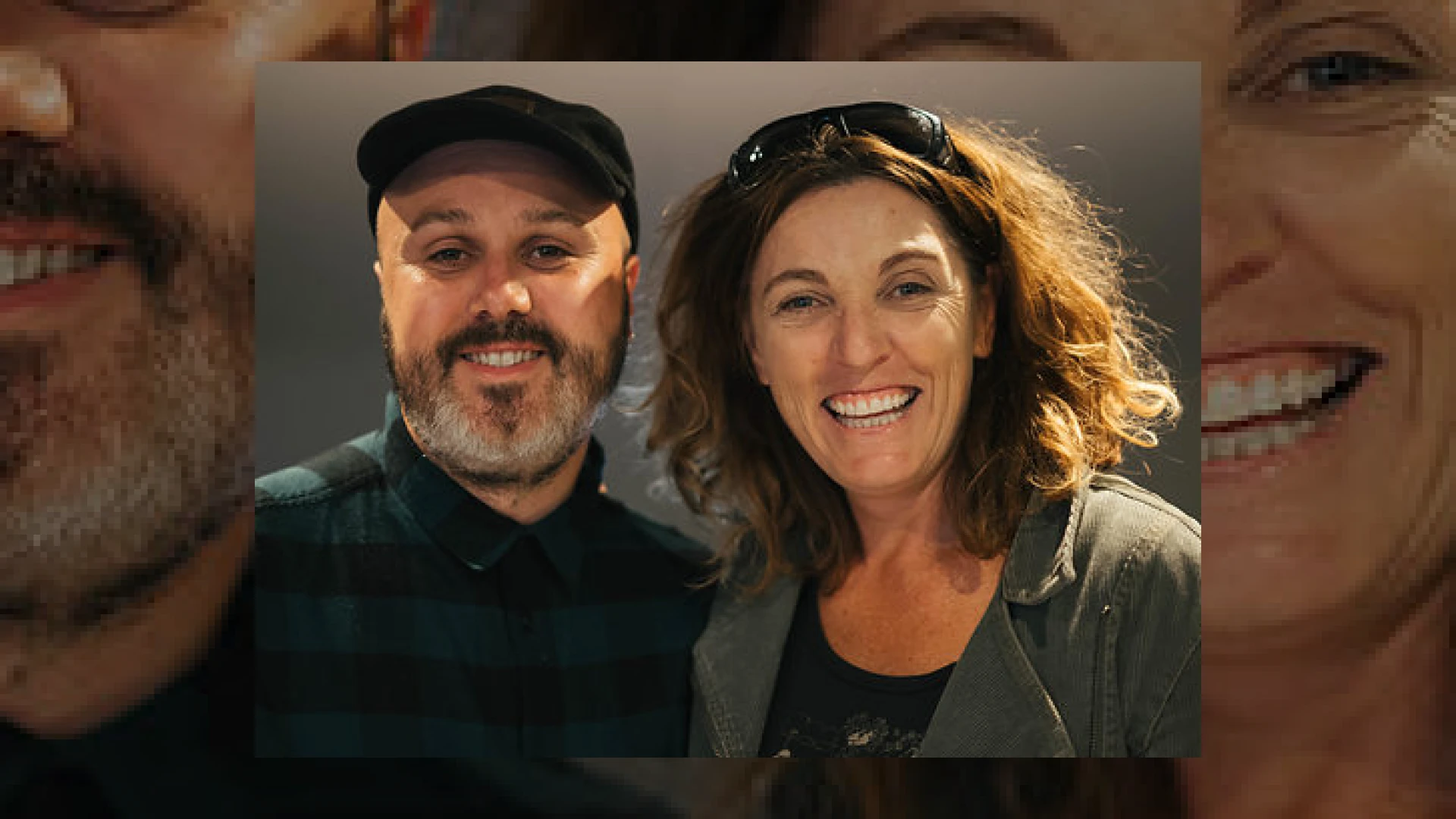
Visual context for Pro7ect songwriting retreat reveals headline producer.
The modern music production landscape is constantly evolving, yet the core of any hit record remains the quality of the song itself. For audio engineers, songwriters, and producers looking to elevate their craft, collaborative environments offer unparalleled opportunities for professional growth. Recently, the industry-buzzing news that the pro7ect songwriting retreat reveals headline producer has captured the attention of our engineering team here at SM Mastering Audio Articles. This highly anticipated event, hosted at Brighton’s iconic, music-themed Hotel Pelirocco, bridges the gap between raw talent and seasoned studio veterans. By analyzing these high-end collaborative environments, we can extract vital lessons about professional workflows, pristine signal chains, and acoustic adaptability in pop-up studio spaces.
Inside the Studio: How the pro7ect songwriting retreat reveals headline producer Dynamics
At the heart of this year’s announcement is Gethin Pearson, a highly versatile producer and multi-instrumentalist known for his work with Badly Drawn Boy, Kele Okereke, and Charli XCX. When the pro7ect songwriting retreat reveals headline producer lineups like Pearson alongside Stew Jackson (Massive Attack), it highlights the incredible importance of cross-genre collaboration. In these fast-paced pop-up studio setups, the pressure is immense: participants must write, record, and mix a complete track within a single day. This relentless timeline demands a deep understanding of rapid-fire recording techniques and highly reliable hardware.
From a technical mastering perspective, tracking in temporary spaces like hotel rooms presents unique acoustic and engineering challenges. The news that the pro7ect songwriting retreat reveals headline producer Gethin Pearson will be working out of a room sponsored by Prism Sound underlines how critical premium hardware is to overcoming room limitations. High-end analog-to-digital converters and ultra-transparent preamps ensure that every transient is captured with absolute fidelity, even in untreated or minimally treated acoustic environments. For independent artists, replicating this workflow means prioritizing high-headroom interfaces and reliable microphone placement before any digital processing begins.
Furthermore, having access to industry-standard monitoring solutions from brands like PMC and Focusrite/Novation allows engineers to make critical mix decisions on the fly. As the pro7ect songwriting retreat reveals headline producer selections, it becomes clear that success in these environments is not just about the gear, but about the synergy between producer and artist. The daily rotation of teams challenges songwriters to step outside their comfort zones, leading to spontaneous creative decisions that often result in commercial-grade hits.
Ultimately, when the yearly pro7ect songwriting retreat reveals headline producer talent, it serves as a masterclass in modern music production workflows. Understanding how these top-tier producers manage session files, fast-track vocal comps, and prepare pre-mixes for mastering can drastically improve your own daily studio efficiency. Let’s delve into the specific gear specifications and workflows utilized in these highly productive pop-up spaces.
Pop-Up Studio Gear Specifications
To deliver commercial-grade audio within a 24-hour turnaround, the pop-up studios at the retreat are equipped with a meticulously selected array of high-end hardware. Below is an overview of the key gear driving these collaborative spaces:
| Gear Name | Primary Use | Est. Price (USD) | Expert Rating |
|---|---|---|---|
| Prism Sound Lyra 2 | Reference AD/DA Conversion & Preamps | $2,499 | 9.8 / 10 |
| PMC result6 | Nearfield Studio Monitoring | $2,950 (Pair) | 9.6 / 10 |
| Focusrite ISA One | Analog Microphone Preamp | $599 | 9.2 / 10 |
| Audio-Technica ATH-M50x | Studio Tracking Headphones | $149 | 9.0 / 10 |
Practical Studio Workflow Tips from the Experts
Working under tight deadlines requires a streamlined workflow. Here are three practical tips inspired by the high-efficiency environments of songwriting retreats:
- Build a Universal Tracking Template: Save precious hours by preparing DAW templates with pre-configured vocal chains, sidechain routings, and key virtual instruments. This allows you to capture creative inspiration immediately without technical roadblocks.
- Control the Low End in Temp Spaces: If you are tracking in a non-traditional studio space, use high-quality closed-back headphones like the ATH-M50x to check low-frequency accumulation, or use reference software to calibrate your monitors.
- Commit to Decisions Early: Do not leave all the editing for the mix stage. Bounce virtual instruments to audio, commit to vocal comping on the fly, and apply gentle high-pass filtering early in the chain. This keeps the session clean and ready for a professional master.
Conclusion
The Pro7ect songwriting retreat continues to set a benchmark for creative collaboration and sonic excellence. By pairing elite producers with state-of-the-art gear from sponsors like Prism Sound and PMC, the event highlights how the right tools can unlock boundless creativity, even under intense time constraints. Whether you are preparing a track in a pop-up hotel suite or a dedicated facility, focusing on clean capture and rapid decision-making will ensure your music is ready for the final, critical stage of professional mastering.
Frequently Asked Questions
What is the Pro7ect songwriting retreat?
Pro7ect is an exclusive creative retreat that brings together songwriters, artists, and top-flight producers in pop-up studio spaces. Participants collaborate in rotating teams to write, record, and produce a complete song each day under the guidance of industry-leading producers.
Why are high-end AD/DA converters important in non-studio environments?
In temporary or acoustically untreated spaces, high-end converters (such as those from Prism Sound) ensure that the analog signal is translated into the digital domain with maximum clarity, minimum jitter, and absolute phase coherence, preserving the integrity of the performance.
How should I prepare my pop-up session mixes for mastering?
To ensure optimal mastering results, maintain at least 3 to 6 dB of headroom on your master bus, disable any aggressive master bus brickwall limiters, and export your files at their native sample rate and bit depth (ideally 24-bit or 32-bit float).
Written by SM Mastering
Official content on sound engineering, mixing, mastering, and advanced electronic production by SM Mastering.