Visual context for Music Expo Miami a hit, next stop Boston.
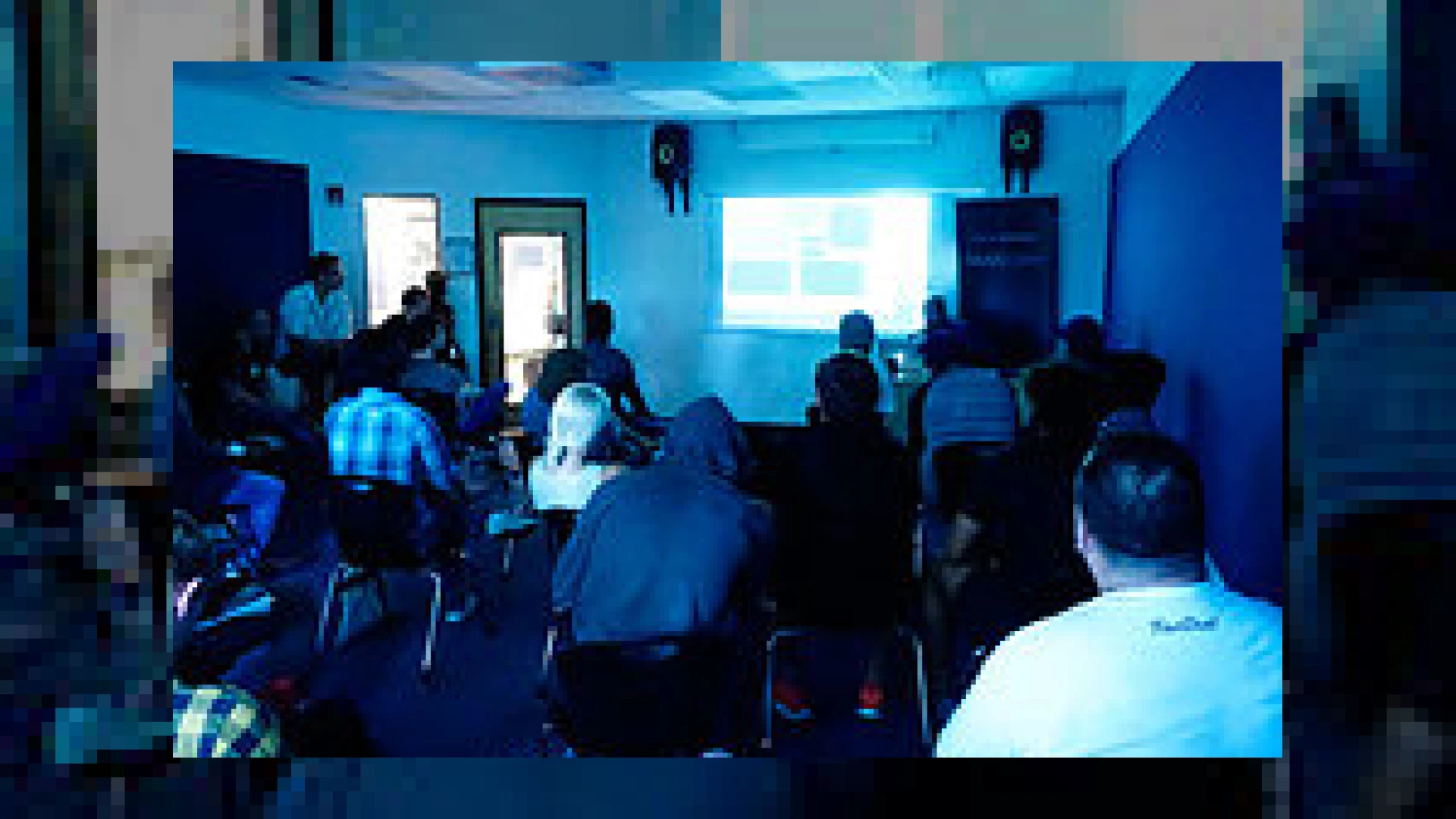
With the successful conclusion of the recent showcase at the SAE Institute in North Beach, the industry buzz confirms that the music expo miami a hit, next stop boston is the talk of the production community. As mastering and mixing engineers, we constantly keep our ears to the ground for events that push the boundaries of audio technology, creative workflow, and education. The Miami event delivered on all fronts, bridging the gap between industry veterans and aspiring creators with an intense lineup of masterclasses, interactive workshops, and high-end gear exhibitions.
Industry veterans and newcomers alike agree that the unique format of the event made the music expo miami a hit, next stop boston a highly influential gathering for modern music creators. The event kicked off with incredible energy, highlighting how quickly technology is democratizing the production space while emphasizing that core acoustic and mixing principles remain as vital as ever. From deep-dive software demonstrations to hands-on synthesizer showcases, the education provided was invaluable for anyone looking to refine their sonic signature.
The Audio Innovations: Music Expo Miami a Hit, Next Stop Boston
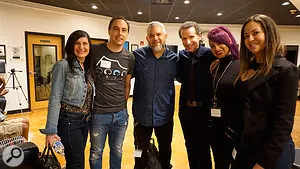
Among the standout highlights was the closing masterclass, “Mixing in the Box,” hosted by the legendary Gary Noble (known for his immaculate engineering work with Amy Winehouse and Faith Evans). Noble demystified his hybrid-style digital workflow, proving that you do not need a million-dollar console to achieve world-class depth, warmth, and stereophonic width. Additionally, Tiffany Miranda and the talented young women from her non-profit organization, Girls Make Beats, hosted a phenomenal DJ workshop and live jam session, demonstrating the vital work being done to empower the next generation of female producers, engineers, and DJs.
Additional product view and interface angle for Music Expo Miami a hit, next stop Boston.
For those of us tracking these shifts at SM Mastering, seeing the music expo miami a hit, next stop boston highlights how quickly hybrid workflows are dominating the studio landscape. This was further emphasized by Wyatt Meagher’s packed presentation on Ableton Live and the Push controller, showing how seamlessly hardware and software integrate in modern electronic music production. Meanwhile, James Joubran and Guillermo took a unique approach in their “What Producers Do” session by inviting artist Alvaro Alcocer to the stage, giving attendees a rare behind-the-scenes look at how a raw demo is meticulously transformed into a commercially viable, polished master.
The exhibition floor was equally spectacular. Representatives from industry-leading developer iZotope demonstrated their intelligent mixing suite, Neutron, showing how assistive audio technology can accelerate workflow without compromising artistic control. High-end monitoring specialist Unity Audio showcased their critically acclaimed active monitors, while Yamaha drew crowds with their MX88 weighted-action keyboard and the vintage-inspired Reface miniature synthesizer series. Joe Cozzi from Eventide was also on hand, demonstrating the creative potential of their legendary spatial and modulation effects.
Key Gear Specifications Featured at the Expo
To help you understand the caliber of tools discussed during these sessions, we have compiled a specifications table of the standout gear and software highlighted by the presenters:
| Name | Use | Estimated Price | Expert Rating |
|---|---|---|---|
| iZotope Neutron 4 | Intelligent Mixing and Spectral Analysis | $399 | 4.8 / 5.0 |
| Ableton Push 3 | Hardware Instrument & Live Controller | $999 | 4.7 / 5.0 |
| Yamaha MX88 | 88-Key Weighted Synthesizer / Controller | $1,099 | 4.5 / 5.0 |
| Unity Audio Boulder | High-End Active Studio Monitoring | $3,500 (Pair) | 4.9 / 5.0 |
Practical Studio Workflow Tips Inspired by the Event
Based on the masterclasses and panels held during the expo, our team at SM Mastering has compiled several actionable workflow tips you can implement in your home or professional studio today:
- Embrace “In-the-Box” Saturation: As Gary Noble demonstrated, achieving analog warmth digitally relies on staging subtle layers of harmonic saturation. Instead of pushing one plugin hard, use multiple instances of gentle saturation across your instrument busses.
- Optimize Your Monitoring Environment: Listening to the Unity Audio monitors reminded everyone that your mixing choices are only as good as what you can hear. Invest time in proper acoustic treatment and speaker placement before investing in expensive new plugins.
- Streamline Controller Integration: Tools like Ableton Push are designed to keep you away from the computer screen. Map your most-used parameters to physical encoders to encourage a more tactile, intuitive mixing and production experience.
- Keep the Dynamic Vision: During his critical listening seminar, Grammy-nominated producer Jay-J emphasized the preservation of micro-dynamics. Avoid over-limiting your mixes before sending them to mastering. If you want to learn more about preparing your tracks, check out our comprehensive guides on the SM Mastering Audio Articles page.
Conclusion
Ultimately, the momentum behind the music expo miami a hit, next stop boston demonstrates that our industry thrives on collaborative learning and real-world audio demonstrations. By bringing together software innovators, legendary engineers, and forward-thinking hardware manufacturers, these regional expos provide the perfect ecosystem for sonic growth. As the roadshow packs up and prepares to bring this incredible energy to the historic music community of Boston, the lessons learned in Miami will continue to influence tracking, mixing, and mastering sessions worldwide.
Frequently Asked Questions
What makes “Mixing in the Box” different from hybrid mixing?
“Mixing in the Box” (ITB) refers to processing audio entirely within a Digital Audio Workstation (DAW) using plugins. Hybrid mixing combines this digital convenience with external analog outboard gear (like hardware compressors, EQs, and summing mixers) to combine the speed of software with the physical characteristics of analog circuitry.
Why are high-end monitors like those from Unity Audio crucial for mastering?
<pHigh-end studio monitors provide an exceptionally flat frequency response and superior transient detail. This accuracy allows engineers to hear subtle phase issues, frequency build-ups, and dynamic imbalances that consumer-grade speakers or untreated rooms might mask, ensuring the master translates perfectly to all playback systems.
What can attendees expect from the upcoming Boston Music Expo?
Building on the success of the Miami event, the Boston stop is expected to feature localized masterclasses with East Coast industry leaders, hands-on gear exhibitions from top-tier manufacturers, networking opportunities with regional recording studios, and interactive panels focused on modern production, mixing, and music business strategies.
Written by SM Mastering
Official content on sound engineering, mixing, mastering, and advanced electronic production by SM Mastering.