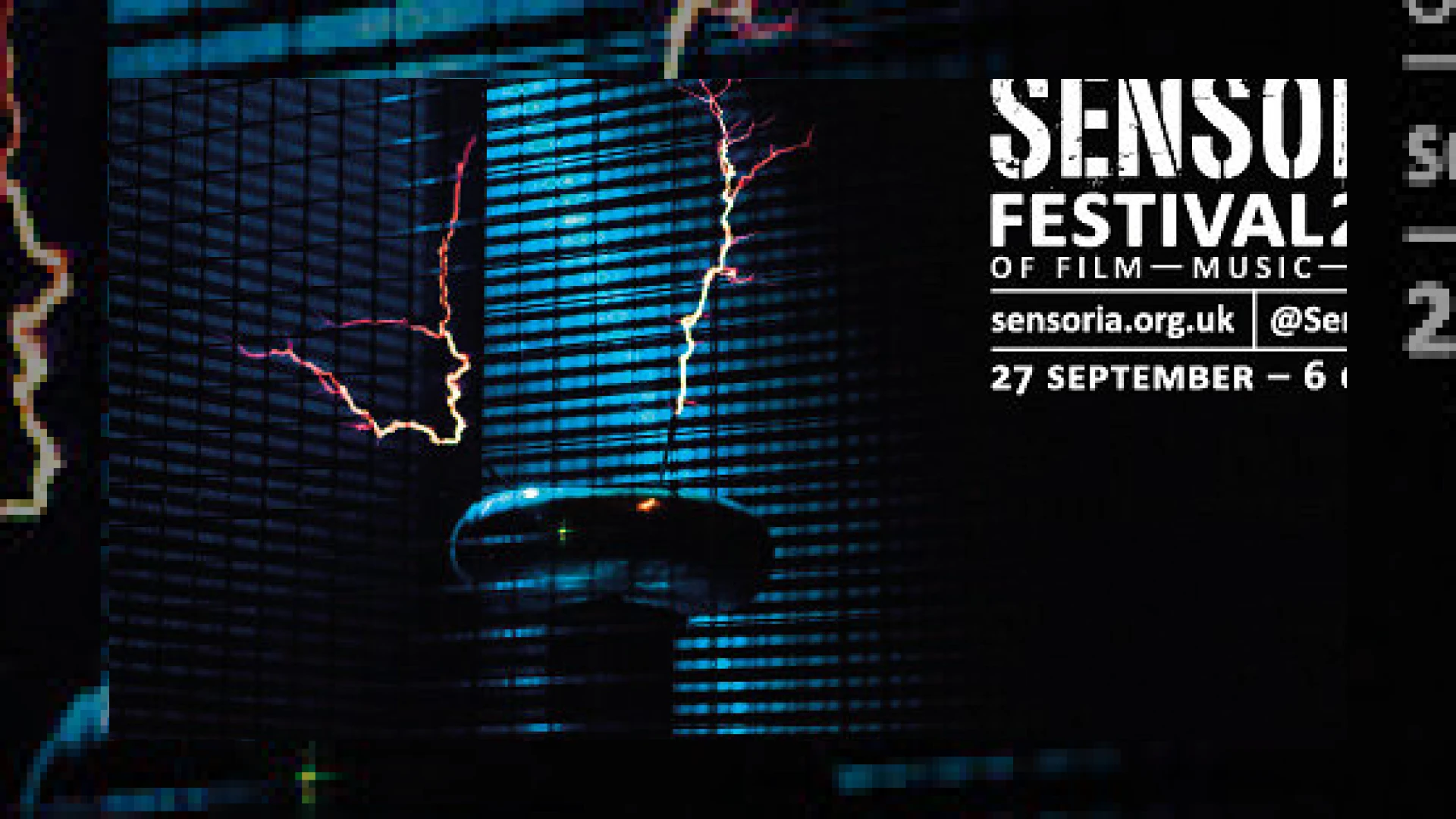
Visual context for Sensoria Festival adds Drenge, Rolo Tomassi to line-up.
The recent announcement that the sensoria festival adds drenge, rolo tomassi to line-up has generated massive waves within the UK alternative music community and the professional live audio sector alike. Celebrating its 10th anniversary with the theme “Senses Working Overtime,” Sheffield’s renowned Sensoria Festival has expanded its programming to a packed 10-day schedule running from September 27th to October 6th. For mixing and mastering engineers, this diverse curation presents a fascinating case study in handling contrasting acoustic dynamics, high-transient live environments, and hybrid electronic-acoustic soundscapes.
This landmark iteration of the festival is set to showcase an eclectic range of performances. In addition to the guitar-driven weight of Drenge and the complex, chaotic mathcore textures of Rolo Tomassi, attendees will experience sets from BEAK>, Ex-Easter Island Head, and the synth-heavy Will Gregory Moog Ensemble. From an engineering perspective, translating such a wide sonic spectrum from the stage to high-fidelity live broadcast requires meticulous preparation, ultra-transparent system tuning, and robust signal paths.
Technical Audio Insights: Sensoria Festival adds Drenge, Rolo Tomassi to line-up
Analyzing the sonic architecture of these acts shows why the news that the sensoria festival adds drenge, rolo tomassi to line-up is so critical for live audio systems. Rolo Tomassi utilizes a massive dynamic range, jumping instantaneously from delicate, ethereal synth-laden whispers to explosive, ultra-dense distorted guitars and complex drum patterns. Managing this requires exceptional transient response in the PA system and precise control over the mid-range frequencies to prevent acoustic masking.
On the other hand, Drenge brings a raw, garage-rock grit characterized by heavy low-frequency resonance and powerful drum transients. For live sound engineers, balancing the low-mid weight of Drenge with the pristine high-end clarity of SynthFest UK (which is hosted by Sound On Sound during the festival) demands versatile processing tools. Many live engineers rely on hardware emulations from Universal Audio to manage these dynamics in real-time, applying gentle bus compression and analog saturation to glue the mix together before it hits the PA.
As mastering engineers, we look at how the sensoria festival adds drenge, rolo tomassi to line-up from a dynamic range perspective. The extreme sonic shifts in mathcore and heavy rock mean that standard brickwall limiting will destroy the impact of the live performance. Instead, a multi-stage clipping and compression workflow is necessary to preserve the punch of the transients while maximizing perceived loudness for any subsequent festival broadcasts or archive releases.
Essential Mastering & Live Translation Tools
To capture and master live recordings from high-intensity festival lineups, engineers must utilize specialized tools that balance raw power with clinical precision. Below is a breakdown of the industry-standard gear and software recommended for treating live festival audio:
| Product Name | Primary Audio Use | Approximate Price (USD) | Professional Rating |
|---|---|---|---|
| Universal Audio Apollo x8p | Real-time tracking, live DSP processing | $3,299 | 4.9 / 5.0 |
| iZotope Ozone Advanced | Mastering, dynamic EQ, spectral shaping | $499 | 4.8 / 5.0 |
| Neumann KH 120 II | Nearfield monitoring & reference mixing | $999 (each) | 4.9 / 5.0 |
| Soundtoys Decapitator | Harmonic saturation & transient rounding | $199 | 4.7 / 5.0 |
Practical Studio Workflow Tips for Festival Masters
Recreating the energy of a live performance in a stereo master requires a unique approach to dynamics. Whether you are prepping a live release for a major band or finalizing a stereo mix for online streaming, follow these technical guidelines:
- Control Sub-bass Build-up: Live festival stages often gather massive low-frequency energy. Use a high-pass filter with a gentle slope (e.g., 12dB/octave at 25Hz to 30Hz) to clean up the sub-bass without losing the punch of the kick drum.
- Address Mid-Range Build-up: With multiple guitars, synthesizers, and vocals screaming simultaneously, the 2kHz to 4kHz region can become fatiguing. Use a dynamic EQ to pull down these frequencies only when they become overly harsh.
- Utilize Parallel Compression: To keep the drums punchy while maintaining the density of dense guitar walls, set up a parallel compression bus using a fast, aggressive VCA compressor. Blend this subtly with your clean mix.
- Incorporate Analog Saturation: Digital live recordings can sometimes sound cold. Applying subtle tape or tube saturation helps round off harsh digital peaks naturally, giving you more headroom before limiting.
For more detailed step-by-step guides on optimizing your studio mixes for commercial loudness standards, check out our comprehensive library of SM Mastering Audio Articles.
Conclusion
Ultimately, when the sensoria festival adds drenge, rolo tomassi to line-up, it serves as a masterclass in dynamic range and live audio translation. For engineers, managing the sheer power of heavy rock alongside delicate electronic sets is the ultimate test of system design and acoustic processing. By employing smart dynamic control, utilizing high-quality saturation, and keeping a close eye on spectral balance, you can ensure that even the most aggressive live performances sound polished, punchy, and professional on any playback system.
Frequently Asked Questions
What makes live festival mastering different from studio mastering?
Live festival mastering must compensate for unpredictable acoustic environments, stage bleed, and variable microphone placements. Unlike studio tracks where elements are perfectly isolated, live tracks require careful dynamic EQ and spectral repair to manage unwanted resonances and bleed while preserving the energy of the crowd.
How do you control harsh transients in heavy mathcore bands like Rolo Tomassi?
Fast-acting dynamic processors, peak limiters, and analog saturation are key. Instead of relying on a single limiter on the master bus, engineers use serial compression—applying small amounts of gain reduction at multiple stages (tracks, groups, and master)—to transparently tame fast transients without creating pumping artifacts.
What is the benefit of using high-end hardware emulations for live audio?
High-end DSP-powered emulations allow live sound engineers to run analog-modeled compressors, preamps, and EQs with near-zero latency. This brings studio-grade warmth, harmonic saturation, and precise control to the front-of-house mix, ensuring a richer, more cohesive sound for the audience.
Written by SM Mastering
Official content on sound engineering, mixing, mastering, and advanced electronic production by SM Mastering.