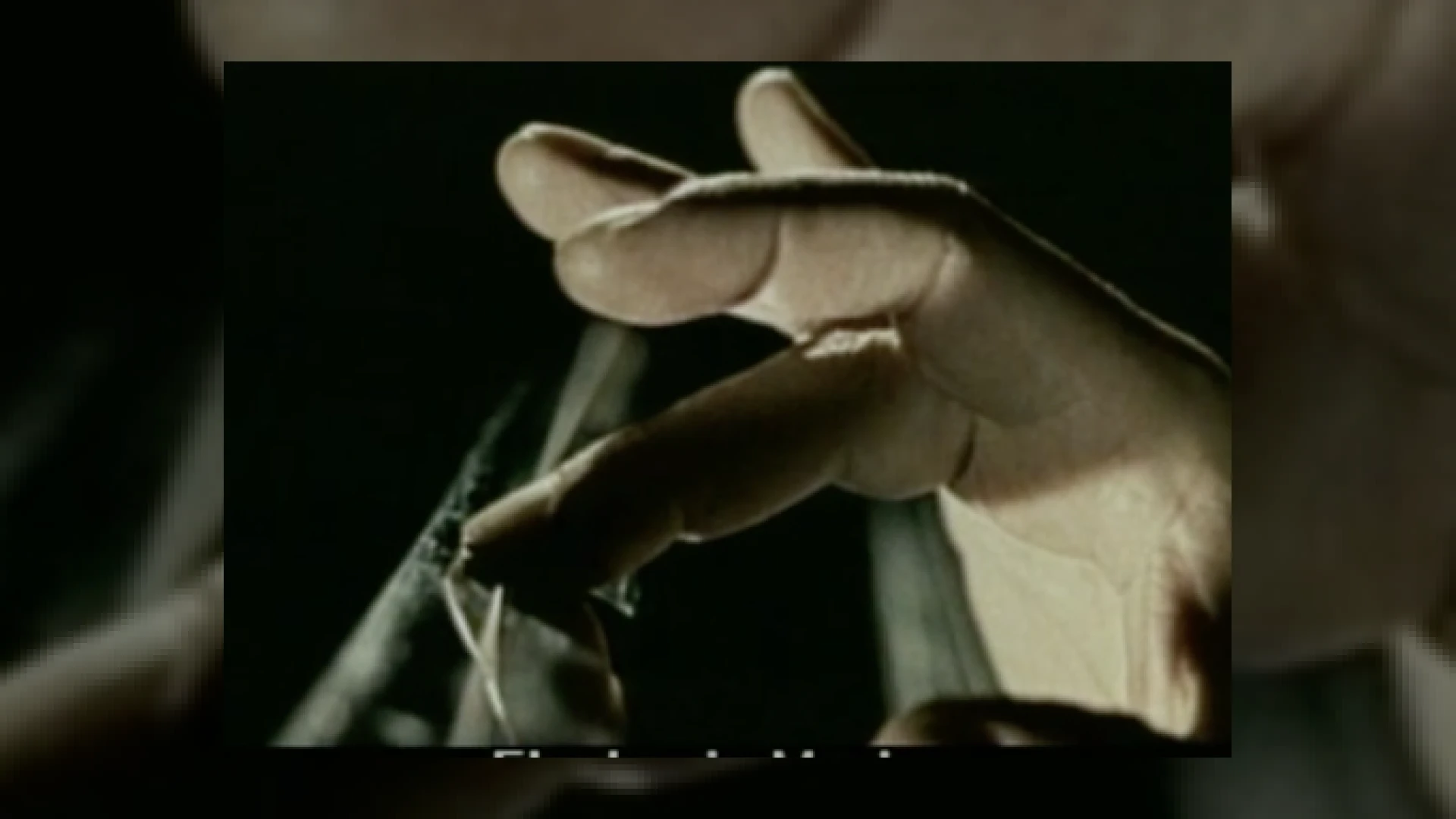
Visual context for SynthFest UK seminars look at past and future of synthesis.
The landscape of electronic music production is constantly shifting, bridging the gap between pioneering historical hardware and cutting-edge digital signal processing. As audio mastering engineers, we continuously monitor these developments to understand how sonic textures evolve. A prime example of this educational convergence is found in the annual calendar of electronic music events, where the synthfest uk seminars look at past and future of synthesis by gathering industry experts, sound designers, and audio engineers to explore the legacy and destiny of sound generation. For more deep dives into audio technology, check out our curated database of SM Mastering Audio Articles.
Why the SynthFest UK Seminars Look at Past and Future of Synthesis
SynthFest UK has established itself as a premier gathering for synthesizer enthusiasts, instrument designers, and pro audio manufacturers. By dedicating its seminar program to both historical retrospectives and forward-looking technologies, the event provides invaluable context for modern producers. Understanding how early electronic instruments functioned allows us to better appreciate the design choices behind contemporary software plug-ins and analog reissues. As the synthfest uk seminars look at past and future of synthesis, they create a roadmap for creative sound design that directly influences how tracks are mixed and mastered today.
Reviving Forgotten Legends: The Trautonium and Delia Derbyshire
One of the most anticipated segments of the event is the exploration of the Trautonium, an extraordinarily rare and expressive subharmonic synthesizer developed in the late 1920s by Friedrich Trautwein. Presented by James Worthington (Ghost Money), this seminar features archive footage and a live demonstration of this elusive instrument. Unlike traditional keyboard synthesizers, the Trautonium uses a wire controller over a metal plate, allowing for unique glissando effects and microtonal micro-intervals that predate modern touch strips.
Additional product view and interface angle for SynthFest UK seminars look at past and future of synthesis.
Alongside this historical journey, the legacy of Delia Derbyshire—the electronic music pioneer behind the iconic Doctor Who theme—is celebrated. Caro C, project manager of Delia Derbyshire Day, guides attendees through the tape-manipulation techniques and early sound design ethos of the BBC Radiophonic Workshop. As we look back, the synthfest uk seminars look at past and future of synthesis by demonstrating how these vintage acoustic-electronic designs continue to inspire modern soundscapes and tactile control surfaces.
Pioneering the Future: Residual Synthesis and Spectral Deconstruction
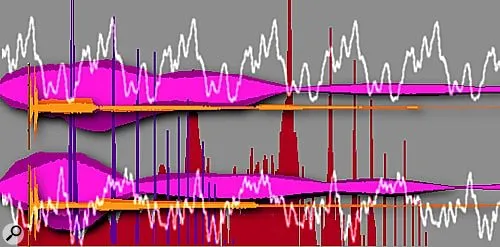
On the futuristic side of the spectrum, synthesis expert Martin Russ introduces a ground-breaking session titled “Sound Synthesis using Residuals.” This seminar offers the first UK demonstration of a pioneering workflow designed to deconstruct sampled instrument sounds. Rather than relying on traditional additive or subtractive resynthesis, Russ presents a streamlined method to split audio samples into a “pitched” (sinusoidal) component and a “noise” (transient/residual) component.

Additional product view and interface angle for SynthFest UK seminars look at past and future of synthesis.
This technique allows producers to access and modify previously locked sonic features within standard WAV samples. For instance, you can radically transform the attack transients of a piano sample without altering its resonant sustain, all using readily accessible digital audio tools. Indeed, these specialized synthfest uk seminars look at past and future of synthesis to provide producers with practical, accessible tools to manipulate audio without complex coding or CPU-heavy processing. To execute high-precision spectral modifications of this nature, industry-standard spectral repair suites from developers like iZotope offer the perfect software complement to these pioneering techniques.
Synthesis Tools & Hardware Comparison
To help you navigate the types of sound generation tools discussed during these seminars, we have compiled a comparison table of key technologies representing both historic emulation and modern digital innovation:
| Name | Use | Price | Rating |
|---|---|---|---|
| Trautonium Emulators / Doepfer Ribbon Controller | Microtonal & subharmonic analog control | $350 – $900 (Hardware/Modules) | 4.7/5 |
| iZotope RX Spectral Editor | Spectral deconstruction and noise separation | $399 (Standard) | 4.9/5 |
| Wavetable Synthesizers (e.g., Serum, Pigments) | Modern hybrid wavetable and noise synthesis | $189 | 4.8/5 |
| Analog Modeling VSTs | Recreating vintage 1970s and 1980s circuitry | $149 | 4.5/5 |
Practical Studio Workflow Tips
Integrating these historical and futuristic concepts into your daily production and mastering workflow can yield incredible creative results. Here are three expert tips based on the principles discussed at SynthFest:
- Emulate the Ribbon Controller Expression: If you do not own a Trautonium, map a continuous MIDI controller (like a touch strip or pitch bend) to control the fine-tuning and filter cutoffs of an analog modeling plugin. This introduces human-like microtonal drift that keyboard keys cannot achieve.
- Execute Manual Residual Splitting: In your DAW, duplicate a vocal or acoustic loop. On track A, use a steep high-pass filter and a transient designer to isolate only the breathy, noisy transients. On track B, use a low-pass filter and extreme dynamic EQ to isolate the fundamental pitch. Process these tracks separately to gain unmatched mixing flexibility.
- Process Synths for Mastering: When preparing synth-heavy tracks for mastering, manage the subharmonic frequencies carefully. Vintage-style patches often carry unstable low-end energy. Utilize dynamic EQ or mid-side processing to keep the sub frequencies mono-compatible while letting the mid-range stereo field bloom.
Implementing these ideas is easier when you see how the synthfest uk seminars look at past and future of synthesis to inspire novel production techniques that break free from standard template presets.
Conclusion
Whether you are fascinated by the vacuum-tube warmth of the 1920s Trautonium or the mathematical precision of modern residual sound design, continuing your education in synthesis is crucial. The boundary between the past and the future of electronic music is highly fluid. The ways the synthfest uk seminars look at past and future of synthesis will continue to shape how we mix and master electronic music at SM Mastering, reminding us that every innovation is built upon the foundational physics of sound.
Frequently Asked Questions
What is residual synthesis?
Residual synthesis involves deconstructing an audio sample into two distinct parts: the harmonic, pitched component, and the non-harmonic, “noisy” residual component. By separating these two elements, sound designers can manipulate transients, noise, and sustain independently, offering greater creative flexibility than standard sample playback.
Can I emulate a Trautonium using modern software?
Yes. While the physical interface (a wire ribbon controller) is difficult to replicate without dedicated hardware, you can emulate its unique subharmonic sound generator using specialized software synthesizers or modular VST environments like Reaktor or VCVRack, mapping a continuous MIDI controller for pitch control.
Why is spectral deconstruction important for mastering?
Spectral deconstruction allows engineers to isolate and clean up specific problem frequencies (such as analog hiss, resonance buildup, or unwanted ambient room noise) without affecting the pristine tonal elements of a mix. This results in a cleaner, more dynamic master that translates perfectly to all playback systems.
Written by SM Mastering
Official content on sound engineering, mixing, mastering, and advanced electronic production by SM Mastering.