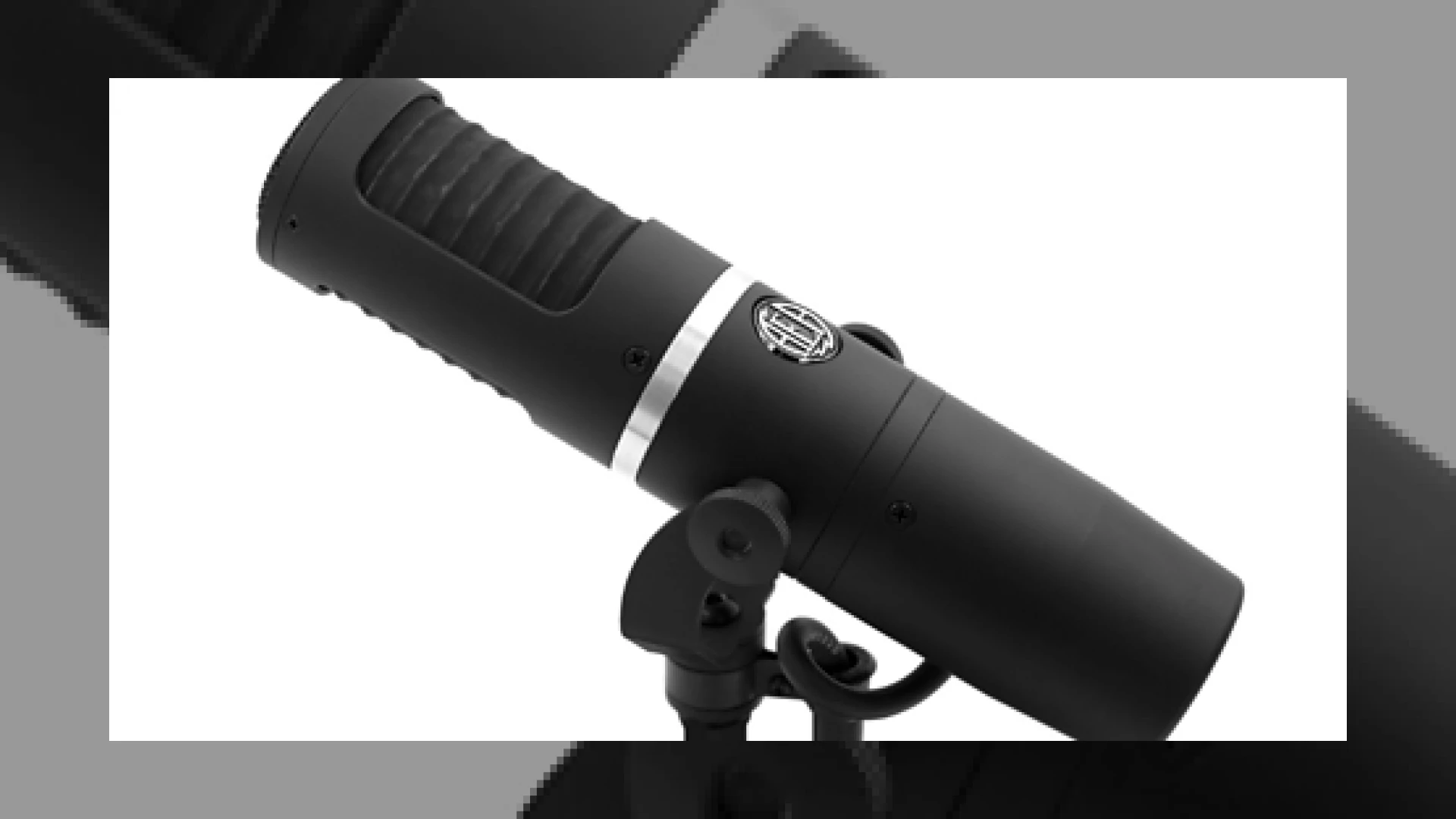
Visual context for AEA launch KU5A supercardioid ribbon mic.
The recording landscape has been forever altered by the integration of active ribbon microphones into modern studio environments. With the recent aea launch ku5a supercardioid ribbon mic, AEA Ribbon Mics has redefined what a ribbon transducer can achieve outside the traditional confines of controlled studio tracking. Historically, ribbon microphones have been celebrated for their smooth, natural high-frequency roll-off and warm low-end transient response. However, their traditional figure-of-eight polar patterns and fragile physical structures often restricted their use to isolated acoustic spaces.
The Direct Impact of the AEA Launch KU5A Supercardioid Ribbon Mic
We at SM Mastering have closely observed how engineers struggle with ambient bleed and room acoustics during tracking sessions. The aea launch ku5a supercardioid ribbon mic addresses this issue directly by utilizing a tight supercardioid polar pattern instead of the standard figure-of-eight configuration. This directional design significantly rejects off-axis bleed, allowing engineers to place a ribbon mic in situations that were previously considered impossible, such as loud live stages or multi-instrumentalist rooms.
When we analyze the frequency response of modern ribbon designs, it is clear that the aea launch ku5a supercardioid ribbon mic represents a massive leap forward. Featuring a built-in, one-pole high-pass filter that rolls off at 283Hz with a gentle 6dB/octave slope, it easily tames the low-frequency buildup caused by the proximity effect. This means vocalists can sing directly into the grille without muddying the low-mid frequencies.
Unlike vintage passive ribbons that require specialized, ultra-high-gain preamps from premium hardware manufacturers like Universal Audio, the active electronics housed within the aea launch ku5a supercardioid ribbon mic make it highly compatible with standard audio interfaces. The active circuitry boosts the output signal, which keeps the self-noise floor exceptionally low and ensures consistent impedance matching across various preamps.
For those interested in optimizing their recording chain before sending their mixes to our stereo mastering team, exploring our curated SM Mastering Audio Articles is an excellent way to understand modern gain-staging. Integrating the aea launch ku5a supercardioid ribbon mic into your front-end tracking system will significantly elevate your raw audio quality, delivering cleaner transients and a smoother top end that translates beautifully during the final mastering stage.
AEA KU5A Technical Specifications
| Name | Primary Use | Price (Introductory) | Rating |
|---|---|---|---|
| AEA KU5A | Vocals, Acoustic Instruments, Guitar Cabinets, Live Stage | $999 USD | 4.8 / 5.0 |
Practical Studio Workflow Tips for the KU5A
- Vocal Tracking: Take advantage of the end-address design. Have the vocalist sing directly into the integrated windscreen. If the low-end feels too heavy due to close-up proximity, engage the onboard 283Hz high-pass filter.
- Electric Guitar Cabinets: Position the mic 2 to 6 inches from the speaker grille. Because of the supercardioid polar pattern, you will capture the punch of the speaker cone without picking up excess room reflections, resulting in a tight, mix-ready guitar track.
- Acoustic Guitar in Shared Rooms: Angle the rear null point of the supercardioid pattern toward other noise sources (such as a computer fan or a nearby drummer) to maximize isolation.
Conclusion
The introduction of this microphone represents a significant shift for project studios and professional tracking facilities alike. By marrying the sonic sweetness of a ribbon element with the directional rejection of a supercardioid pattern and the reliability of active electronics, AEA has delivered an incredibly versatile workhorse. Cleaner tracks at the recording stage pave the way for a more open, dynamic, and powerful master.
Frequently Asked Questions
Do I need a cloudlifter or a high-gain preamp for the AEA KU5A?
No. Because the AEA KU5A features active onboard electronics, it outputs a line-level friendly signal that works perfectly with standard audio interface preamps. It does, however, require +48V phantom power to operate.
Can the AEA KU5A be used on live stages?
Yes. The supercardioid polar pattern and robust physical grille protection make the KU5A uniquely suited for live sound reinforcement, rejecting feedback and spill from other instruments on stage.
How does the high-pass filter affect the sound?
The high-pass filter is a gentle 6dB/octave slope starting at 283Hz. It is designed specifically to counteract the bass-boosting proximity effect when positioning the microphone very close to a sound source.
🛒 Official Product Info & Where to Buy
Check full technical specs, pricing, and purchase options directly from the official manufacturer or authorized dealer for AEA launch KU5A supercardioid ribbon mic.

Written by SM Mastering
Official content on sound engineering, mixing, mastering, and advanced electronic production by SM Mastering.