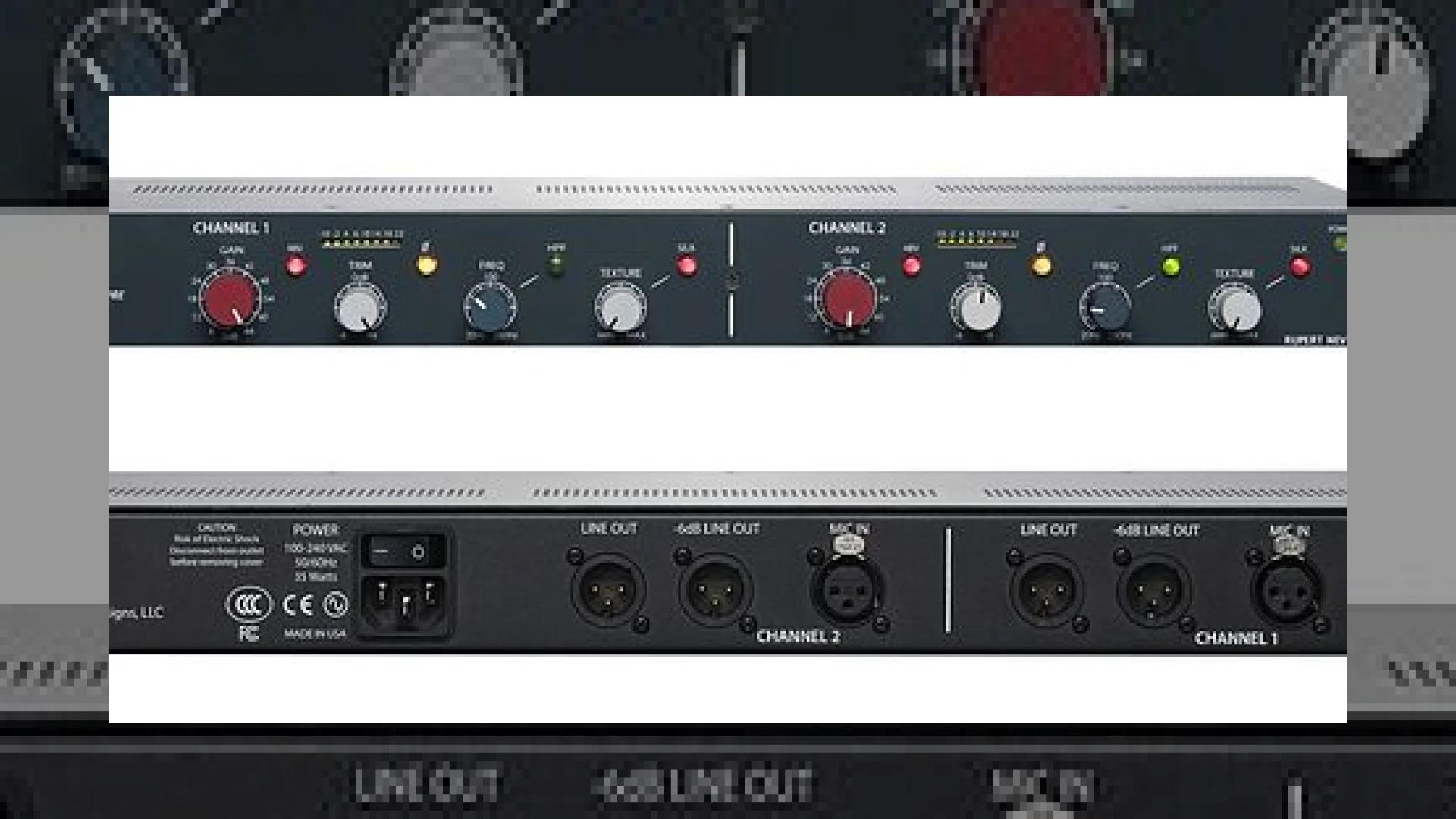
Visual context for Rupert Neve Designs launch 5211 preamp at AES.
The pro audio world is buzzing with excitement following the Audio Engineering Society (AES) convention. As mastering and recording engineers, we are always on the lookout for hardware that can elevate our signal chains. The news that the rupert neve designs launch 5211 preamp at aes event occurred has sent shockwaves through the production community. This new two-channel microphone preamplifier is not just a minor update; it is an elegant evolution of classic analog design combined with modern power and routing flexibility that every serious hybrid studio demands.
Inside the Technical Design: Rupert Neve Designs Launch 5211 Preamp at AES
The original 5012 Duo Mic Preamp, released in 2005, was a groundbreaking unit for the company. However, the rupert neve designs launch 5211 preamp at aes represented a major leap forward in both aesthetics and electronic topology. It boasts higher voltage +/-21V rails, an internal auto-switching power supply, and a striking 19-inch rack unit with the beautiful “Shelford” style faceplate. The core of this unit lies in its custom dual-tap output transformers, which are also featured in the highly acclaimed Shelford Channel. By offering both high-headroom and -6dB low-headroom outputs, engineers can push the preamp’s class-A output stage into rich harmonic saturation without risking digital clipping at the converter stage. To complement your tracking setup with industry-standard conversion and DSP emulation, consider pairing this preamp with units from authority brands like Universal Audio.
One of the most praised features of this hardware is the inclusion of the famous variable Silk circuit. When the rupert neve designs launch 5211 preamp at aes announcement went live, it set a new standard for versatile tone-shaping. When Silk is disengaged, the preamp delivers a pristine, ultra-clean, open, and modern sound. Engaging the Silk control allows you to dial in classic transformer saturation, replicating the harmonic complexity of Rupert’s vintage console designs. Whether you are tracking delicate acoustic instruments or energetic vocal performances, this flexibility makes the 5211 an indispensable tool. For more tips on optimizing your hybrid studio setup and signal chains, feel free to explore our collection of SM Mastering Audio Articles.
Rupert Neve Designs 5211 Specifications
Below is an overview of the key specifications and details for the newly launched preamp:
| Name | Use | Price | Rating |
|---|---|---|---|
| Rupert Neve Designs 5211 | 2-Channel Microphone Preamplifier | $1,995 USD (MSRP) | 4.9 / 5.0 |
Practical Studio Workflow Tips
To get the absolute most out of this modern powerhouse, we recommend integrating the following practices into your daily tracking and mixing workflows:
- Utilize the Dual-Tap Outputs: If you want a clean, modern sound, use the main high-headroom output. If you want a gritty, vintage tone, tap the -6dB output and drive the input gain high. This allows the transformer to saturate beautifully without clipping your digital audio workstation (DAW) inputs.
- Sweep the High-Pass Filter: Don’t just toggle a fixed filter. The 5211 features a sweepable high-pass filter from 20Hz to 250Hz. Use this to surgically remove low-end mud, rumble, or air-conditioning hum while preserving the warmth of your source.
- Line-Level Coloration: Don’t limit this unit to microphones. Use a passive pad or line-to-mic level shifter to run stereo stems from your DAW through the 5211. Engage the variable Silk circuit to glue your mixes with authentic analog warmth.
Looking back at the industry response, the rupert neve designs launch 5211 preamp at aes showcased how vintage warmth and modern headroom do not have to be mutually exclusive. It bridges the gap between clean digital workflows and the coveted harmonic richness of historical consoles.
Conclusion
The Rupert Neve Designs 5211 is a formidable tool that honors the legacy of its creator while adapting to the demands of modern digital recording environments. With its dual-tap transformers, variable Silk saturation, and robust build, it is poised to become a staple in project studios and high-end mastering facilities alike.
Frequently Asked Questions
What is the difference between the 5211 and the older 5012?
The 5211 represents a significant evolution of the 5012. It features a new 19-inch rackmount chassis, the iconic Shelford faceplate color scheme, updated +/-21V rail voltage, custom dual-tap output transformers, and the addition of the highly-requested variable Silk saturation circuit.
How does the dual-tap transformer output work?
The dual-tap output design provides two distinct output levels: a full-headroom output for pristine, clean signals, and a -6dB output. The -6dB output allows you to drive the internal class-A amplifier stage harder to achieve analog saturation without overloading your audio converters.
Can the 5211 be used for mastering or bus processing?
While primarily a microphone preamplifier, the 5211 can indeed be used as a stereo line-level color box. By attenuating your line-level DAW signals before entering the preamp inputs, you can leverage the variable Silk circuit and custom transformers to add analog depth and density to your mixes.
🛒 Official Product Info & Where to Buy
Check full technical specs, pricing, and purchase options directly from the official manufacturer or authorized dealer for Rupert Neve Designs launch 5211 preamp at AES.

Written by SM Mastering
Official content on sound engineering, mixing, mastering, and advanced electronic production by SM Mastering.