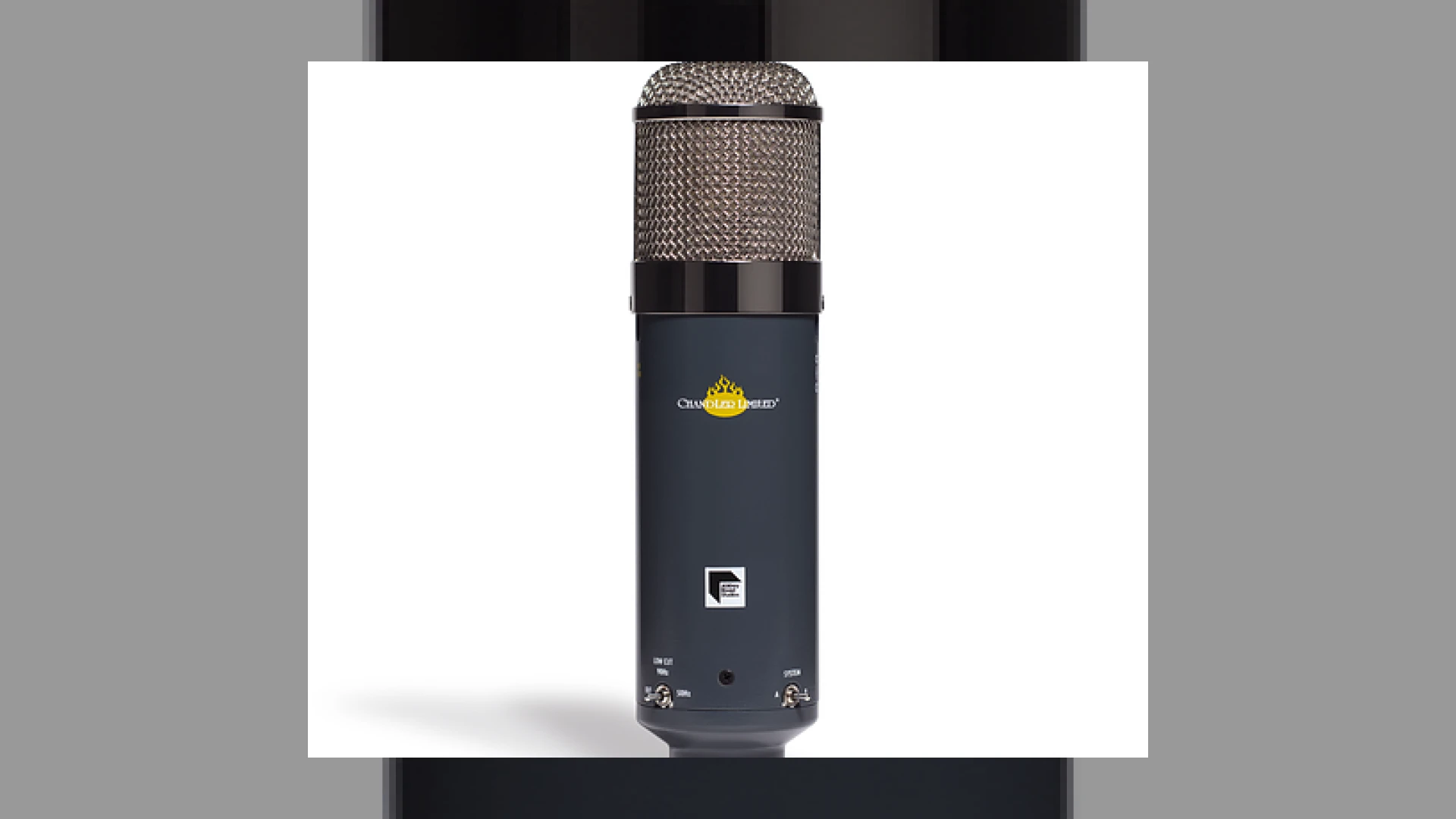
Visual context for Chandler launch Abbey Road TG Microphone.
When the industry first heard about the chandler launch abbey road tg microphone, expectations were sky-high. Following the massive success of their tube-driven REDD system, Chandler Limited has deepened its collaborative bond with Abbey Road Studios to deliver a solid-state marvel. This large-diaphragm condenser microphone is not merely a reproduction; it is an innovative, high-fidelity tool designed to capture the classic EMI TG analog warmth while providing unprecedented modern flexibility. At SM Mastering, we analyze how these hardware milestones impact both tracking and final hybrid master workflows.
Deconstructing the Chandler Launch Abbey Road TG Microphone
The engineering choices behind the chandler launch abbey road tg microphone reflect a deep respect for vintage EMI consoles. Unlike standard solid-state microphones that rely solely on standard 48V phantom power, this unit features its own dedicated power supply. This ensures the discrete TG amplifiers run at optimal voltages, delivering immense headroom and preserving transient detail. For a deeper look at advanced recording and mastering workflows, check out our collection of SM Mastering Audio Articles.
At the heart of its sonic versatility is the onboard Tape Equalizer section, adapted from the historic EMI TG12410 mastering console. This passive network allows engineers to select various EQ curves, reshaping the microphone’s frequency response right at the capsule. By examining how the chandler launch abbey road tg microphone behaves under high SPL, engineers can replace multiple vintage microphones with just one unit. The system features a “Dual Tone” voicing switch. System A delivers the classic mid-forward, open, and vibrant sound associated with vintage British recordings. System B, on the other hand, handles extreme sound pressure levels, making it highly comparable to legendary classic FET designs by brands like Neumann.
This dual-voicing capability, coupled with the switchable low-cut filters (operating at 50Hz and 90Hz), allows the microphone to morph from a warm vocal workhorse into an aggressive kick drum or brass transducer. Many early reviewers compare its versatility to the classic AKG C414 EB, yet it retains a distinct, creamy solid-state character that is entirely unique. Ultimately, the legacy established by the chandler launch abbey road tg microphone redefines what modern solid-state microphones can achieve in both project studios and world-class commercial spaces.
Technical Specifications
| Name | Use | Price | Rating |
|---|---|---|---|
| Chandler Limited Abbey Road TG Microphone | Vocals, Drums (Kick/Room), Brass, Acoustic Instruments, Voiceover | Approx. $1,899.00 USD | 4.9 / 5.0 Stars |
Practical Studio Workflow Tips
- Vocal Sculpting with Tape EQ: Avoid heavy post-processing plug-ins by using the onboard Tape EQ settings during tracking. Start with flat settings and cycle through the curves to find the perfect presence boost for your vocalist’s unique tone.
- The Double-Kick Setup: Flip the voicing to System B and position the TG Microphone outside the kick drum shell. The high SPL handling captures massive low-end punch without digital clipping or analog distortion.
- Matching with Mastering Preamps: Run the TG microphone through a high-headroom preamp. Since it uses an external power supply, the output impedance is incredibly stable, allowing for a pure signal path ideal for hybrid analog mastering.
Conclusion
The Chandler Limited Abbey Road TG Microphone represents a massive leap forward for hybrid studio environments. Combining historical design choices with modern workflow demands, it acts as a chameleon in the tracking room while retaining the legendary analog character of Abbey Road Studios.
Frequently Asked Questions
Why does the TG Microphone require an external power supply?
Unlike standard FET microphones that use 48V phantom power, the TG Microphone uses a dedicated external power supply to run its discrete solid-state amplifier circuits at their optimal voltage. This significantly increases headroom and dynamic range.
What is the difference between Voicing System A and System B?
System A offers the classic, mid-forward, open sound associated with vintage Abbey Road EMI consoles. System B is optimized for extremely high sound pressure levels (SPL), making it perfect for loud sources like kick drums, bass cabinets, and brass.
Can the onboard Tape EQ replace my preamp EQ?
Yes, in many cases. The onboard passive Tape Equalizer is designed to shape the tone at the capsule level before the signal hits your preamp, allowing for cleaner, more natural-sounding frequency adjustments.
🛒 Official Product Info & Where to Buy
Check full technical specs, pricing, and purchase options directly from the official manufacturer or authorized dealer for Chandler launch Abbey Road TG Microphone.

Written by SM Mastering
Official content on sound engineering, mixing, mastering, and advanced electronic production by SM Mastering.