As audio professionals, we are constantly evaluating the frontier of microphone technology. The industry is buzzing because dpa’s new 3mm subminiature mics are vanishingly small without compromising on audio quality. For years, engineers had to choose between visual transparency and raw acoustic fidelity. Typically, shrinking a capsule meant sacrificing dynamic range and increasing the noise floor. DPA has shattered this compromise with their 6000 Series subminiature microphones, establishing a new gold standard for film, theatrical, and broadcast applications.
At SM Mastering, we understand that high-quality sound starts at the source. Capturing clean, uncolored transient details during tracking ensures that the subsequent mixing and mastering stages yield pristine, professional results. Our team at SM Mastering Audio Articles tracks these innovations to help you make informed decisions for your studio and field recording setups.
How dpa’s new 3mm subminiature mics are vanishingly small
When analyzing the technical specifications, it is astonishing to note that dpa’s new 3mm subminiature mics are vanishingly small due to a complete redesign of the capsule housing, shrinking it by 60% compared to the legacy 4000 Series. DPA’s engineering team achieved this breakthrough by shrinking the physical components while preserving the proprietary CORE preamplifier technology launched recently. This integration allows these subminiature capsules to capture subtle vocal nuances with the same lower self-noise rating as their larger cousins.
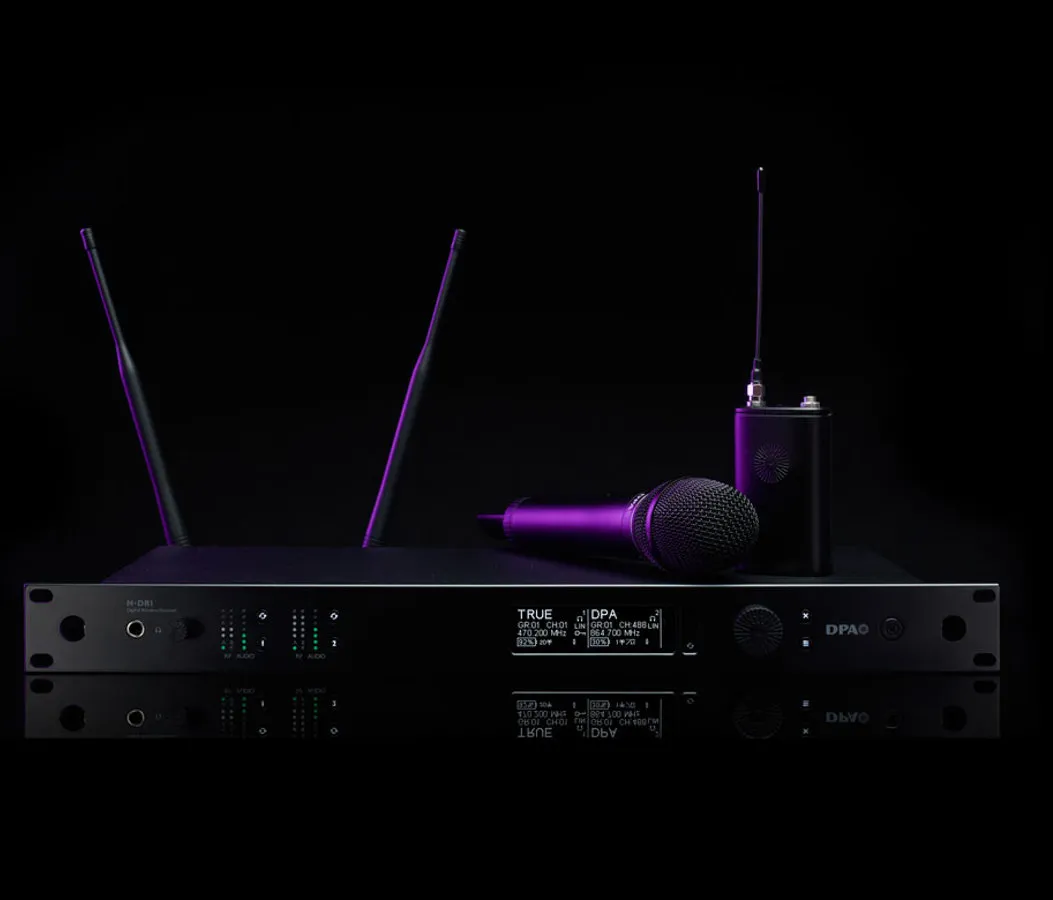
Additional product view and interface angle for DPA’s new 3mm subminiature mics are vanishingly small.
Historically, microcapsules suffered from a higher noise floor because a smaller diaphragm naturally registers fewer acoustic pressure variations relative to thermal noise. However, DPA’s physical housing re-engineering ensures that these capsules maintain an impressive dynamic range. Just as industry-leading manufacturers like Neumann focus on diaphragm optimization to maximize signal-to-noise ratios in large condenser mics, DPA has pushed the limits of physics on a microscopic scale.
Technical Specifications & Comparison
To help you understand how these microcapsules perform in real-world scenarios, we have put together a breakdown of the primary configurations in the 6000 Series:
| Name | Use | Price | Rating |
|---|---|---|---|
| DPA 6060 Subminiature Lavalier (Normal SPL) | Film production, theater, TV broadcasting | $849.00 | 4.9 / 5.0 |
| DPA 6061 Subminiature Lavalier (Loud SPL) | Live music performance, high-decibel acting | $849.00 | 4.8 / 5.0 |
| DPA 6066 Subminiature Headset | Theater performance, presentation, corporate events | $989.00 | 4.9 / 5.0 |
Practical Field and Studio Workflow Tips
During live theatre production or film set capture, the fact that dpa’s new 3mm subminiature mics are vanishingly small means they can be hidden effortlessly in hair, makeup, or costume seams. Here are some professional workflow tips to maximize their utility:
- Optimal Placement: Place the subminiature lavalier close to the center of the chest for a balanced frequency response. If placement in the hair is required, use a frequency correction EQ curves to compensate for the high-end loss caused by the skull’s acoustic shadow.
- Managing High SPL: Use the 6061 variant if you are recording instruments or actors with powerful projection. The 6061 is rated to handle up to 144 dB peak SPL before clipping, preventing capsule distortion.
- Keep It Clean: Despite their IP58 certified moisture-resistant coating, always clean the microcapsule grid gently with distilled water after heavy theatrical use to remove makeup residue and sweat.
Many engineers worry about self-noise in microcapsules, but because dpa’s new 3mm subminiature mics are vanishingly small while keeping the famous CORE preamplifier architecture, they manage to maintain an incredibly low noise floor of just 24 dB(A). This is crucial for quiet sound design and cinematic dialogues where post-production compression can easily amplify unwanted hiss.
Conclusion
Ultimately, even though dpa’s new 3mm subminiature mics are vanishingly small, they sound remarkably full-bodied, making them an indispensable tool for high-end audio acquisition. For broadcasters, film sound recordists, and live sound engineers, upgrading to the DPA 6000 Series represents a significant step forward in both concealment and uncompromising acoustic fidelity.
Frequently Asked Questions
Can the DPA 6000 Series withstand sweat and moisture?
Yes, DPA’s subminiature microphones are built with a highly resilient water-repellent coating. The design includes a gold-treated diaphragm and housing that achieves an IP58 certification, ensuring reliable operation even in humid environments or intense theatrical stages.
Do these 3mm mics sound as good as the larger 5mm 4000 series?
Remarkably, yes. By utilizing CORE preamplifier technology, DPA has matched the distortion threshold and dynamic range of the 4000 Series, meaning you get the same premium sonic performance in a footprint that is 60% smaller.
What adapters are available for connecting to wireless systems?
DPA uses the MicroDot connector system, allowing you to easily adapt the microphones to almost any major wireless transmitter brand, including Shure, Sennheiser, Lectrosonics, and Wisycom, using their wide catalog of interchangeable adapters.
🛒 Official Product Info & Where to Buy
Check full technical specs, pricing, and purchase options directly from the official manufacturer or authorized dealer for DPA’s new 3mm subminiature mics are vanishingly small.

Written by SM Mastering
Official content on sound engineering, mixing, mastering, and advanced electronic production by SM Mastering.