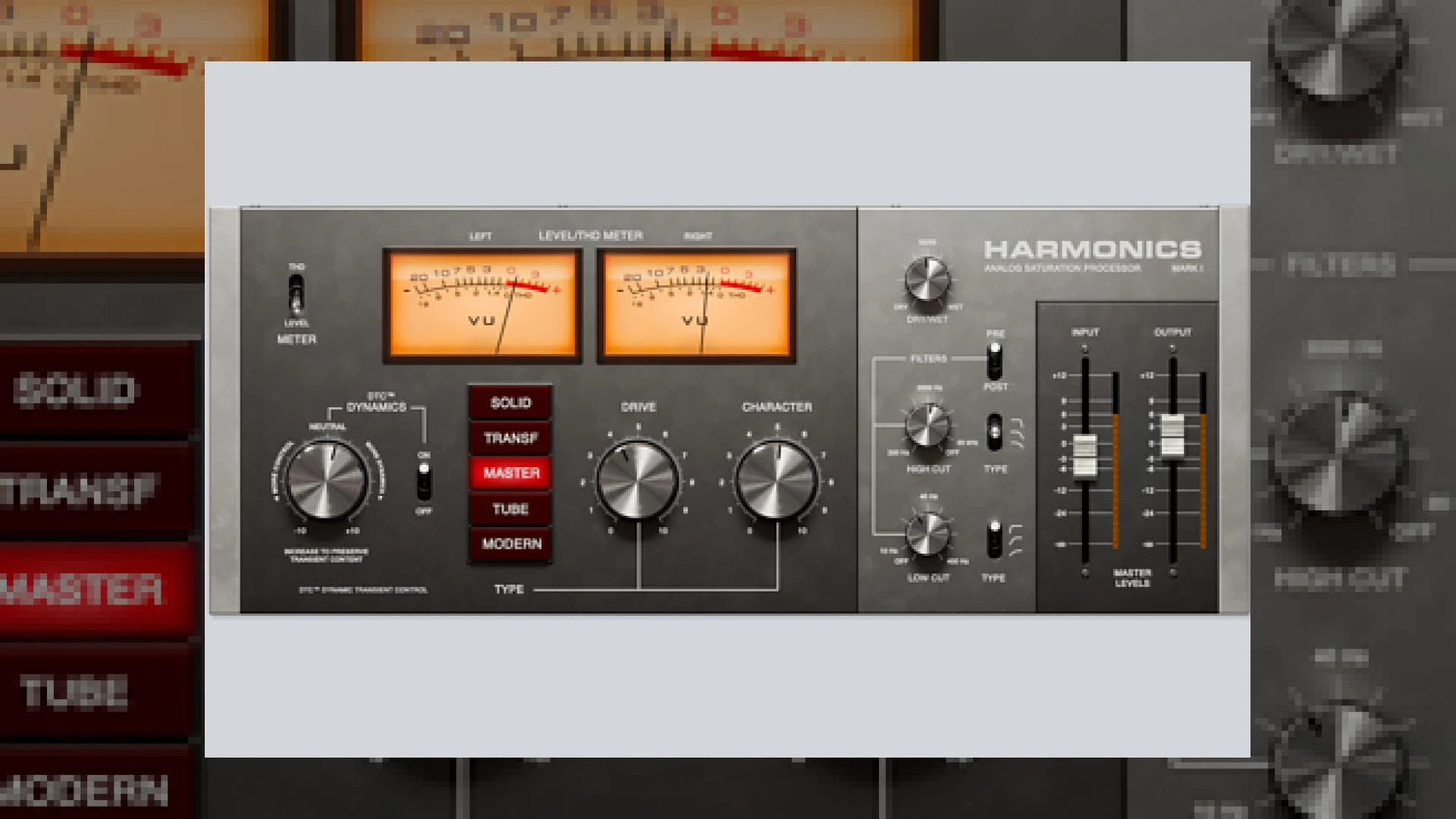
Visual context for Softube launch Harmonics dynamic distortion plug-in.
In the modern digital audio workspace, saturation and distortion have evolved from being unwanted technical flaws into essential creative tools. Whenever a major developer releases a new saturation tool, the industry takes note. The recent softube launch harmonics dynamic distortion plug-in announcement has certainly turned heads in the mastering and mixing community. While the market is flooded with analogue saturation emulations, Softube’s latest endeavor promises to solve one of the most persistent issues in digital distortion: the loss of transient detail and dynamic impact.
When we apply traditional saturation to a stereo mix or a dynamic group, the transient peaks are typically the first elements to get shaved off. While this can help control dynamic range, it often leaves drums sounding flat and vocals buried in the mix. Softube’s new approach addresses this specific limitation directly, offering a specialized dynamics-tracking engine that intelligently preserves the integrity of your audio signals while still delivering classic analogue warmth and grit.
Analyzing the Softube Launch Harmonics Dynamic Distortion Plug-in
For mastering and mixing engineers, the softube launch harmonics dynamic distortion plug-in offers a revolutionary approach to handling signal clipping and saturation. At the heart of this tool is its proprietary ‘Dynamic Transient Control’ technology. Instead of statically applying distortion to the entire signal, the plug-in actively analyzes the incoming transient profile. It applies the saturation characteristics of its modeled circuitry while ensuring that the punch and impact of your transients remain intact. This means you can drive a drum bus or a full master into heavy saturation without losing the snap of the snare or the punch of the kick.
To provide a wide palette of sonic textures, Softube has included five distinct, component-modeled analogue distortion styles. Each model represents a classic style of harmonic generation, ranging from subtle tube warmth to aggressive solid-state clipping. This versatile palette makes it highly comparable to industry classics from developers like Universal Audio and Soundtoys, yet it carves out its own niche due to its unique dynamics engine. Additionally, the inclusion of variable low-cut and high-cut filters allows engineers to restrict the distortion to specific frequency bands, keeping the low-end clean and the top-end free of harsh, aliased frequencies.
Technical Specifications
To help you understand where this processor fits in your system, here is a quick overview of its specifications and pricing structure:
| Specification | Details |
|---|---|
| Product Name | Softube Harmonics Analog Saturation Processor |
| Primary Use | Dynamic Saturation, Transient Preservation, Parallel Distortion |
| Key Technology | Dynamic Transient Control, 5 Component-Modeled Distortion Types |
| Pricing | Introductory price of $99 (Regularly $149 after promotional period) |
| SM Mastering Rating | 9.2 / 10 |
Practical Studio Workflow Tips
When incorporating the softube launch harmonics dynamic distortion plug-in into your master bus or mixing chain, moderation is key. Here are a few practical tips from our senior engineers at SM Mastering to help you get the most out of this powerful tool:
- Parallel Processing: Use the onboard mix knob to blend the saturated signal with your dry track. This is particularly effective on lead vocals and parallel drum buses where you want the character of the distortion without overwhelming the original source.
- Preserving the Master Punch: When mastering, set the Dynamic Transient Control to a higher percentage to let the initial drum transients pass through unaffected, while the sustain of the mix benefits from the dense harmonic excitement.
- Frequency Band Targeting: Use the high and low-cut filters to focus the saturation on the midrange. By leaving the ultra-low sub frequencies clean, you avoid muddying up the master fader.
For more detailed guides on how to structure your mastering chains and optimize dynamic processors, feel free to explore our collection of resources over at the SM Mastering Audio Articles hub.
Conclusion
Ultimately, the softube launch harmonics dynamic distortion plug-in fills a major gap in the digital processor market. By marrying component-modeled analogue saturation with smart, dynamic transient preservation, Softube has provided engineers with a tool that can add character, warmth, and loudness without the typical sonic compromises. Whether you are looking to add subtle glue to a delicate acoustic master or bring aggressive grit to an electronic mix, this plug-in represents a significant step forward in hybrid dynamics processing.
Frequently Asked Questions
What is Dynamic Transient Control?
Dynamic Transient Control is Softube’s proprietary technology that analyzes incoming audio signals to protect the initial transient peaks from being flattened by the distortion process. This allows you to apply heavy saturation while maintaining the punch and dynamics of the original source.
Can this plug-in be used on a stereo mastering bus?
Yes, absolutely. Thanks to its dynamic control parameters, built-in filters, and parallel mix control, it is exceptionally well-suited for mastering applications where subtle harmonic enhancement and stereo glue are desired without sacrificing dynamic range.
What are the five distortion styles modeled in the plug-in?
The plug-in features five distinct component-modeled analogue styles designed to replicate various hardware circuitry, including vintage vacuum tubes, modern solid-state consoles, and aggressive transformer-based saturation paths, giving you a wide range of tonal options.
🛒 Official Product Info & Where to Buy
Check full technical specs, pricing, and purchase options directly from the official manufacturer or authorized dealer for Softube launch Harmonics dynamic distortion plug-in.
Written by SM Mastering
Official content on sound engineering, mixing, mastering, and advanced electronic production by SM Mastering.