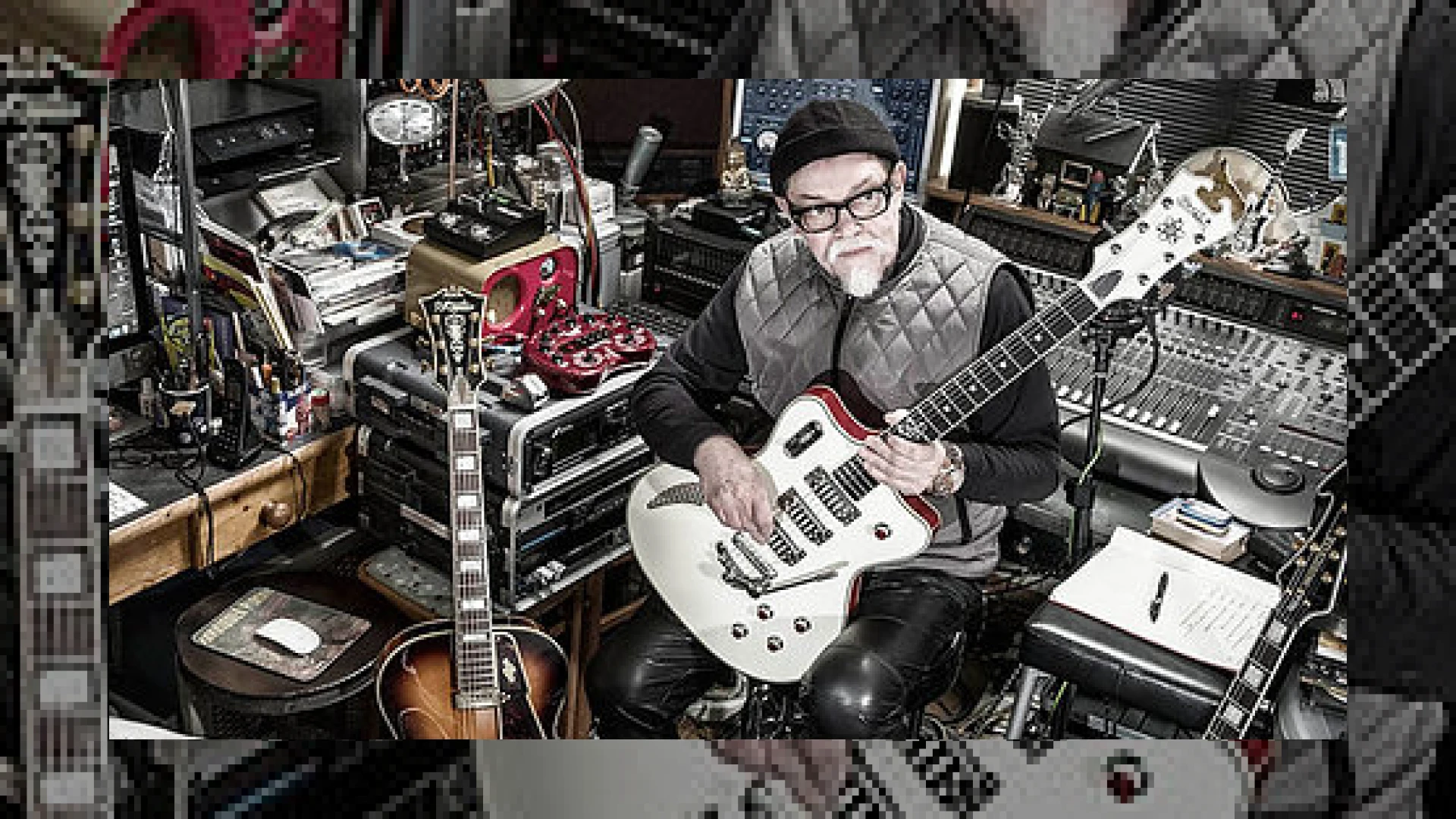
Visual context for Plectronica – Bill Nelson at 70.
As audio mastering engineers, we are constantly analyzing how legendary artists transition their intricate studio soundscapes onto the live stage. Bill Nelson, a pioneer of art-rock, synth-pop, and ambient guitar styling, has spent over four decades pushing the boundaries of home recording and live performance. To celebrate his immense contribution to music, we are taking a deep dive into the technical and sonic setup of the landmark event, plectronica – bill nelson at 70, which marks his milestone 70th birthday concert at the University of Leeds.
Capturing the nuance of a multi-instrumentalist who seamlessly blends electronic sequences with soaring, e-bow-laden guitar textures presents unique challenges for live recording and subsequent mastering. At SM Mastering Audio Articles, we regularly analyze how such hybrid performances are captured and preserved for post-production, streaming, and physical release formats.
Analyzing the Audio Production of plectronica – bill nelson at 70
The concert itself represents a masterclass in minimalist yet highly expressive performance routing. The first half of the show features an eleven-track solo set, requiring a pristine signal chain to ensure that Bill’s live guitar improvisations sit perfectly atop pre-recorded backing tracks without sounding detached or muddy. For an audio engineer, balancing a solo performer with stereo backing tracks requires careful management of the mid-side (M/S) matrix to keep the lead guitar focused in the center while the ambient synth washes spread wide across the stereo field.
In the second half of the show, Bill is joined by guest musicians Theo Travis and Dave Sturt to form the ad hoc ensemble *Orchestra Futura*. From an audio perspective, introducing woodwinds and dynamic bass into an already dense electronic environment requires precise dynamic control. Live streaming audio processors, such as those designed by Universal Audio, are often employed at the broadcast broadcast stage to limit transient peaks without destroying the natural dynamics of the woodwind instruments.
When preparing the broadcast audio for a project like plectronica – bill nelson at 70, engineers must optimize the mix for various consumer playback systems, ranging from high-end hi-fi setups to laptop speakers. This is achieved by utilizing surgical EQ cuts in the low-mid frequencies (around 250 Hz to 400 Hz) where live room accumulation and synth resonances often build up, ensuring the master remains clear and punchy.
Production Specifications and Stream Details
Below is an overview of the key performance parameters and technical specs associated with the broadcast and mastering considerations of this milestone event:
| Name | Use / Type | Price | Rating |
|---|---|---|---|
| Live Webcast Access | Real-time stereo audio and video broadcast | Pay-Per-View Ticket | 4.8 / 5.0 |
| Orchestra Futura Live Mix | Multi-instrument integration (Guitar, Sax, Bass) | Included in stream | 4.9 / 5.0 |
| On-Demand Archive | Post-event pay-per-view access (up to Dec 31st) | Included with ticket | 4.7 / 5.0 |
Practical Studio Workflow Tips for Ambient Guitar Production
If you are looking to emulate the lush, expansive textures heard during plectronica – bill nelson at 70 in your own home studio, follow these professional routing and processing tips:
- Parallel Space Routing: Avoid putting heavy reverb directly on your guitar channel insert. Instead, route your guitar to an auxiliary send with a 100% wet lush plate or shimmer reverb. This keeps your dry transients intact while allowing you to compress or EQ the reverb tail independently.
- Managing High-End Harshness: Ambient guitar solos using e-bows and heavy delays can build up harsh frequencies around 3 kHz to 6 kHz. Use a dynamic EQ to pull down these specific frequencies only when they exceed a certain threshold.
- Stereo Imager Calibration: When mixing synths and guitars together, keep low-frequency elements (below 120 Hz) strictly in mono. Use a stereo imager to gently widen frequencies above 1 kHz to create a wrap-around field for the listener.
Conclusion
The legacy of plectronica – bill nelson at 70 serves as a testament to the timeless appeal of art-rock and electronic experimentation. By understanding the balance between delicate acoustic performances, live electronic backing, and modern mastering practices, engineers can successfully translate these complex sonic tapestries to listeners worldwide, whether through a live streaming platform or a final mastered vinyl release.
Frequently Asked Questions
What is the core setup for the Orchestra Futura performance?
Orchestra Futura is an ad hoc ensemble formed specifically for this event. It features Bill Nelson on guitar and electronics, joined by Theo Travis on woodwinds/flute, Dave Sturt on bass, and an additional special guest, creating a rich hybrid of ambient, jazz, and electronic textures.
How was the audio mastered for the live stream?
Live streams are generally processed using high-headroom peak limiters and multiband compressors set to gentle ratios (1.5:1) to ensure the audio does not clip on consumer devices while maintaining the dynamic range of the live performance.
Where can I watch the recorded Plectronica stream?
The live event is recorded and made available on-demand via the official pay-per-view site. It provides fans worldwide with a high-fidelity archive of the performance to enjoy on their home audio systems.
Written by SM Mastering
Official content on sound engineering, mixing, mastering, and advanced electronic production by SM Mastering.