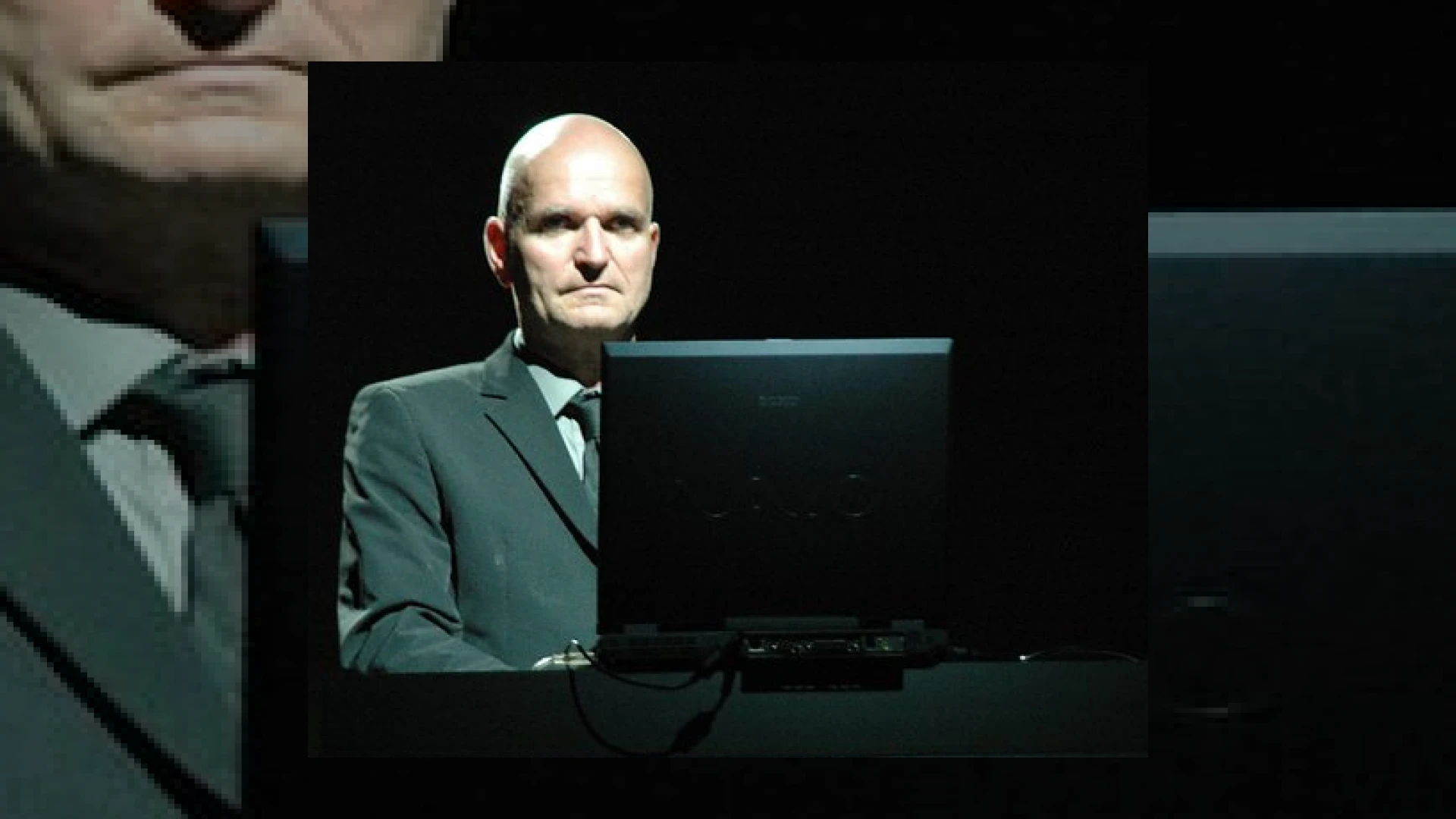
Visual context for Kraftwerk co-founder Florian Schneider dies aged 73.
The electronic music community is in deep mourning as news breaks that kraftwerk co-founder florian schneider dies aged 73. As mastering engineers at SM Mastering, we constantly look back at the pioneers who shaped the sonic landscapes we work on today. Florian Schneider was not just a musician; he was a visionary sound designer whose clinical yet deeply emotional approach to synthesis, vocoding, and electronic percussion laid the groundwork for modern techno, synth-pop, and hip-hop. His passing on May 6th, 2020, marks the end of an era, but his immense legacy remains embedded in every synthesizer wave and processed transient we shape in the studio.
Reflecting on the News: Kraftwerk Co-Founder Florian Schneider Dies Aged 73
When we process electronic tracks, we are directly interacting with a sonic DNA that Schneider helped write. Now that the news that kraftwerk co-founder florian schneider dies aged 73 has settled into the history books, we must analyze his technical contributions to music production. From his early use of modified acoustic flutes with custom electronic pickups to his embrace of legendary Neumann microphones and custom vocoders, Schneider treated the studio as a laboratory. His quest for sonic purity revolutionized the way we perceive stereo imaging, frequency separation, and synthesizer textures in mastering.
At SM Mastering, we often reference classic albums like Trans Europe Express and Autobahn when calibrating our monitors or testing mid-side processing matrices. The announcement that kraftwerk co-founder florian schneider dies aged 73 reminds us of the meticulous discipline required to achieve such timeless frequency balance. Kraftwerk’s minimalist arrangements left no room for error; every bleep, white-noise snare, and synthesized bassline occupied a highly specific frequency band. If you want to dive deeper into our technical analyses of classic electronic music production, feel free to explore our SM Mastering Audio Articles.
To truly honor the sound design ethos of Florian Schneider, we must look at the technical specifications of the core hardware tools he manipulated. Below is a breakdown of iconic vintage and modern tools used to recreate the signature Kraftwerk aesthetic in a modern mastering and production environment.
Technical Gear & Specifications for Kraftwerk-Style Production
| Gear Name | Primary Use in Studio | Estimated Price (USD) | Expert Rating (Out of 5) |
|---|---|---|---|
| Minimoog Model D | Analog Bass & Lead Synthesis | $4,999 (Reissue) | 5.0 / 5.0 |
| Sennheiser VSM-201 (or modern emulation) | Robotic Vocal Processing | $15,000+ (Vintage) | 4.9 / 5.0 |
| Doepfer A-100 Modular | Experimental Sound Design & Sequencing | $1,500 (Basic Setup) | 4.8 / 5.0 |
| Neumann U87 Ai | Clean Vocal & Acoustic Flute Capture | $3,695 | 4.9 / 5.0 |
Practical Studio Workflow Tips to Achieve the Kraftwerk Aesthetic
To capture the clinical, timeless essence of Kraftwerk’s records, engineers should implement specific, highly disciplined workflow strategies:
- Precise Transient Shaping: Keep your synthesizer envelopes incredibly tight. Kraftwerk relied on short decay times to maintain rhythmic clarity. Use high-quality transient shapers to eliminate unnecessary tail rumble in your low-mid percussion.
- Frequency Separation: Avoid overlapping frequencies. In a classic Kraftwerk arrangement, the bassline, vocal, and lead synth never battle for the same space. Utilize high-pass filters at 30Hz on everything except the main kick and sub-bass to preserve headroom.
- Synthetic Vocal Vocoding: When using a vocoder, use a bright, harmonic-rich carrier signal (such as a sawtooth wave) and high-pass the modulator signal (the vocal) around 150Hz. This ensures maximum intelligibility and that signature robotic clarity.
- Subtle Dynamic Mastering: Avoid over-compressing the master bus. Kraftwerk’s music relies on dynamic contrast. Apply slow-attack, fast-release master compression (like an SSL G-Comp style) with no more than 1.5dB to 2dB of gain reduction to glue the mix without destroying the transients.
As we look back on his life, the headline kraftwerk co-founder florian schneider dies aged 73 serves as a solemn reminder of how fleeting time is, yet how permanent great art can be. By applying his rigorous, German-engineering-inspired precision to our modern digital audio workstations, we keep the spirit of his innovations alive for generations of producers to come.
Frequently Asked Questions
What was Florian Schneider’s primary role in Kraftwerk?
Florian Schneider was a co-founder, multi-instrumentalist, and sound designer. He started as an acoustic flute player and violinist, transitioning those sounds through tape delays and synthesizers, which eventually led to his pioneering work with custom-built vocoders, electronic speech synthesizers, and modular synthesizers.
How can I achieve the vintage vocoder sound heard on Kraftwerk tracks?
To replicate the classic Kraftwerk vocal sound, you can use high-end hardware like the Sennheiser VSM-201 or software emulations like the Softube Vocoder or iZotope VocalSynth. The key is using a rich synthesizer wave (like a sawtooth or pulse wave with moderate PWM) as your carrier and ensuring the modulator signal has a strong, clear high-frequency content for vocal articulation.
Why is the mastering on Kraftwerk’s early albums considered so legendary?
Kraftwerk’s early mastering is celebrated because of its incredible stereo imaging, dynamic range, and tonal balance. Operating in a time before digital limiters, the band and their engineers relied on superb acoustics, pristine mic placements, analog tape saturation, and minimal console EQ to maintain a clean, punchy, and highly separated soundstage.
Written by SM Mastering
Official content on sound engineering, mixing, mastering, and advanced electronic production by SM Mastering.