
Visual context for Aston reveal the Element.
When the engineers at Aston reveal the Element, they aren’t just launching another studio microphone; they are presenting a masterclass in crowdsourced acoustic engineering. For years, the microphone industry has relied on legacy designs and the proprietary signatures of classic brands. Aston Microphones decided to bypass traditional corporate development by putting the final sound of their new active dynamic microphone directly into the hands of the public. Through a series of extensive, multi-stage blind listening tests, audio engineers, producers, and home studio enthusiasts around the globe got to vote on prototype variants, actively shaping the frequency response and overall character of this innovative transducer.
At SM Mastering, we love analyzing how new microphone architectures affect the final master, as the initial tracking stage dictates the transient clarity and harmonic depth of the finished stereo file. You can read more about tracking and mastering optimization in our SM Mastering Audio Articles section. By utilizing public-led voting, the development process helped Aston reveal the Element as a unique tool engineered specifically to meet the sonic preferences of modern music creators.
The Public Voting Behind Aston Reveal the Element
The core of the Aston Element development scheme was its ambitious blind testing structure. Rather than relying solely on laboratory measurements, Aston invited thousands of participants to download raw audio files of various instruments and vocal performances. These files were recorded using several anonymous competitor microphones alongside the developing Aston prototype. Voters ranked the microphones purely on subjective preference, describing characteristics like brightness, warmth, and mid-range scoop.
By analyzing thousands of blind listening tests, the design team was able to refine the capsule sound before we saw Aston reveal the Element to the public. The lowest-performing prototypes were systematically eliminated after each voting round. This democratic method ensured the microphone could compete with industry-standard vocal mics from legendary manufacturers like Neumann, but at a fraction of the cost.
Technical Specifications
The Aston Element features a proprietary Ridgemount capsule, combining the best aspects of dynamic, condenser, and ribbon technologies. Below is a breakdown of its key specifications:
| Name | Use | Price | Rating |
|---|---|---|---|
| Aston Element | Vocal & Acoustic Instrument Tracking | Approx. $99 / £79 | 4.7 / 5 |
Practical Studio Workflow Tips for the Aston Element
Integrating this unique active dynamic microphone into your daily tracking workflow requires a few adjustments compared to standard dynamic or condenser microphones:
- Utilize the Active Architecture: Unlike standard dynamic microphones, the Element requires 48V phantom power to operate its active internal circuitry. This active design provides a much higher output level, meaning you do not need an ultra-high-gain preamp to get a clean signal.
- Embrace the Proprietary Shockmount: The Element comes bundled with a custom-designed proprietary shockmount and magnetic pop filter. Always use them, as the high sensitivity of the capsule makes it susceptible to low-end floor vibrations and plosives.
- Vocal Distance Management: Due to its tailored proximity effect, keep vocalists roughly 4 to 6 inches away from the capsule for a balanced, intimate response. Moving closer yields a thick, radio-ready broadcast tone.
Conclusion
As we look at the results of this project, we see that the decision to have Aston reveal the Element with an active moving-coil design represents a major leap forward for affordable studio gear. By combining direct consumer feedback with rigorous engineering, Aston has delivered a microphone that is highly sensitive, remarkably quiet, and tailored to sound great right out of the box. For project studios looking to upgrade their vocal chains, the Element stands out as a powerful, democratic triumph.
Frequently Asked Questions (FAQ)
What makes the Aston Element different from standard dynamic mics?
The Aston Element features a unique active moving-coil capsule design (referred to as the Ridgemount capsule) that behaves like a dynamic mic in terms of durability and high SPL handling, but delivers the fast transient response and high output levels of an active condenser microphone.
Does the Aston Element require phantom power?
Yes. Because the Element is an active dynamic microphone, it requires +48V phantom power to run its internal impedance conversion and amplification circuitry.
Can the Aston Element be used for recording acoustic guitars?
Absolutely. Its fast transient response and balanced mid-range make it highly capable of capturing the natural woodiness and string definition of acoustic guitars, group backing vocals, and even guitar cabinets.
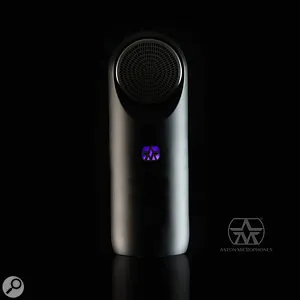
Additional product view and interface angle for Aston reveal the Element.
🛒 Official Product Info & Where to Buy
Check full technical specs, pricing, and purchase options directly from the official manufacturer or authorized dealer for Aston reveal the Element.

Written by SM Mastering
Official content on sound engineering, mixing, mastering, and advanced electronic production by SM Mastering.