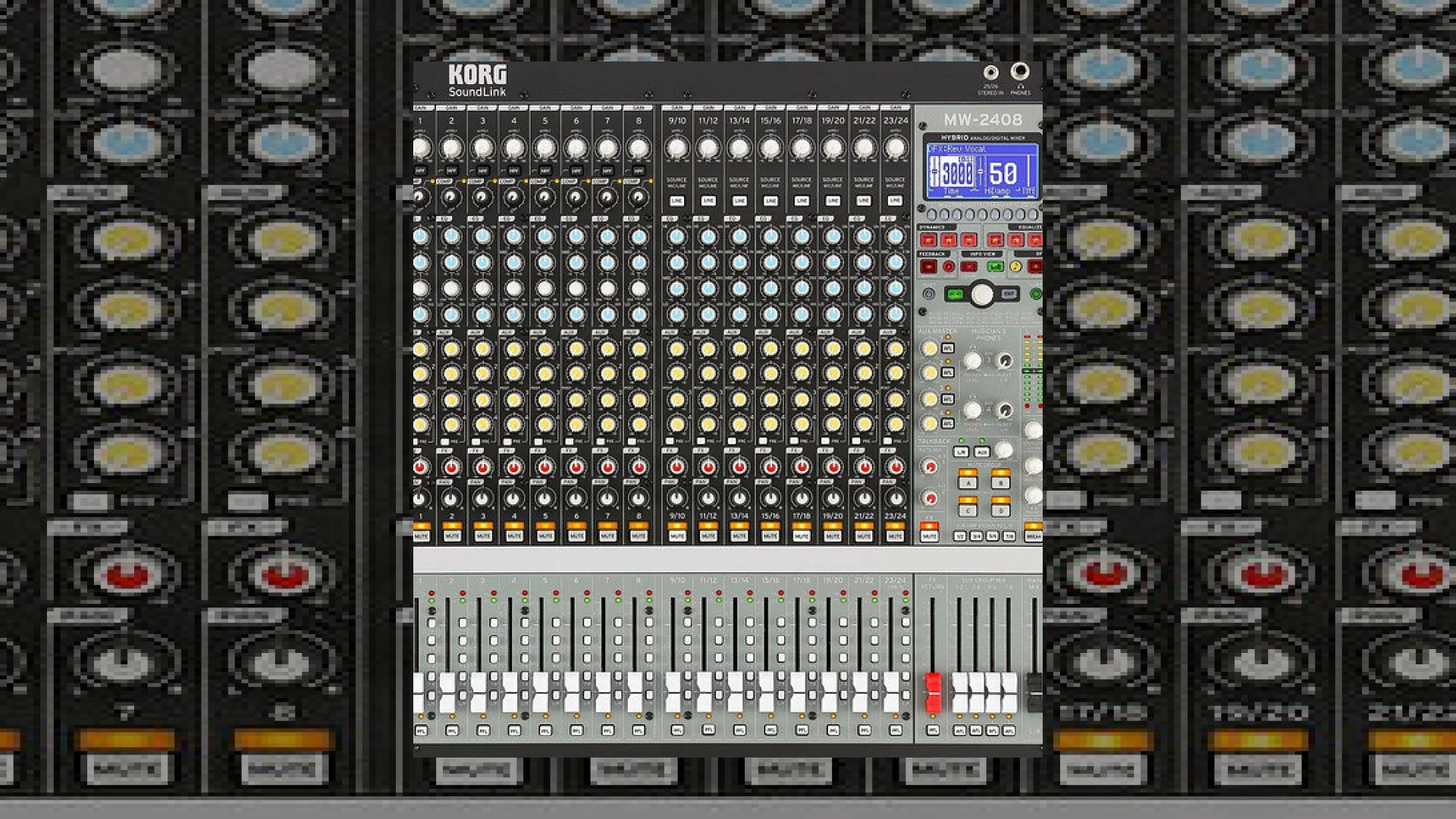
Visual context for Korg SoundLink mixers now shipping.
The pro audio landscape is experiencing a significant shift as tactile, hybrid workflows become the preferred standard for both project studios and live sound venues. We are thrilled to analyze a highly anticipated release that bridges the gap between classic analog character and advanced digital control. Originally teased at NAMM, the industry is buzzing with the news of the **korg soundlink mixers now shipping**, bringing a unique collaboration of legendary analog minds directly into the hands of modern mix engineers and producers.
Developed in tandem with analog mixing pioneers Greg Mackie and Peter Watts (famed for his extensive R&D tenure at Trident Audio Developments), these mixers represent a formidable “best-of-both-worlds” design. Rather than forcing engineers to choose between the immediate, warm summing of analog hardware and the precision of digital effects, Korg has successfully integrated both paradigms into a cohesive, highly roadworthy chassis.
Technical Analysis: Why Korg SoundLink Mixers Now Shipping Matter
The core philosophy behind these consoles lies in their pristine hybrid preamplifier and EQ stages. Designed by Peter Watts, the preamps deliver an exceptionally low noise floor and massive headroom, reminiscent of classic British recording consoles. When executing high-fidelity tracking, combining these preamps with premium microphones from manufacturers like Neumann yields a level of depth and clarity that pure digital interfaces often struggle to replicate.
With the **korg soundlink mixers now shipping**, engineers have a robust platform for both live and studio tracking. The lineup is divided into two main models: the MW-2408 and the MW-1608. Both units utilize the exact same high-headroom architecture and digital DSP engine, differing only in physical channel count. The MW-1608 features 16 channels (8 mono, 4 stereo), while the larger MW-2408 expands this to 24 channels (8 mono, 8 stereo). The mono channels boast Peter Watts’ custom-designed, musical one-knob compressor, allowing engineers to tame dynamics quickly without introducing unwanted artifacts.

Additional product view and interface angle for Korg SoundLink mixers now shipping.
Analog Warmth Meets Digital Precision
On the digital side, Korg has implemented a high-grade 32-bit digital effects engine. This section doesn’t merely offer standard utility reverbs; it features realistic halls, delays, chorus, and even a dedicated feedback suppressor. For modern hybrid setups, routing your summing stems through these channels allows for subtle, natural acoustic glue before sending the final mix back to your DAW for mastering. If you are looking to optimize your overall studio setup or learn more about hybrid summing techniques, feel free to explore our comprehensive guides on the SM Mastering Audio Articles database.
Specifications & Product Comparison
| Model Name | Primary Use Cases | Estimated Retail Price | Expert Rating |
|---|---|---|---|
| Korg SoundLink MW-1608 | Project Studios, Small Bands, Podcasting, Live Hybrid Sub-mixing | $999 USD | 4.7 / 5 Stars |
| Korg SoundLink MW-2408 | Full Band Recording, Venues, Complex Multi-Instrument Setups | $1,299 USD | 4.8 / 5 Stars |
Practical Studio Workflow Tips for SoundLink Mixers
When integrating the **korg soundlink mixers now shipping** into a hybrid mastering or mixing environment, setup efficiency is key. Here are several expert tips to maximize these consoles in your daily workflow:
- Utilize the Mute Groups: The MW series features innovative physical Mute Groups (A/B/C/D). Use these to instantly switch between active tracking setups and reference monitors without needing to click around your DAW.
- Dial in the One-Knob Compressor: Use the Peter Watts-designed compressor on dynamic vocalists or acoustic guitars during tracking. A subtle twist (around the 9 to 11 o’clock position) provides smooth leveling that cuts down on digital plugin processing later.
- Exploit the Hybrid EQ: Use the swept-mid EQ on the mono channels to carve out boxy frequencies (around 300Hz to 600Hz) before the signal hits your analog-to-digital converters. This preserves precious dynamic range for the mastering stage.
Conclusion
Ultimately, seeing the **korg soundlink mixers now shipping** signals a massive win for audio purists who still value physical tactile control and analog summing character. By blending the legendary console design heritage of Trident and Mackie with Korg’s proprietary digital DSP, these hybrid consoles offer an unparalleled workflow for project studio owners, live engineers, and modern producers alike.
Frequently Asked Questions
Can I use the Korg SoundLink mixers as a multi-channel USB recording interface?
No, the Korg SoundLink series is designed primarily as a hybrid analog mixer with a stereo USB output. This means you can record the stereo master mix directly into your DAW or play back a stereo return from your computer, but it does not support multi-track USB recording of individual channels simultaneously.
What makes the Peter Watts preamps different from standard mixer preamps?
The preamps designed by Trident veteran Peter Watts utilize high-voltage design topologies that offer incredibly low noise distortion and high headroom. They are engineered to provide a warm, musical “British console” characteristic that enhances the transient response of microphones.
Are the digital effects on these mixers DSP-powered?
Yes, both SoundLink models utilize a custom, proprietary Korg 32-bit digital signal processor (DSP). This engine handles high-definition reverbs, delays, modulation effects, a graphic EQ, and an advanced automatic feedback suppressor without adding latency to the analog signal path.
🛒 Official Product Info & Where to Buy
Check full technical specs, pricing, and purchase options directly from the official manufacturer or authorized dealer for Korg SoundLink mixers now shipping.

Written by SM Mastering
Official content on sound engineering, mixing, mastering, and advanced electronic production by SM Mastering.