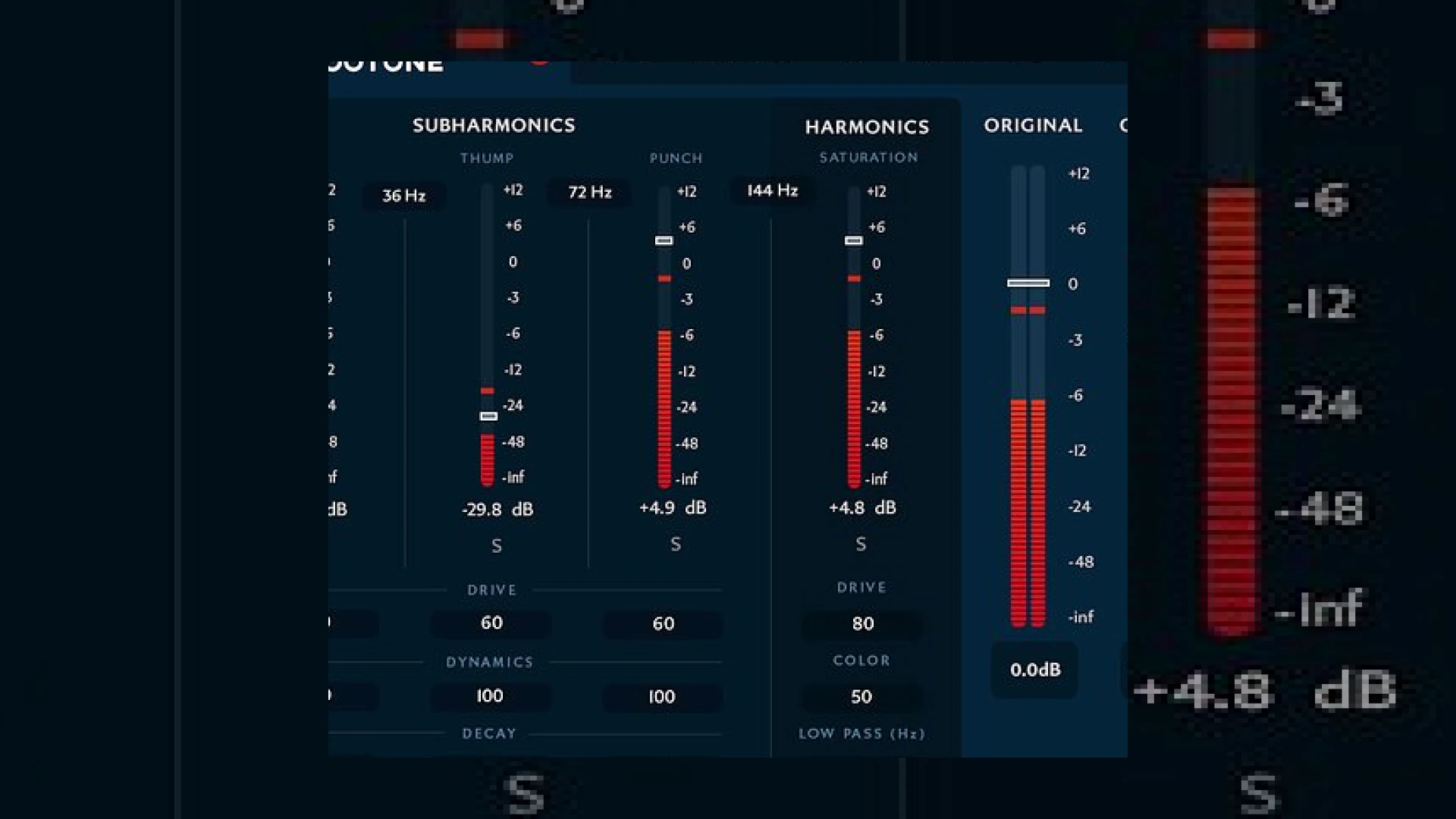
Visual context for Leapwing RootOne: sub-enhancement plug-in unveiled.
As mastering engineers, we are constantly on the hunt for tools that can salvage or elevate the low-end performance of a mix without introducing destructive artifacts. With the recent announcement of the leapwing rootone: sub-enhancement plug-in unveiled, the audio world has gained an extremely precise sub-harmonic generator designed to address these exact struggles. Traditional sub-bass synthesizers often smear transients and introduce phase anomalies, leaving mastering houses cautious about using them. However, Leapwing Audio has tackled this head-on by engineering a phase-aligned approach that changes how we handle sub-frequencies.
Understanding Leapwing RootOne: Sub-Enhancement Plug-In Unveiled
When the leapwing rootone: sub-enhancement plug-in unveiled its underlying technology, the main talking point was its proprietary DSP algorithm. Unlike classic sub-harmonic generators that rely on pitch-tracking or simple octave-down filters (which frequently cause phase-shifting in the low end, resulting in a sense of detachment from the original sound), RootOne synthesizes clean, phase-aligned sub-harmonics. At SM Mastering, we put this to the test and observed an incredibly tight coherence between the original kick transient and the newly synthesized sub-bass frequencies.
The application of this plugin goes beyond simple bass boosting. Many engineers have commented on how the leapwing rootone: sub-enhancement plug-in unveiled a fresh approach to low-frequency synthesis by dividing the sub-bass spectrum into three highly controllable bands: Sub, Thump, and Punch, alongside a fourth band dedicated to upper Harmonics. This multi-band control allows you to tailor the dynamic envelope of each band individually, bringing unprecedented flexibility to both mixing and mastering sessions. While tools from industry giants like iZotope offer excellent spectral shaping tools, Leapwing takes a highly specialized path dedicated strictly to low-frequency precision.
Advanced Architectural Controls
By examining how the leapwing rootone: sub-enhancement plug-in unveiled its architectural capabilities, we can appreciate the extreme level of control offered over each band. Each of the three lower bands provides Drive, Dynamics, and Decay parameters. Drive sets the intensity of the synthesized harmonics, Dynamics guides the amplitude envelope to closely follow the source material, and Decay lets you shape the overhang of the synthesized low end. This is crucial for avoiding muddy tails on fast-tempo tracks.
For more in-depth reviews and guides on modern low-end control, make sure to explore our vast repository of SM Mastering Audio Articles. Our experience with the leapwing rootone: sub-enhancement plug-in unveiled highlights that its fourth band—the Harmonics band—is a secret weapon for translation on small consumer speakers. By generating upper harmonics that trick the human ear into perceiving deeper fundamental tones, it solves a massive problem for modern streaming releases.
Leapwing RootOne Specifications
| Specification / Metric | Details & Values |
|---|---|
| Plugin Name | Leapwing Audio RootOne |
| Primary Use | Phase-aligned sub-harmonic generation and low-end enhancement |
| Processing Bands | 4 Bands (Sub, Thump, Punch, Harmonics) |
| Interface Support | Retina-friendly, fully resizable user interface |
| Format Compatibility | VST, VST3, AU, AAX (macOS and Windows) |
| Price | £179 (30-day free trial available) |
| SM Mastering Rating | 4.8 / 5 Stars |
Practical Studio Workflow Tips
- Keep the Dynamics High on Fast Tracks: When working with fast electronic music or double-bass metal, increase the ‘Dynamics’ parameter to 100%. This ensures the generated sub-harmonics decay immediately after the initial transient hit, preventing mud.
- Set Crossover Points Carefully: Don’t leave the crossover points at default. Solo each band to ensure the ‘Punch’ band captures the fundamental of the snare/low-mids, while ‘Thump’ covers the meat of the kick drum.
- Use the Harmonics Band for Small Monitors: If your mix sounds deep on studio mains but disappears on phone speakers, gently push the fourth ‘Harmonics’ band. It adds saturated mid-range warmth that tricks the brain into hearing the missing sub-bass.
Conclusion
Leapwing Audio continues to challenge industry norms by addressing complex acoustic issues with elegant, modern DSP solutions. RootOne represents a significant step forward for mastering and mixing engineers alike. By ensuring that synthesized sub-harmonics remain perfectly in phase with original source transients, it provides a level of low-end authority and clean punch that traditional sub-generators simply cannot match. For any studio looking to solve low-frequency translation issues, this tool is well worth the investment.
Frequently Asked Questions
How does Leapwing RootOne prevent phase issues in the low end?
Unlike traditional octave-down sub-generators that can introduce arbitrary phase shifts, RootOne uses a proprietary analysis and synthesis engine. This engine synthesizes sub-harmonics that are mathematically aligned in phase with the source audio, preserving transient impact and preventing cancellation.
Can RootOne be used safely during the mastering stage?
Yes. Because of its phase-aligned architecture and surgical multi-band control, RootOne is highly suited for mastering applications. It allows mastering engineers to gently inject missing sub-octaves into sparse mixes without introducing low-frequency muddiness.
What does the “Decay” control do in RootOne?
The Decay parameter allows you to control how long the synthesized sub-harmonics ring out after the original transient ends. This is ideal for customizing the decay length of kicks or adding sustained low-end weight to sub-basses.
🛒 Official Product Info & Where to Buy
Check full technical specs, pricing, and purchase options directly from the official manufacturer or authorized dealer for Leapwing RootOne: sub-enhancement plug-in unveiled.

Written by SM Mastering
Official content on sound engineering, mixing, mastering, and advanced electronic production by SM Mastering.