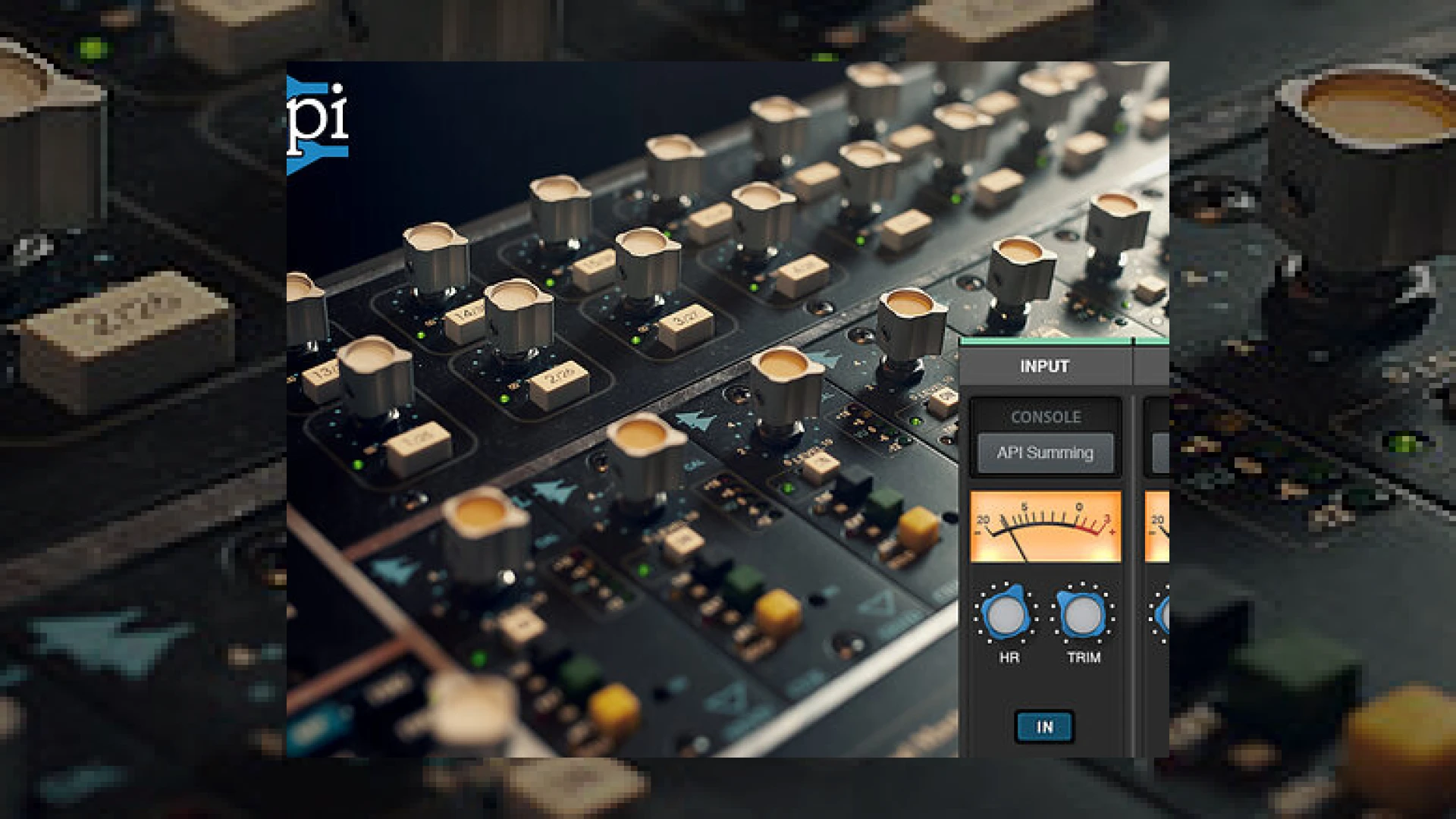
Visual context for LUNA lands on Planet API.
The boundaries between classic analog console workflows and modern digital audio workstations continue to blur, and the latest release from Universal Audio marks a monumental shift in this evolution. As we explore how luna lands on planet api, mastering engineers and music producers are treated to an unparalleled level of hybrid integration. The release of LUNA version 1.1.1 alongside UAD software version 9.13 brings two powerhouses of analog history directly into the digital workspace, redefining how we approach headroom, transients, and summing.
The Sonic Impact: How LUNA Lands on Planet API
When luna lands on planet api, the sonic footprint of your mixes changes dramatically. Unlike standard plugins that sit on inserts, this integration operates at the summing bus level. It emulates the physical routing and electronic behavior of a large-format API desk. While the previously released Neve Summing Extension mimics the rich, warm, and luxuriant sound of the 1272 line amplifiers, the API Summing Extension delivers a punchy, forward, and mid-forward character. This is achieved by faithfully modeling the legendary API 2520 discrete operational amplifier feeding custom output transformers.
With the release of LUNA 1.1.1 and UAD software 9.13, we see a unified ecosystem where analog emulation is baked directly into the DAW’s architecture. Seeing how luna lands on planet api allows us to appreciate the mid-range punch and transient clarity that defined classic American rock and pop records. The integration is controlled directly from the LUNA channel strip, eliminating the need to manage multiple floating plugin windows. Engineers can adjust headroom, drive, and bypass states per channel instantly.
Furthermore, the update does not stop at API console summing. Universal Audio has also introduced the Neve Dynamics Collection, featuring an updated 33609 compressor and a brand-new licensed emulation of the legendary 2254E compressor/limiter. Yet, the headline remains how luna lands on planet api, offering a distinct alternative to the British console sound by providing unparalleled transient snap and headroom management. For a broader look at how these dynamics and summing choices affect final masters, explore our technical guides on SM Mastering Audio Articles.
Technical Specifications and Comparison
To understand the value of these new tools, we have outlined the core specifications of the updated components below:
| Name | Use | Price | Rating |
|---|---|---|---|
| API Summing Extension | Console Summing Emulation (LUNA exclusive) | $299 / £229 | 4.9 / 5.0 |
| Neve Dynamics Collection | VCA/Diode Bridge Compression & Limiting | $299 / £229 | 4.8 / 5.0 |
| LUNA Recording System v1.1.1 | Analog-modeled Host DAW Environment | Free (for UA Hardware Owners) | 4.7 / 5.0 |
Practical Studio Workflow Tips
Integrating analog summing emulations requires a strategic approach to gain staging. Incorporating these summing models into your hybrid mastering setup is a game-changer. Once you witness how luna lands on planet api in a real-world mixing environment, going back to sterile digital summing is nearly impossible. Here are three tips to optimize your workflow:
- Watch Your Headroom: Use the global and per-channel headroom controls within LUNA to drive the virtual 2520 op-amps. Pushing the headroom control lower allows you to saturate the virtual transformers for added harmonic saturation without clipping your master output.
- Hybrid Summing Layouts: Do not hesitate to mix summing topologies. Use the API Summing Extension on transient-heavy groups like drums and percussion for maximum punch, while utilizing the Neve Summing Extension on acoustic guitars and vocals for a smoother, warmer top-end.
- Incorporate Native Hardware: Combine LUNA’s internal summing with high-end hardware processing. To find more information on compatible audio interfaces and DSP accelerators, visit the official Universal Audio website.
Conclusion
Universal Audio continues to bridge the gap between vintage hardware and digital convenience. With LUNA 1.1.1, the phrase “luna lands on planet api” represents a true milestone in hybrid mixing. By putting the transient-rich, punchy characteristics of the 2520 op-amp directly inside the summing architecture of LUNA, engineers can sculpt dimension and depth into their mixes without leaving the box.
Frequently Asked Questions
What is the main sonic difference between API and Neve summing in LUNA?
API summing is characterized by its forward, punchy mid-range, fast transient response, and aggressive clarity, making it ideal for rock, pop, and modern electronic music. Neve summing offers a warmer, wider, and more rounded low-end with a smooth high-frequency roll-off, suited for orchestral, acoustic, and jazz arrangements.
Do I need UAD DSP hardware to run the API Summing Extension?
Yes, the API Summing Extension runs exclusively inside the LUNA Recording System, which requires compatible Universal Audio Apollo or Arrow audio interfaces to operate the proprietary low-latency summing engine.
Can I automate the summing parameters in LUNA?
Yes, LUNA allows full automation of channel trim, headroom levels, and bypass states, giving you precise dynamic control over the harmonic saturation of your virtual console busses throughout the mix.
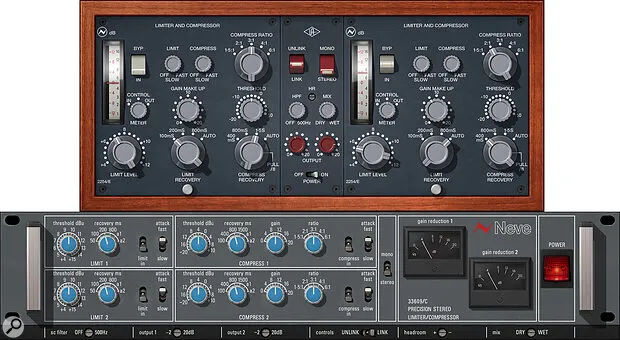
Additional product view and interface angle for LUNA lands on Planet API.
🛒 Official Product Info & Where to Buy
Check full technical specs, pricing, and purchase options directly from the official manufacturer or authorized dealer for LUNA lands on Planet API.

Written by SM Mastering
Official content on sound engineering, mixing, mastering, and advanced electronic production by SM Mastering.