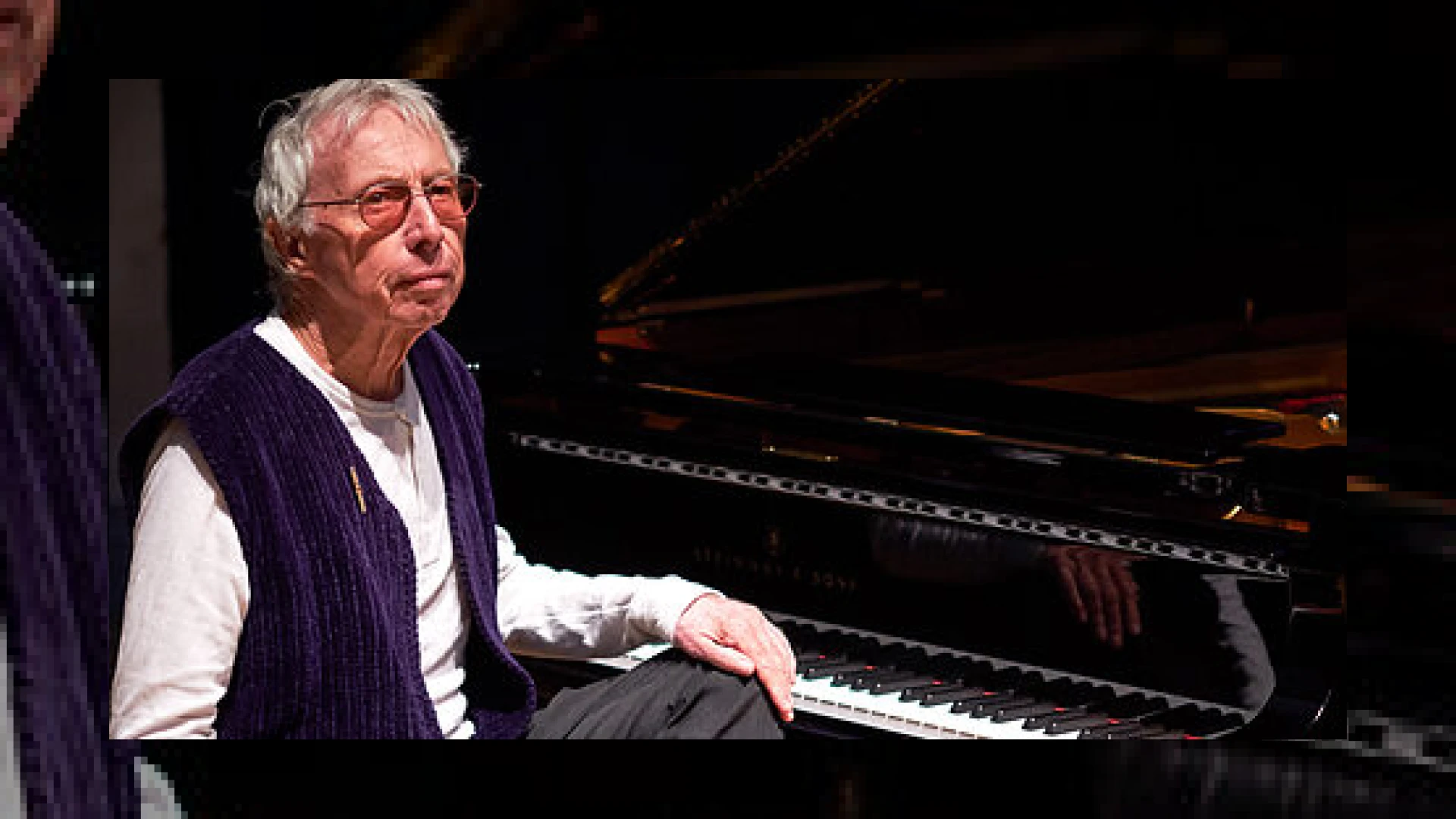
Visual context for Harold Budd – Master Of Ambient Music Dies.
The music production and audio mastering community is reflecting deeply on a profound loss today. With the news that **harold budd – master of ambient music dies**, we lose one of the most influential architects of minimalist and atmospheric soundscapes. His unique approach to the “soft pedal” piano style, combined with lush, cascading reverbs and delays, defined a genre and influenced generations of electronic music producers, synthesists, and mastering engineers alike.
The Legacy Left Behind: harold budd – master of ambient music dies
Budd’s passing from complications of Covid-19 following a stroke marks the end of a golden era of experimental music. When the news broke that **harold budd – master of ambient music dies**, tributes quickly poured in from all corners of the industry, from legendary collaborators like Brian Eno and Cocteau Twins’ Robin Guthrie to modern experimental synth enthusiasts. His early work, starting with *The Oak Of The Golden Dreams* and culminating in the seminal *The Pavilion Of Dreams* (produced by Eno in 1978), showcased how space, silence, and acoustic textures could carry immense emotional weight. To achieve these massive, lingering soundscapes, modern engineers often look to advanced digital processing tools. Using precision software like Universal Audio‘s premium reverb emulations, contemporary producers attempt to replicate the vast, endless decays that Budd made famous throughout his career.
From an audio engineering and mastering perspective, Budd’s work remains a masterclass in dynamic range and spatial imaging. When we analyze why **harold budd – master of ambient music dies** is such a historic event for audio professionals, we must look at how his compositions challenged traditional mastering practices. His tracks demanded an ultra-low noise floor, careful harmonic balancing, and a preservation of natural transient dynamics that standard commercial masterings often squash. To learn more about maintaining such delicate dynamic structures in modern digital masters, check out our resources at SM Mastering Audio Articles.
Essential Tools for Recreating the Ambient Soundscape
To achieve the warm, deep, and reflective soundscapes pioneered by Harold Budd, modern studios rely on specialized tools that emphasize warmth, long tails, and soft transient responses. Below is a list of recommended software tools for ambient production:
| Name | Use | Price | Rating |
|---|---|---|---|
| Valhalla VintageVerb | Lush, decaying ambient reverbs | $50 | 4.9/5 |
| Spitfire Audio Soft Piano | Felted, intimate piano tones | Free | 4.8/5 |
| Soundtoys Echoboy | Analog tape-style delays | $199 | 4.9/5 |
Practical Studio Workflow Tips for Ambient Production
- The Soft Pedal (Una Corda) Technique: Focus on low-velocity MIDI or physical soft-pedaling when recording piano. This minimizes high-frequency hammer strikes and creates an intimate, warm tone.
- Pre-Delay and Reverb Decays: Set long decay times (6-12 seconds) with a moderate pre-delay (30-50ms) to separate the natural transient of the piano from the massive wet wash.
- Saturating the Reverb Trails: Add subtle tape saturation directly to your reverb return path rather than the dry instrument. This mimics the warmth of classic analog mixing consoles.
- Mastering for Dynamic Range: When mastering ambient tracks, avoid heavy brickwall limiting. Use serial compression with very slow attack times to preserve the natural breathing of the performance.
Reflecting on a Modern Master
Ultimately, as the headline **harold budd – master of ambient music dies** reverberates through the studios of sound designers and experimental artists, his musical philosophy remains more relevant than ever. He taught us that what we leave out of a mix is just as important as what we put in. His legacy will continue to inspire those who pick up a synthesizer or sit at a piano, seeking to find the beauty in the quietest, most spacious corners of our world.
Frequently Asked Questions
Who was Harold Budd and why is he famous?
Harold Budd was an American composer and pianist celebrated for his minimalist, atmospheric compositions. He is widely regarded as a pioneer of ambient and dream-pop textures, famous for his “soft pedal” piano style and extensive collaborations with Brian Eno and Robin Guthrie.
What is the “soft pedal” piano technique used by Harold Budd?
The “soft pedal” technique involves using the piano’s leftmost pedal (una corda) to shift the hammers so they hit fewer strings, resulting in a muted, intimate, and physically softer tone with fewer high-frequency harmonics. This creates a deeply emotional and cozy acoustic space.
How do you master ambient music to preserve dynamic range?
Mastering ambient music requires a gentle touch. Engineers avoid aggressive brickwall limiting, opting instead for high-dynamic-range headroom, subtle tape emulation, and surgical EQing to manage low-end rumble while keeping the delicate high-frequency ambient trails intact.
Additional product view and interface angle for Harold Budd – Master Of Ambient Music Dies.
Written by SM Mastering
Official content on sound engineering, mixing, mastering, and advanced electronic production by SM Mastering.