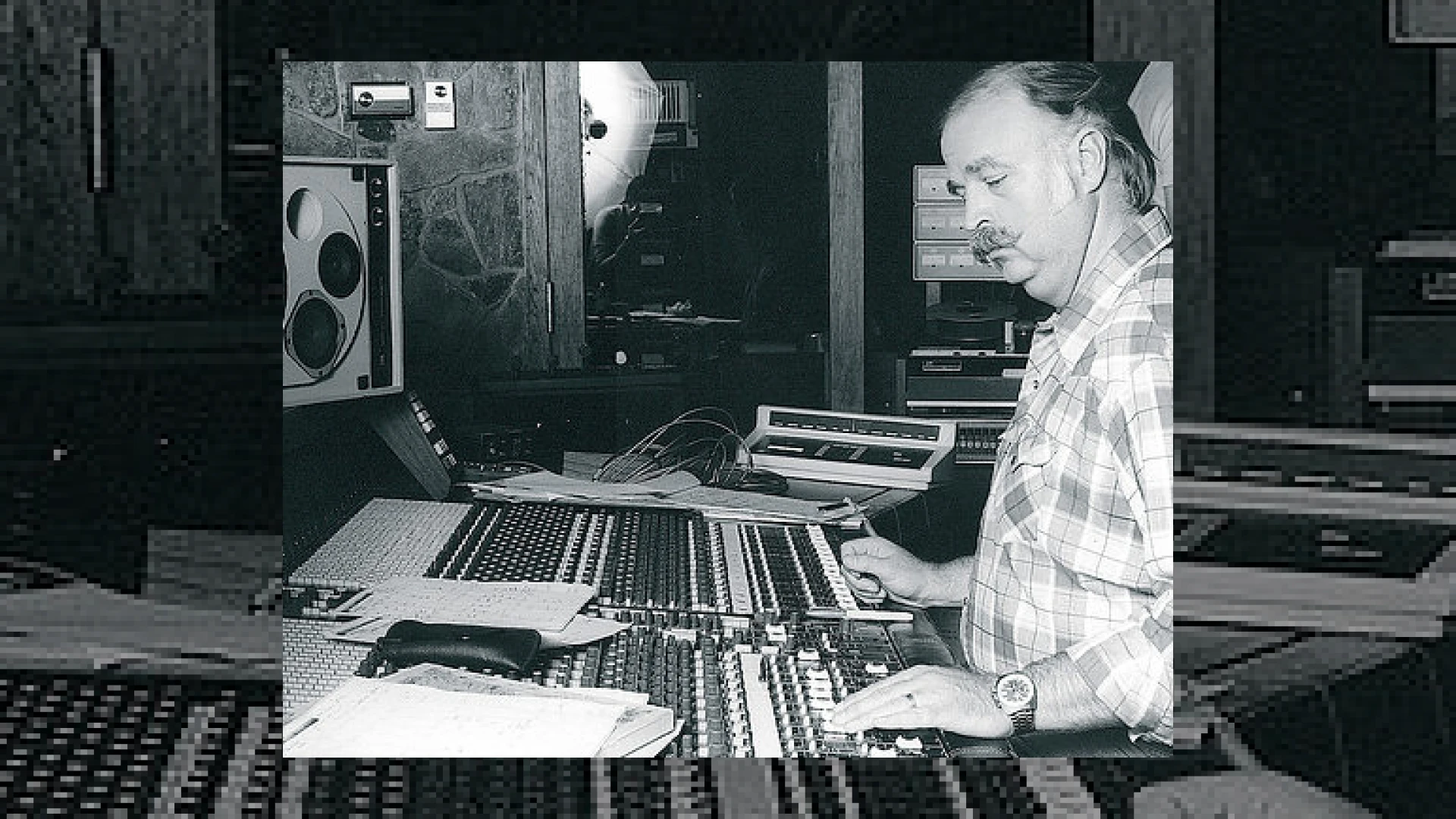
Visual context for Bruce Swedien: 1934 – 2020.
The global audio engineering community recently paused to reflect on the monumental legacy of a true pioneer, bruce swedien: 1934 – 2020. As mastering engineers at SM Mastering, we often look to the history of recording techniques to refine our modern processes. The loss of this iconic sonic sculptor marks the end of an era, yet his meticulous methodologies continue to shape how we perceive space, depth, and dynamics in modern music production today.
The Legacy of Bruce Swedien: 1934 – 2020
Born to classically trained musicians, Bruce Swedien’s journey into the world of sound was destiny. His early obsession with recording led him to set up his own local radio station by age 14 and run a commercial studio by 19. His formal training under the legendary Bill Putnam at Universal Recording paved the way for his groundbreaking work. Looking back at the life of bruce swedien: 1934 – 2020, it is clear that his background in classical music influenced his unique approach to capturing acoustic spaces, a technique he later coined as the “Acusonic Recording Process.”
Swedien’s partnership with producer Quincy Jones and pop icon Michael Jackson resulted in some of the best-selling albums of all time, including Thriller and Bad. His work during the timeline of bruce swedien: 1934 – 2020 redefined the sonic standards of pop music. Instead of relying heavily on electronic manipulation, Swedien favored natural room acoustics, true stereophonic imaging, and minimal processing to preserve transient detail. At SM Mastering, we analyze these recordings as masterclasses in dynamic range and spatial imaging. You can read more historical perspectives and technical guides in our SM Mastering Audio Articles.
The Acusonic Recording Process and Signature Gear
The signature sound defined during the career of bruce swedien: 1934 – 2020 was achieved using a carefully curated selection of gear. From his beloved Harrison 32C mixing console to the iconic Shure SM7 vocal microphone, Swedien was a master of matching the right tool to the source. He famously avoided using compressors on Michael Jackson’s lead vocals to preserve the raw, emotional transients of the performance. This pure approach is highly celebrated by developers like Universal Audio, who have meticulously modeled much of the classic gear Swedien championed throughout his illustrious career.
| Name | Use | Price | Rating |
|---|---|---|---|
| Harrison 32C (Vintage) | Analog Mixing Console & Preamps | $15,000 – $30,000 (Used) | 5/5 |
| Shure SM7 (Original) | Dynamic Vocal Microphone | $399 (Modern SM7B equivalent) | 4.9/5 |
| Neumann U87 | Condenser Microphone for Room & Overhead | $3,695 | 5/5 |
| Teletronix LA-2A | Opto Compressor (Used sparingly) | $4,699 | 4.8/5 |
Practical Studio Workflow Tips Inspired by Swedien
- Embrace Stereo Width Naturally: Instead of panning mono sources left and right, use true stereophonic recording techniques (like Blumlein or XY pairs) to capture the natural acoustic environment of your live room.
- Preserve Transients: Avoid the temptation to over-compress lead vocals or transient-heavy instruments. Let the natural dynamics breathe to maintain energy and punch.
- Get It Right at the Source: Never rely on “fixing it in the mix.” Spend extra time selecting the appropriate microphone and adjusting its position relative to the performer.
Conclusion
As we honor the memory of bruce swedien: 1934 – 2020, his philosophy remains a guiding light for current and future generations of audio professionals. He proved that high-fidelity recording is not about fixing things in the mix, but about capturing an emotional performance with absolute clarity and spatial realism. By applying his principles of dynamic preservation and spatial awareness, we can continue to elevate the art of sound to new heights.
Frequently Asked Questions
What is the Acusonic Recording Process?
The Acusonic Recording Process was a term coined by Bruce Swedien to describe his technique of pairing multiple synchronized multitrack recorders. This allowed him to record acoustic instruments and vocals in true stereo, creating an unprecedented sense of space, depth, and sonic realism without relying heavily on artificial processing.
Why did Bruce Swedien avoid compression on vocals?
Swedien believed that over-compression destroyed the natural transients and emotional impact of a vocal performance. By manually riding the faders and using dynamic microphones like the Shure SM7, he maintained the raw energy and dynamic range of vocalists like Michael Jackson.
What console did Bruce Swedien use for Thriller?
Bruce Swedien famously mixed Michael Jackson’s Thriller album on a Harrison 32C analog console. He praised the console’s clean preamps and musical-sounding equalizers, which helped define the warm, punchy sonic signature of the entire album.

Written by SM Mastering
Official content on sound engineering, mixing, mastering, and advanced electronic production by SM Mastering.