Visual context for NAMM 2021: Korg's synth trio.
The synthesizer landscape experienced a massive seismic shift during the virtual industry events of recent years. In particular, the announcements surrounding namm 2021: korg’s synth trio captured the imagination of electronic music producers, sound designers, and audio engineers worldwide. By revisiting classic architectures and packaging them in modern, studio-friendly form factors, Korg proved once again why they remain at the absolute vanguard of hardware synthesis. For professionals looking to elevate their mixes, understanding how these hardware modules operate is crucial.
Exploring namm 2021: korg’s synth trio
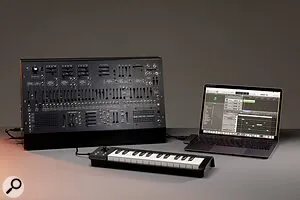
At the heart of the excitement was a diverse selection of instruments designed to appeal to different facets of music production. As the flagship centerpiece of namm 2021: korg’s synth trio, the ARP 2600 M brings legendary semi-modular synthesis into a far more manageable desktop footprint. This unit is roughly 60 percent of the size of the original 2600 FS and makes a smart concession to modern studio space by omitting the heavy keyboard. Despite its compact nature, it remains incredibly faithful to the original 1970s architecture—so much so that the historical manuals and patchbooks still apply perfectly.
Korg didn’t just shrink the chassis; they added valuable modern features. The ARP 2600 M boasts a USB MIDI interface that allows for direct connection to a computer or class-compliant USB MIDI controllers. Furthermore, users can switch between two distinct generations of classic 2600 filters (the aggressive Type 4012 and the smoother Type 4072). MIDI integration has also been expanded beyond simple note triggering to include pitch-bend, modulation, and portamento control via CC. A redesigned 5V trigger threshold for the ADSR envelope’s Sample & Hold Gate input ensures seamless integration with contemporary Eurorack modular setups.
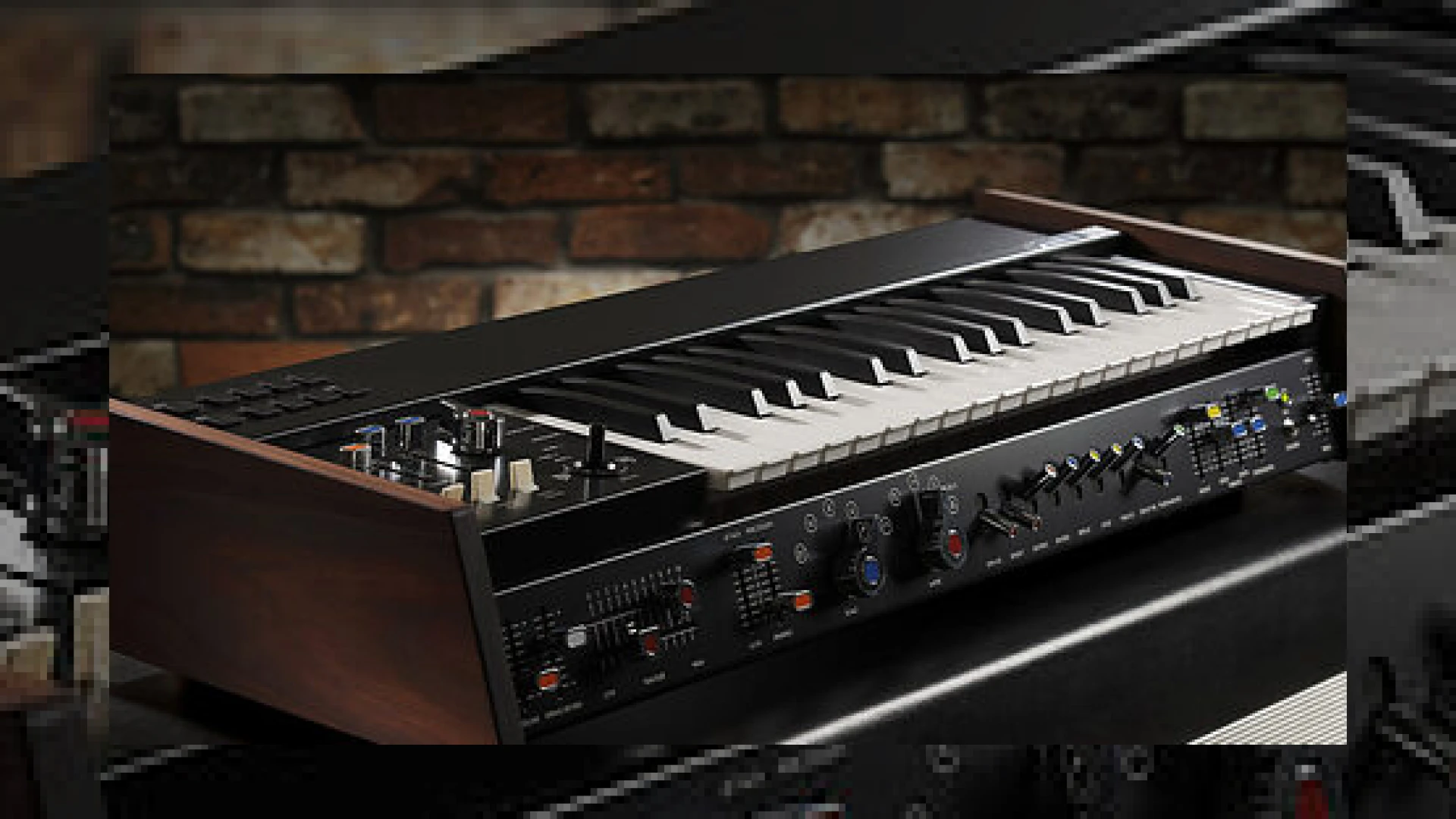
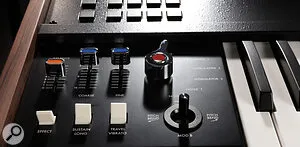
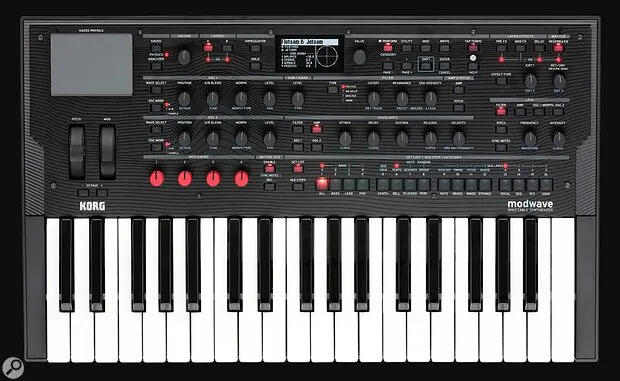
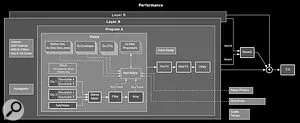
Another outstanding component of namm 2021: korg’s synth trio is the miniKORG 700FS. This is a gorgeous, faithful recreation of Korg’s first monophonic synthesizer from the early ’70s, updated with a spring reverberator, joystick controllers, and program memories. Completing the lineup of namm 2021: korg’s synth trio is the Modwave, a powerhouse wavetable synthesizer that builds upon the legacy of the DW-8000, combining deep digital wavetables with rich analog-style filters and highly customizable modulation physics.
Additional product view and interface angle for NAMM 2021: Korg's synth trio.
Specifications and Comparison
To help you decide which of these legendary sound engines fits your production workflow, we have compiled a quick reference table of their core features and estimated street values:
| Synthesizer Name | Primary Studio Use | Estimated Price | Expert Rating |
|---|---|---|---|
| ARP 2600 M | Sound Design, Semi-Modular FX, Classic Bass/Leads | $1,799 | 4.9 / 5.0 |
| miniKORG 700FS | Retro Solos, Organic Analog Leads, Vintage Bass | $1,999 | 4.7 / 5.0 |
| Modwave | Cinematic Textures, Modern Wavetable Pads, SFX | $799 | 4.6 / 5.0 |
Practical Studio Workflow Tips
Integrating vintage-inspired hardware into a modern digital audio workstation (DAW) environment requires a blend of classic routing and contemporary processing techniques. While digital plugin suites from companies like Universal Audio offer outstanding emulations, nothing quite matches the raw physical energy of real analog circuitry tracking through your converters.
Additional product view and interface angle for NAMM 2021: Korg's synth trio.
- Utilize the Dual Filters: On the ARP 2600 M, use the Type 4012 filter when you need aggressive, self-oscillating resonance for lead sounds, and switch to the Type 4072 filter when recording smoother, low-pass basslines that need to sit tightly in a busy mix.
- Modular Clocking: Use the updated 5V S&H Gate input on the ARP 2600 M to sync your analog sequences directly with your modular clock modules or drum machines without needing voltage step-up converters.
- Gain Staging for Mastering: When recording the miniKORG 700FS, run the outputs slightly hot into a high-quality preamp to capture a subtle harmonic saturation. This analog warmth acts as a natural limiter, making the track easier to manage during the mastering stage.
For more hardware breakdowns and mastering-grade integration tips, explore our archive at SM Mastering Audio Articles.
Conclusion
The legacy of these instruments continues to shape the sonic signature of modern music. Korg’s ability to balance historical accuracy with modern convenience ensures that these synthesizers are not mere museum pieces, but vital, breathing tools for the contemporary producer. Whether you seek the semi-modular madness of the ARP 2600 M, the raw vintage warmth of the miniKORG 700FS, or the deep digital landscapes of the Modwave, this trio offers an unparalleled palette of sonic possibilities.
Additional product view and interface angle for NAMM 2021: Korg's synth trio.
Frequently Asked Questions
Can I control the ARP 2600 M using a standard USB MIDI controller?
Yes. The ARP 2600 M features a class-compliant USB host port, allowing you to plug any standard USB MIDI controller directly into the module without needing an intermediary computer setup.
What is the difference between the 4012 and 4072 filters?
The Type 4012 filter is the early-generation ARP filter, known for its bright, aggressive resonance and slightly raw tone. The Type 4072 filter is a later design that offers a smoother, more controlled frequency sweep, which is highly effective for clean, deep bass sounds.
Additional product view and interface angle for NAMM 2021: Korg's synth trio.
Are the original ARP patchbooks compatible with the new 2600 M?
Absolutely. Because Korg meticulously recreated the original analog signal path, every single patch sheet and diagram designed for the original 1970s ARP 2600 can be patched directly on the ARP 2600 M with identical results.
Written by SM Mastering
Official content on sound engineering, mixing, mastering, and advanced electronic production by SM Mastering.