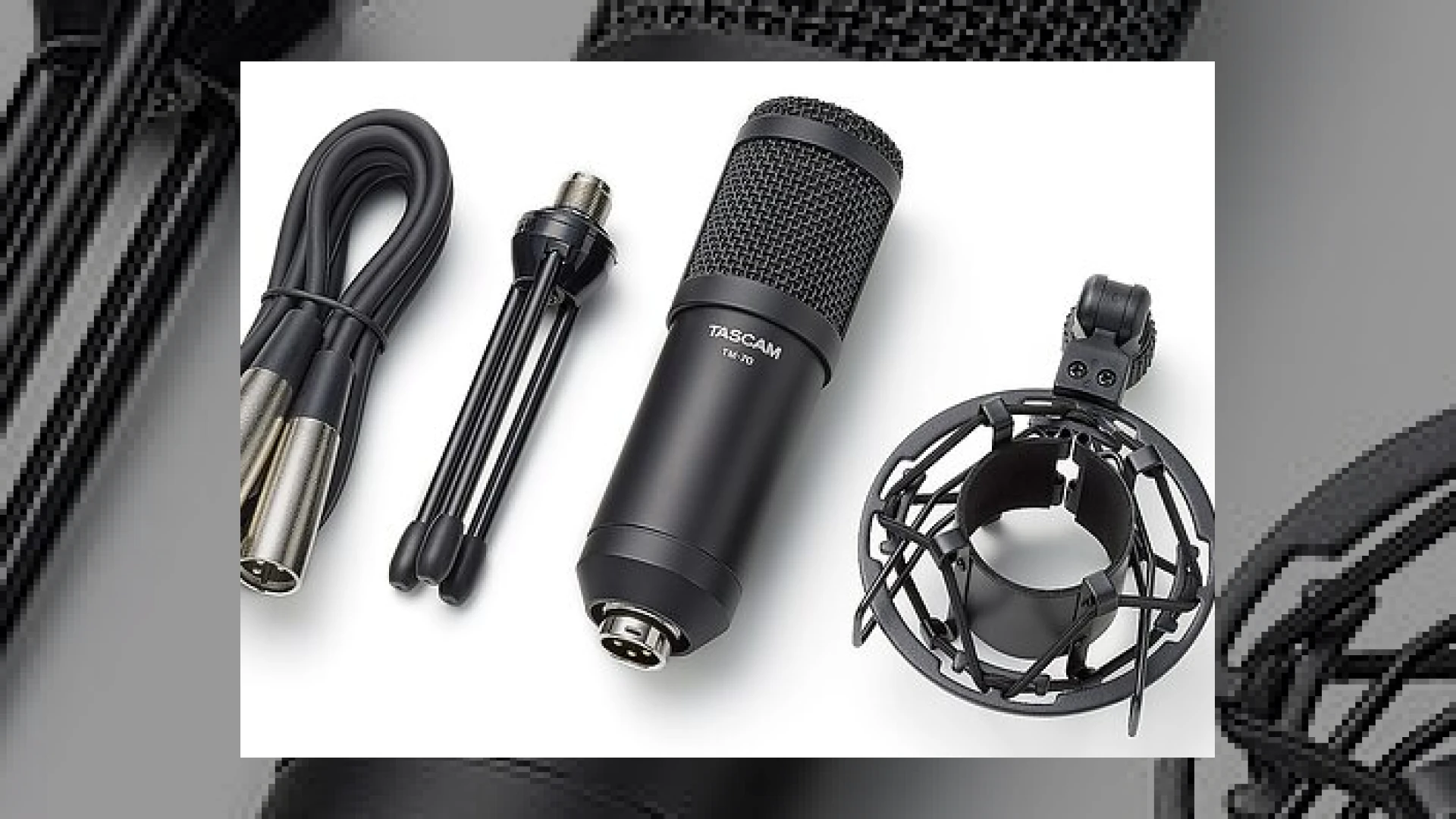
Visual context for Two new dynamic mics from Tascam.
The market for affordable, high-quality recording gear has just expanded with the introduction of two new dynamic mics from tascam: the broadcast-ready TM-70 and the handheld TM-82. As audio engineers, we are constantly evaluating how new hardware impacts the recording chain, from transient response to off-axis rejection. Tascam’s latest offerings aim to provide budget-conscious creators with reliable, moving-coil dynamic transducers tailored for specific vocal applications.
Dynamic microphones have long been the workhorses of both live stages and broadcast suites due to their robust construction and ability to handle high sound pressure levels (SPL) without distortion. With these releases, Tascam targets two distinct segments of the market: spoken-word broadcasters who need tight control over their room acoustics, and live vocalists who require freedom of movement and consistent frequency response.
Deep Dive into Two New Dynamic Mics from Tascam
When examining the functional differences between these two new dynamic mics from tascam, we see a clear distinction in their target audiences. The TM-70 is engineered specifically for the spoken word. It features a tight supercardioid polar pattern, which is highly directional. This design choice is excellent for minimizing ambient room noise, making it a perfect fit for podcasters, voice-over artists, and radio stations operating in less-than-ideal acoustic environments. To sweeten the deal, Tascam packages the TM-70 with a shockmount, a desktop stand, and an XLR cable, offering a complete out-of-the-box solution.
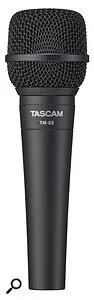
Additional product view and interface angle for Two new dynamic mics from Tascam.
Conversely, the TM-82 is a handheld dynamic microphone built for live, sung vocals. It utilizes a cardioid polar pattern, which offers a slightly wider pickup angle than the TM-70. This reduced directivity is deliberate; it minimizes the proximity effect (the buildup of bass frequencies as the source gets closer to the capsule). For animated performers who move around on stage, the TM-82 provides a more consistent tonal balance even when their mic technique varies. Engineers looking to optimize their tracking chains will find that deploying these two new dynamic mics from tascam can offer incredible versatility without breaking the bank.
Specifications Comparison
To help you decide which model fits your studio needs, we have compiled the essential specifications of both units in the table below:

Additional product view and interface angle for Two new dynamic mics from Tascam.
| Name | Primary Use | Price | Rating |
|---|---|---|---|
| Tascam TM-70 | Podcasting, Broadcast, Spoken Word | £79 | 4.5/5 |
| Tascam TM-82 | Live Vocals, Sung Performances | £42 | 4.2/5 |
Practical Studio Workflow Tips
To get the best out of these units, we compared them to industry standards; utilizing two new dynamic mics from tascam in tandem allows you to capture both spoken word and live vocal performances cleanly. Here are some expert tips for integrating them into your hybrid studio workflow:
- Optimize Preamp Gain: Dynamic microphones generally require more gain than condenser microphones. Pair these mics with clean, high-headroom preamps or use an inline gain booster (like a Cloudlifter) if your audio interface preamps struggle at higher gain stages without introducing hiss.
- Control the Proximity Effect: Use the TM-70’s supercardioid pattern to block out background computer fan noise, but keep the speaker at a consistent distance of 3 to 6 inches to avoid excessive low-end buildup. For vocalists who “cup” the mic or move erratically, the TM-82 will yield a much smoother frequency response.
- Post-Processing: Since dynamic microphones naturally roll off high frequencies compared to condensers, apply a gentle high-shelf boost starting around 10 kHz in your DAW to add “air” to the vocal. Brands like Neumann are renowned for their pristine high-end capture, but with careful EQ, these budget dynamics can punch well above their weight class.
- Mastering Preparation: Always ensure your vocal tracks are cleanly edited and compressed before sending them to a professional mastering house. Check out our comprehensive guides on preparing your mixes at SM Mastering Audio Articles.
Conclusion
In conclusion, the launch of these two new dynamic mics from tascam proves that high-performance audio doesn’t always demand a premium price tag. The TM-70 stands out as an exceptional value for content creators looking for a focused, broadcast-ready sound. Meanwhile, the TM-82 offers live performers a rugged, forgiving handheld option that maintains sonic consistency. By understanding the polar patterns and design intentions behind each microphone, you can make an informed choice that elevates your recordings.
Frequently Asked Questions (FAQ)
What is the difference between a supercardioid and a cardioid polar pattern?
A cardioid pattern picks up sound primarily from the front and rejects sound from the rear. A supercardioid pattern (like that of the TM-70) has a much narrower pickup angle at the front, offering superior side rejection, but it does have a small pickup lobe directly at the rear. This makes it crucial to position monitors or noise sources slightly off-axis to the rear of a supercardioid mic.
Do the Tascam TM-70 and TM-82 require phantom power (+48V)?
No. Both of these microphones are passive moving-coil dynamic designs. They do not require phantom power to operate, making them safe to plug into any standard XLR preamp input without activating +48V.
Can I use the Tascam TM-82 for studio recording?
Absolutely. While designed with live performance in mind, the TM-82’s smooth proximity effect and rugged capsule design make it an excellent choice for tracking aggressive vocals, electric guitar cabs, or snare drums in a studio environment.
🛒 Official Product Info & Where to Buy
Check full technical specs, pricing, and purchase options directly from the official manufacturer or authorized dealer for Two new dynamic mics from Tascam.
Written by SM Mastering
Official content on sound engineering, mixing, mastering, and advanced electronic production by SM Mastering.