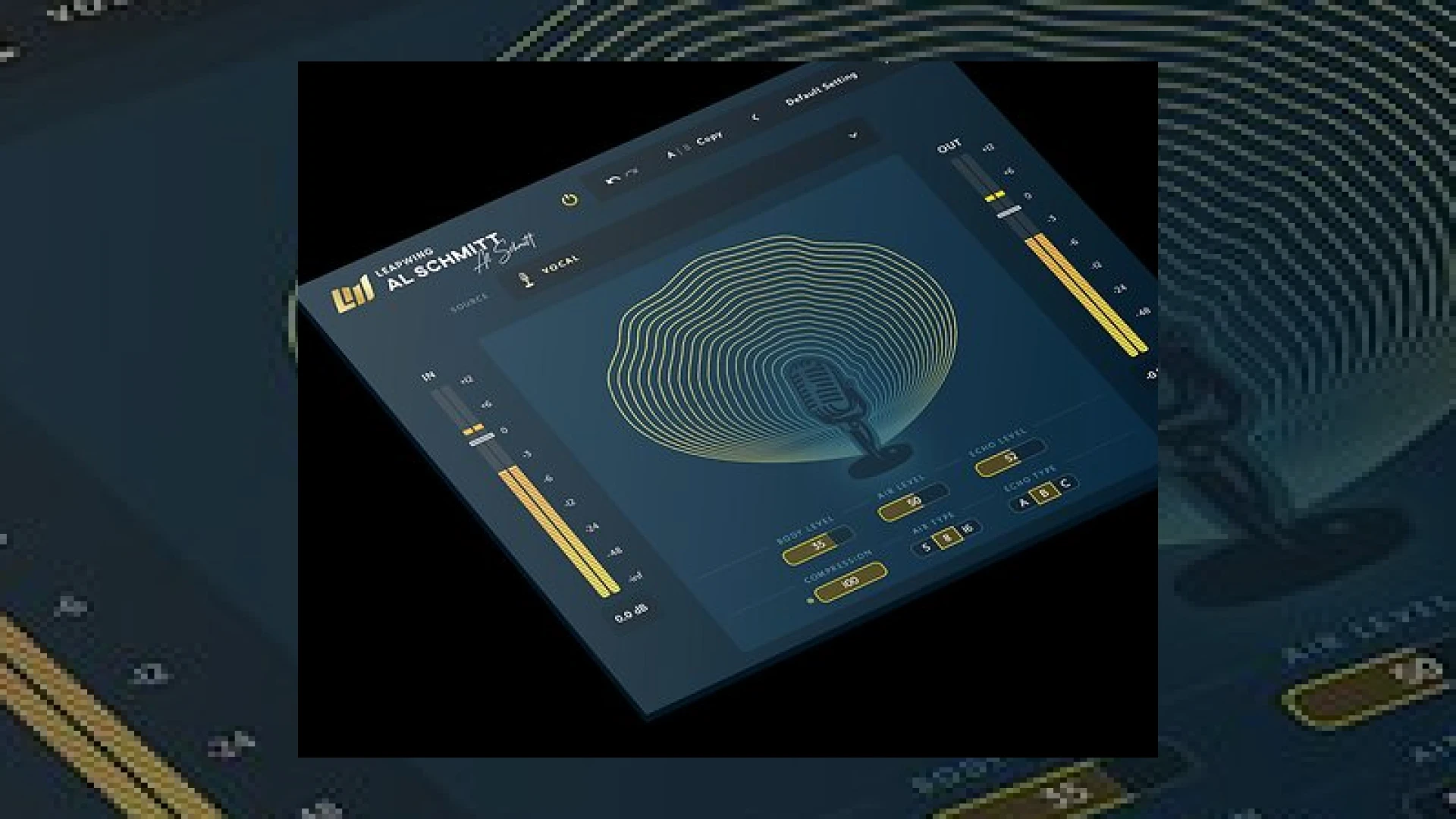
Visual context for Leapwing release Al Schmitt plug-in.
The audio engineering community has long sought to capture the elusive, organic warmth of legendary multi-Grammy-winning engineer Al Schmitt. Known for his minimalist approach, impeccable microphone placements, and reliance on natural acoustics rather than heavy processing, Al Schmitt’s signature sound defined decades of iconic records. The recent leapwing release al schmitt plug-in marks a major milestone in collaborative software design, successfully translating his lifelong sonic philosophy into a highly intuitive digital toolset.
Developed in close cooperation with Al Schmitt himself before his passing, Belgian software house Leapwing Audio spent months analyzing his workflow, physical hardware choices, and outboard signature chains. When integrated into modern sessions, the leapwing release al schmitt plug-in offers producers an incredibly streamlined interface that bypasses complex parameter hunting in favor of musical, highly tailored “profiles” optimized for specific instruments.
Analyzing the Leapwing Release Al Schmitt Plug-In
Rather than acting as a standard channel strip with generic EQ and compression knobs, this processor operates through six dedicated profiles: Vocal, Piano, Bass, Brass, Strings, and Mix Bus. Each profile represents a custom physical chain modeled on Al’s actual sessions. Our team noticed that the leapwing release al schmitt plug-in handles harmonic saturation and compression curves differently depending on the chosen profile. For example, the Bass profile adds a rich layer of low-end harmonic excitation, whereas the Mix Bus profile introduces highly transparent, subtle glue designed to preserve transient clarity.
The user interface is minimalist yet powerful, featuring unique sliders such as “Body”, “Air”, “Echo”, and “Compression”. The “Air” and “Echo” sliders are particularly noteworthy, offering three switchable types that replicate the precise physical echo chambers and high-frequency shelf curves Al favored at Capitol Studios. To explore how this aligns with other analog emulation techniques, you can read our masterclass tutorials and industry insights over at the SM Mastering Audio Articles page.
Technical Specifications and Overview
For mastering and mixing engineers looking to incorporate this premium tool into their workflow, here is a breakdown of what the leapwing release al schmitt plug-in brings to the table:
| Specification | Details |
|---|---|
| Plugin Name | Leapwing Audio Al Schmitt |
| Supported Formats | VST3, AU, AAX (64-bit) |
| Key Features | 6 Signature Profiles, Custom Echo Chambers, Harmonic Distortion Engine |
| Price | $159 USD / £139 GBP |
| SM Mastering Rating | 4.8 / 5 Stars |
Practical Studio Workflow Tips
To get the absolute best results when you instantiate the leapwing release al schmitt plug-in on your tracks, we recommend adopting the following production methodologies:
- Subtle Mix Bus Polishing: Insert the plugin on your master fader using the Mix Bus profile. Keep the compression slider low (around 10-15%) and use the subtle harmonic saturation to gently bind your low-end and mid-range frequencies together. This mimics Al’s classic outboard console summation.
- Vocal Depth and Reflection: The vocal profile is excellent for modern lead vocals that sound too dry or “in-the-box”. Dial in the “Echo” parameter and cycle through types 1, 2, and 3 to find a natural, reflective acoustic space that fits your tempo. Combining this with high-end hardware emulations from developers like Universal Audio can yield world-class results.
- Dynamic Control on Acoustic Piano: Acoustic pianos can easily get lost in dense arrangements. By using the Piano profile, you can push the “Body” slider to add weight around the 200Hz area without introducing muddy resonance, while the “Air” control lifts the hammers’ transient definition beautifully.
Ultimately, the leapwing release al schmitt plug-in bridges the gap between classic analog philosophy and modern digital convenience. It encourages engineers to mix with their ears rather than their eyes, prioritizing the overall emotion and spatial realism of the performance over surgical visual feedback.
Frequently Asked Questions
Does the plug-in introduce high latency during tracking?
Because the leapwing release al schmitt plug-in utilizes highly sophisticated physical modeling algorithms—especially within its echo chamber and harmonic saturation stages—it does introduce a small amount of latency. It is highly recommended for use during the mixing and mastering phases rather than live tracking.
Can I customize the compression attack and release times?
No, the compression parameters are pre-configured within each profile based on Al Schmitt’s personal hardware preferences. The compression slider controls the threshold and overall amount of gain reduction, allowing you to quickly find the sweet spot without over-complicating the signal path.
Is there a trial version available to test in my studio?
Yes, Leapwing Audio offers a fully functional 30-day trial version of the plug-in. This allows you to thoroughly test its compatibility and sonic characteristics within your specific DAW environment before committing to a purchase.
🛒 Official Product Info & Where to Buy
Check full technical specs, pricing, and purchase options directly from the official manufacturer or authorized dealer for Leapwing release Al Schmitt plug-in.

Written by SM Mastering
Official content on sound engineering, mixing, mastering, and advanced electronic production by SM Mastering.