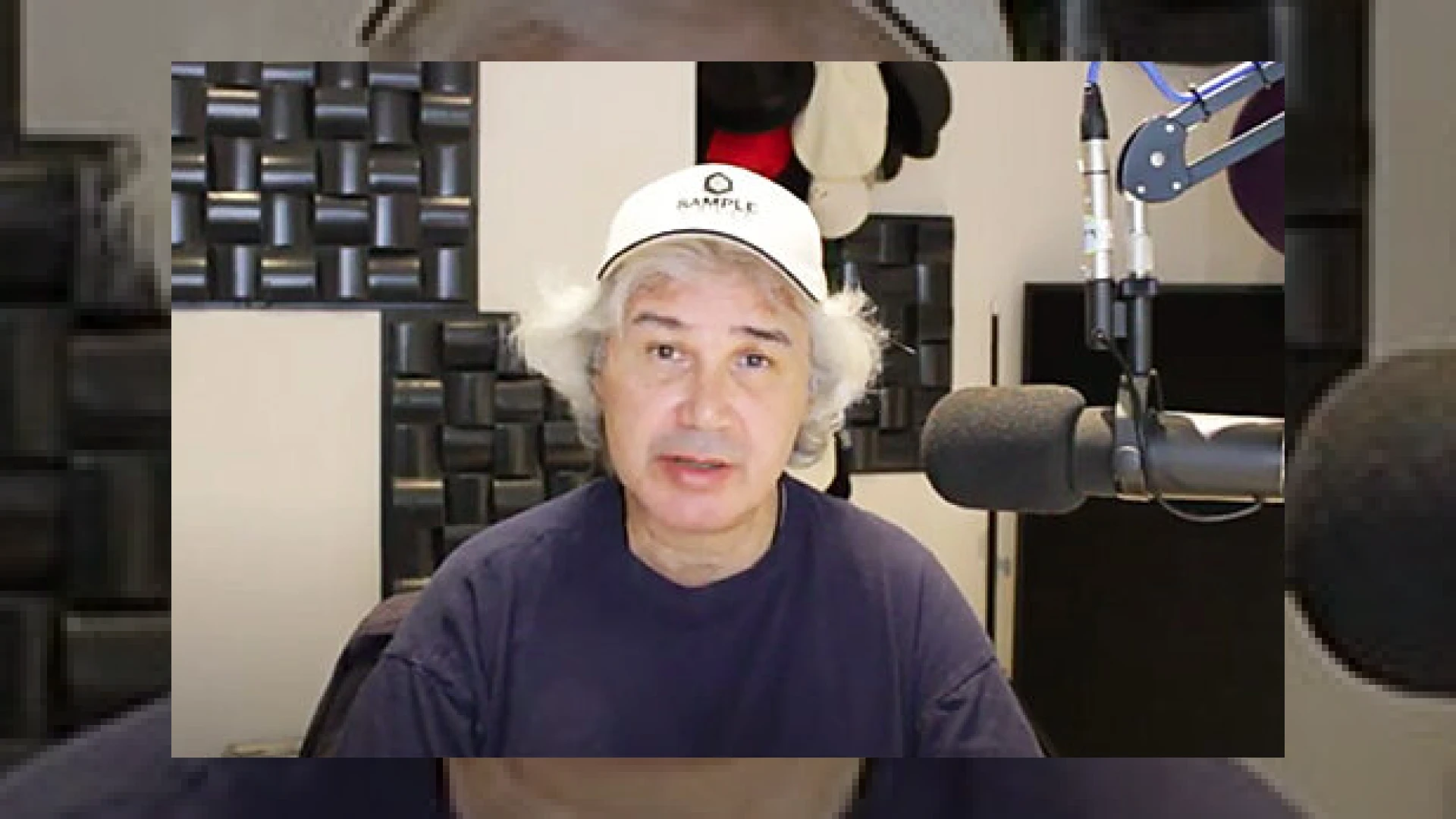
Visual context for Mixing Pop Music.
Pop music demands absolute perfection. It is a genre defined by crystal-clear vocals, massive low-ends, and a sparkling top-end that translates flawlessly across everything from mono smartphone speakers to massive club PAs. When it comes to mixing pop music, audio engineers must balance technical precision with creative artistry. At SM Mastering, we often receive mixes that struggle to find this equilibrium, which is why understanding the foundational steps of the mix is crucial.
Essential Techniques for Mixing Pop Music
One of the primary hurdles in mixing pop music is creating space for the lead vocal. In pop, the vocal is the undisputed centerpiece of the track. Every other instrument, from the lush synth pads to the driving electronic drums, must duck out of its way. Utilizing dynamic EQ and sidechain compression (such as the tools offered by iZotope) allows you to automatically carve out competing frequencies in real time, keeping the vocal front and center without thinning out the surrounding arrangement.
Another key element when mixing pop music is managing transient response and low-end translation. Pop tracks often feature heavy 808s and punchy kick drums that need to coexist. Using high-pass filters on non-bass instruments and sidechaining the kick to the bass are industry-standard techniques to maintain clarity. For more resources on optimizing your audio engineering pipeline, check out our curated guide on SM Mastering Audio Articles.
Finally, the arrangement must feel dynamic and exciting. Automation is the secret weapon here. Slight volume boosts during the chorus, widening the stereo image, and filtering out the low end during the pre-chorus can make the chorus drop feel massive. If you are looking to master this art, structured training on mixing pop music can offer deep technical insights into commercial workflows.
Specifications and Recommended Tools
To achieve a world-class pop sound, you need the right tools and educational resources. Below is a breakdown of top-rated utility software and courses currently dominating the industry:
| Name | Use | Price | Rating |
|---|---|---|---|
| Samplecraze Mixing Pop Music Course | Comprehensive video tutorial series by Eddie Bazil | $27.57 (Promo Offer) | 4.8/5 |
| iZotope Neutron 4 | Intelligent channel strip for pop transients | $399.00 | 4.7/5 |
| Soundtoys Decapitator | Analog saturation for vocal and bass warmth | $199.00 | 4.9/5 |
Practical Studio Workflow Tips
Our daily workflow for mixing pop music focuses heavily on gain staging, vocal riding, and stereo imaging. Here are some of our top practical tips to implement in your next session:
- Vocal Riding: Don’t rely solely on compression to level your vocals. Use manual volume automation (vocal riding) before the signal hits your compressors to maintain natural dynamics while keeping the vocal perfectly present.
- Reference in Mono: Pop music is played on consumer devices that often sum to mono. Frequently check your mix in mono to ensure you are not losing your vocal, kick, or snare to phase cancellation.
- Contrast and Focus: Keep your verses relatively narrow and dry. When the chorus hits, open up wide delays, reverbs, and stereo wideners to create a dramatic sense of space.
Conclusion
Mixing pop music is an intricate dance of technical precision and artistic intuition. By creating a clear pocket for the vocals, balancing your low frequencies, and employing automation to build excitement, you can elevate a bedroom demo into a radio-ready hit. Remember that the ultimate goal of any pop mix is to capture and hold the listener’s attention from the first second to the last.
Frequently Asked Questions
What is the most important element when mixing pop music?
The lead vocal is always the most important element in a pop mix. All other instruments and production choices must support, clarify, and carve space for the vocal performance.
How do you make a pop vocal sit on top of the mix?
You can achieve this by using dynamic EQ to pocket competing mid-range frequencies in the synths or guitars, applying serial compression (using a fast compressor followed by a slower one), and using subtle stereo width on surrounding elements to leave the center image open for the vocal.
Is compression necessary for modern pop mixes?
Yes, compression is essential in pop music to control high dynamic ranges, glue the mix together, and add energy. However, over-compressing can kill the excitement, so a balance of manual volume riding and parallel compression is often preferred.
🛒 Official Product Info & Where to Buy
Check full technical specs, pricing, and purchase options directly from the official manufacturer or authorized dealer for Mixing Pop Music.

Written by SM Mastering
Official content on sound engineering, mixing, mastering, and advanced electronic production by SM Mastering.