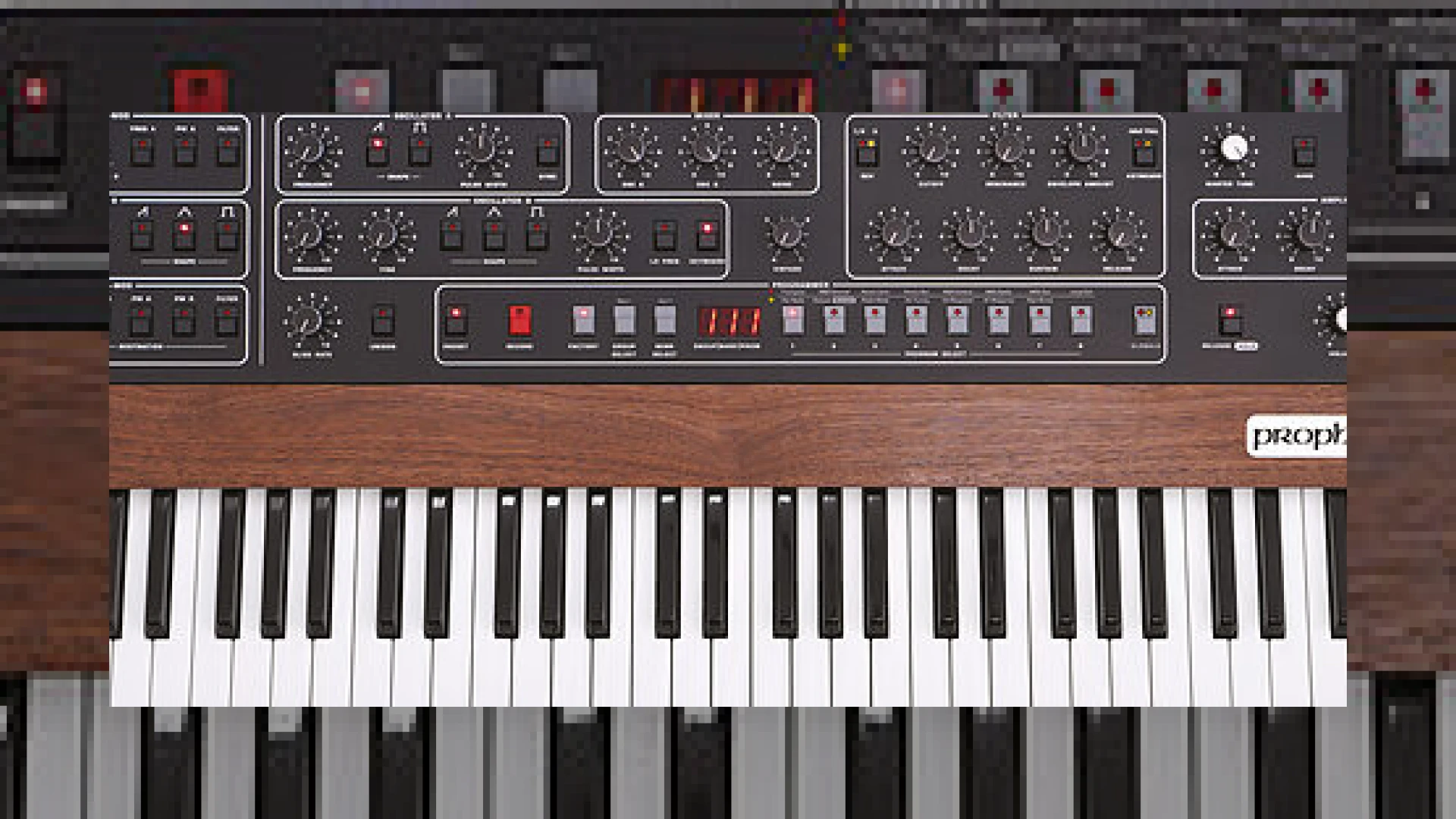
Visual context for Focusrite acquire Sequential.
The global music production landscape has experienced a monumental shift with the official announcement that British audio giant Focusrite PLC has completed the acquisition of Sequential, the legendary synthesizer pioneer founded by Dave Smith. The news that focusrite acquire sequential has sparked widespread excitement across both the analog synthesis and digital recording communities. As sequential joins a highly prestigious roster of brands—including ADAM Audio, Novation, Martin Audio, and Ampify—audio professionals are looking closely at what this means for the future of hybrid studio hardware.
From a technical standpoint, this acquisition represents far more than a simple corporate merger. By analyzing how the transition of power and resources will impact R&D, engineers can anticipate groundbreaking developments in analog-digital integration. Now that we see focusrite acquire sequential, the potential for combining Focusrite’s premium preamps and conversion protocols with Sequential’s legendary analog voice architectures could redefine modern hybrid workflows.
Why Focusrite Acquire Sequential Matters to Producers
Dave Smith’s contribution to modern music is immeasurable; as the co-creator of MIDI and the designer of the legendary Prophet-5, his vision has guided electronic music for over four decades. By securing Sequential’s intellectual property and engineering pedigree, Focusrite positions itself to bridge the gap between classic analog warmth and cutting-edge digital connectivity. Many industry veterans on our SM Mastering Audio Articles portal have noted that this acquisition fills a massive analog gap in Focusrite’s portfolio, complementing Novation’s digital-focused controller keyboard lineup.
For mastering and mixing engineers, understanding how the decision to have focusrite acquire sequential affects production quality is vital. High-end analog synthesizers demand pristine signal paths, low noise floors, and robust clocking systems. With Focusrite’s immense engineering resources, future Sequential instruments may feature native AD/DA converters, integrated audio-over-IP networking (like Dante), and advanced digital control options that do not compromise their pure analog signal paths.
Technical Specifications of Key Brand Flagships
To understand the synergy of this acquisition, let us look at the current flagship gear from both corporate families that might influence future product development:
| Name | Use | Price (USD) | Rating |
|---|---|---|---|
| Sequential Prophet-5 (Rev 4) | Analog Polyphonic Synthesizer | $3,599 | 4.9/5 |
| Focusrite Red 16Line | Thunderbolt 3 & Pro Tools | HD Interface | $3,499 | 4.8/5 |
| ADAM Audio A7V | Active Studio Monitor (Focusrite Group Brand) | $749 (Each) | 4.7/5 |
| Novation Peak | 8-Voice Polyphonic Desktop Synthesizer | $1,399 | 4.6/5 |
Practical Studio Workflow Tips for Analog Integration
As we watch the market evolve after the decision to have focusrite acquire sequential, maximizing the audio fidelity of your hardware synthesizers in a modern digital audio workstation (DAW) remains highly critical. Here are practical tips for integrating analog synths like the Prophet series into your workflow:
- Optimal Gain Staging: Synthesizers output line-level signals. Avoid plugging them into instrument-level DI inputs unless you require specific impedance coloration. Use high-headroom line inputs on your Focusrite interface to maintain transient response.
- Hybrid Clocking and MIDI: When using modern MIDI over USB alongside classic 5-pin DIN connections, ensure your DAW’s MIDI clock latency is compensated. This ensures your hardware LFOs and arpeggiators align perfectly with your digital session.
- High-End Processing: To give your analog patches a polished, commercial sheen, route them through top-tier emulation suites such as those offered by Universal Audio before sending your final mixdown to mastering.
- Impedance Matching: If you are routing your synthesizer through guitar pedals, utilize a dedicated re-amping box to convert high-impedance signals correctly, preventing high-frequency loss.
Conclusion
Ultimately, the strategic move that saw focusrite acquire sequential marks a bright new chapter for music technology. By leaving Dave Smith’s core R&D team intact while providing them with the massive manufacturing, distribution, and financial backing of the Focusrite Group, the industry is poised to receive highly innovative instruments for years to come. Synthesizer enthusiasts can rest easy knowing that the spirit of innovation that birthed MIDI and the Prophet series is safe, sound, and ready to evolve.
Frequently Asked Questions
Will Sequential synthesizers become digital now?
No. Both Focusrite and Dave Smith have confirmed that Sequential’s day-to-day operations, product roadmaps, and dedicated R&D programs will remain unchanged. Sequential will continue to focus on creating premium analog and hybrid instruments under their own distinct brand identity.
How will this acquisition affect support for older Sequential products?
Customer support, warranty services, and product updates for existing Sequential synthesizers will continue to be handled by Sequential’s highly regarded support team in San Francisco, now backed by Focusrite’s global distribution network.
Can we expect collaborative products between Novation and Sequential?
While no specific products have been announced, both brands now reside under the same corporate umbrella. This sharing of technology could theoretically lead to advanced hybrid controllers, digital-analog hybrid synths, and integrated performance setups in the future.
Written by SM Mastering
Official content on sound engineering, mixing, mastering, and advanced electronic production by SM Mastering.