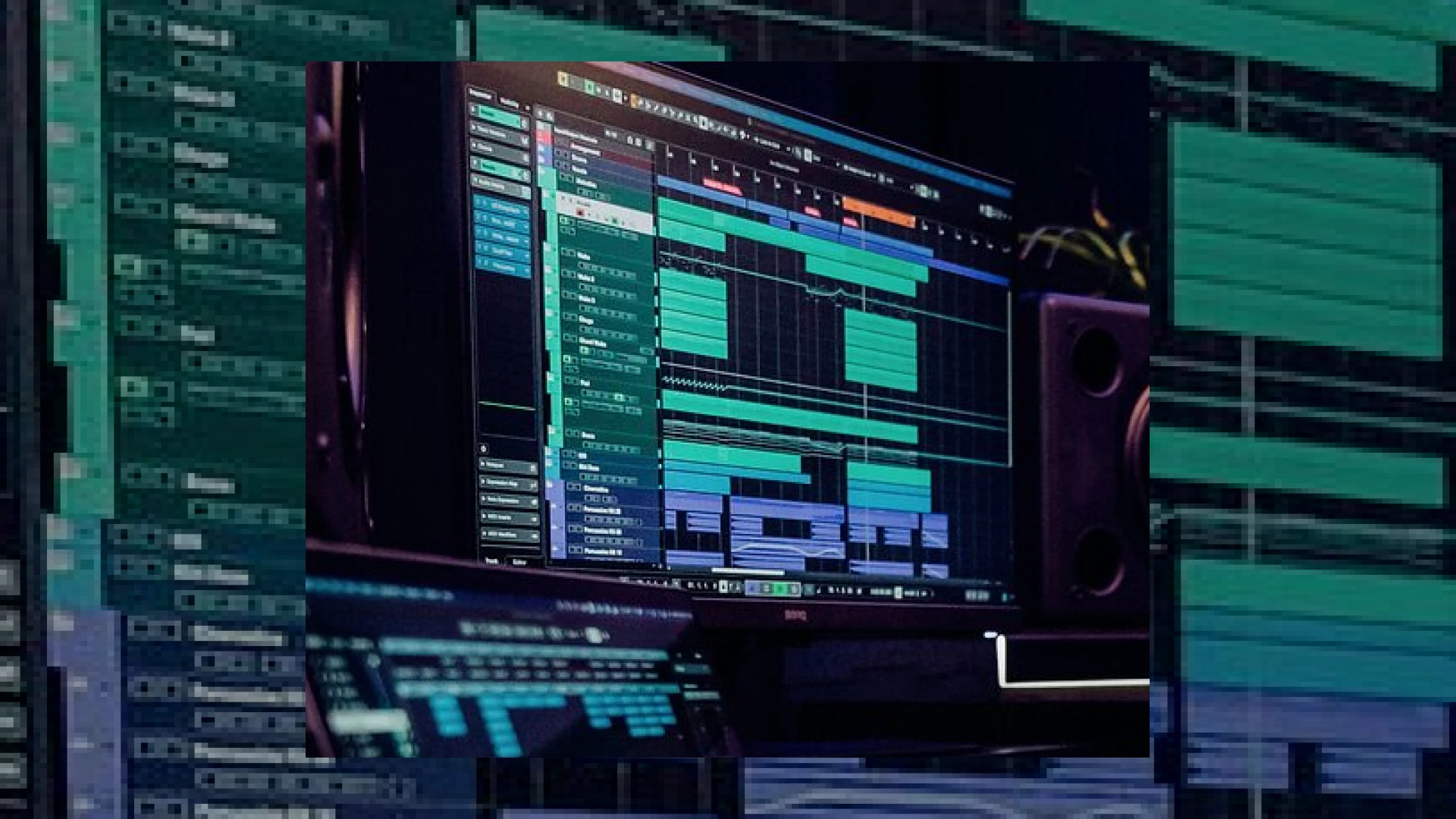
Visual context for Cubase 12 released.
When Steinberg’s flagship digital audio workstation was officially cubase 12 released, it marked a monumental shift for modern music production, especially with the total elimination of physical USB eLicenser dongles in favor of an ID-based soft-licensing system. Here at SM Mastering, we have put this major update through rigorous testing in our acoustic environments to see how it performs under heavy mixing and mastering sessions.
The transition away from hardware keys has been remarkably smooth for most engineers. Furthermore, developers like iZotope have adapted their ecosystem seamlessly to accommodate these modern workflow changes, ensuring that complex plugin chains remain stable across large-scale projects.
Key Architectural Updates After Cubase 12 Released
Since cubase 12 released, producers have been exploring its deep MIDI remote integration, improved audio-to-chord capabilities, and advanced scaling options for high-resolution displays. The removal of the hardware dongle is arguably the most celebrated aspect since cubase 12 released to the global market, allowing professionals to license their software on up to two separate machines seamlessly via Steinberg Licensing.
Key Specifications of the Software
| Specification Name | Primary Use | Standard Price | Studio Rating |
|---|---|---|---|
| Cubase Pro 12 | Full Production, Mixing, & Mastering | $579.99 | 9.8/10 |
| Cubase Artist 12 | Composing & Tracking | $329.99 | 9.2/10 |
| Cubase Elements 12 | Songwriting & Basic Editing | $99.99 | 8.8/10 |
Practical Studio Workflow Tips for Mastering Engineers
When integrating the DAW into a professional mastering chain, optimizing your processing buffer and routing is critical. Before cubase 12 released, managing complex multi-bus routing required convoluted workarounds. Now, with enhanced audio-to-MIDI features and advanced sidechain architecture, you can route internal signals much cleaner. Always utilize the updated built-in frequency analyzer tools for precise spectral evaluation before hitting your analog hardware inserts.
Conclusion
Ultimately, the ecosystem has reached a mature, highly stable state. The inclusion of native Apple Silicon support alongside streamlined license management makes it a compelling upgrade. Whether you are tracking vocals or putting the final limiter on a commercial master, the platform delivers pristine audio performance.
Frequently Asked Questions
Do I still need a USB elicenser after Cubase 12 released?
No, Steinberg has completely abandoned the physical USB eLicenser for this version, moving entirely to a flexible ID-based soft-licensing system.
Can I open older projects in Cubase 12?
Yes, backward compatibility is fully maintained, allowing you to load projects created in older iterations of the software without losing automation or routing data.
Does Cubase 12 include immersive audio mixing tools?
Yes, the Pro edition includes integral Dolby Atmos mixing capabilities and an internal renderer designed for spatial audio workflows.
🛒 Official Product Info & Where to Buy
Check full technical specs, pricing, and purchase options directly from the official manufacturer or authorized dealer for Cubase 12 released.
Written by SM Mastering
Official content on sound engineering, mixing, mastering, and advanced electronic production by SM Mastering.