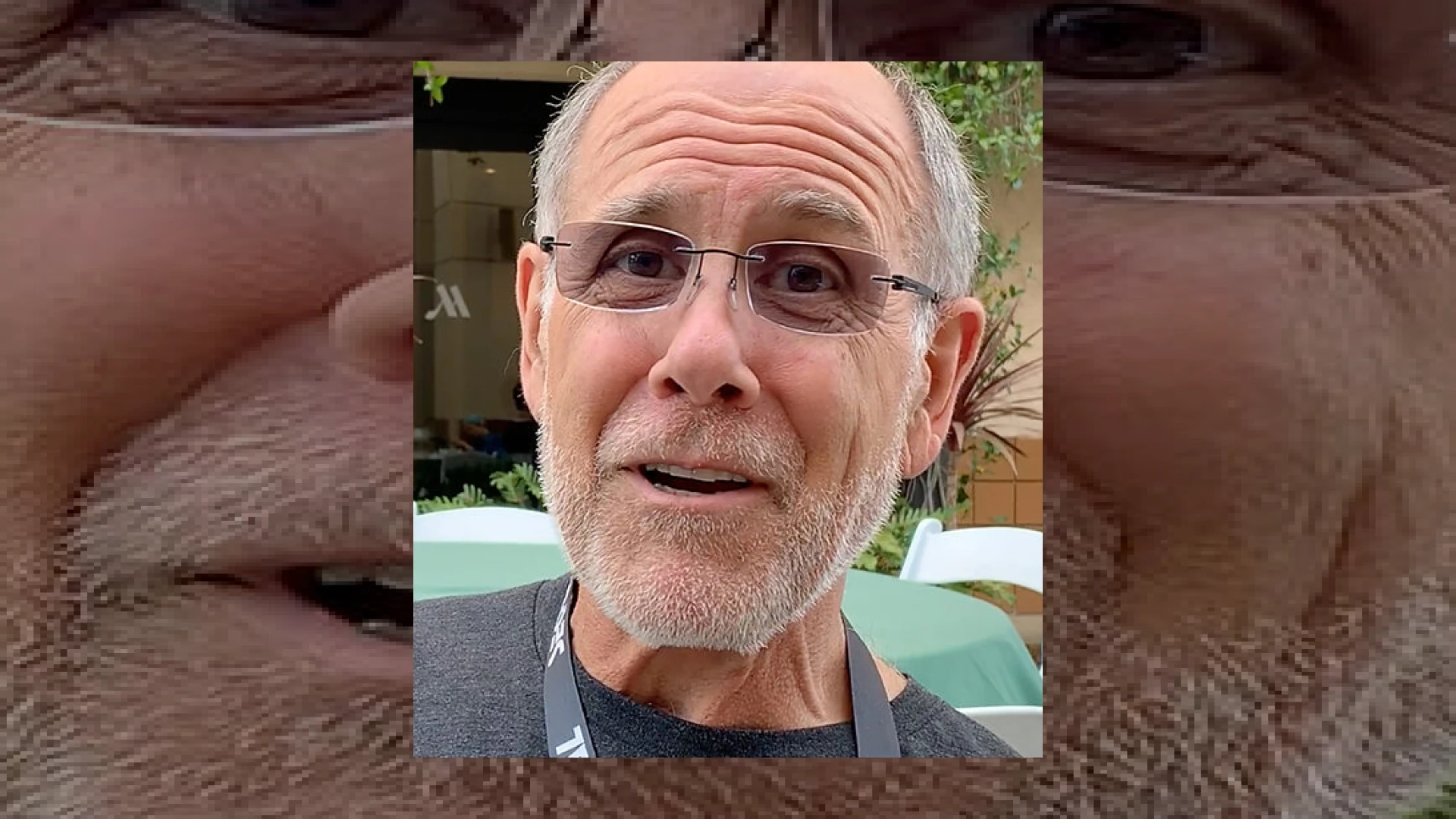
Visual context for Dave Smith (1950 – 2022).
In the world of music production and sound engineering, few figures have left as indelible a mark on electronic music as Dave Smith (1950 – 2022). As an audio expert working closely with hardware and software integration at SM Mastering Audio Articles, I often reflect on the foundational tools that shaped modern mixing, sound design, and synthesis. The visionary engineer redefined how we interact with polyphonic sound, forever changing the trajectory of electronic music and studio production.
The Legacy of Dave Smith (1950 – 2022) in Synthesizer Design
The journey of Dave Smith (1950 – 2022) began with his background in electrical engineering and a personal desire to enhance his own Minimoog. This led to the creation of the Model 600 Analog Sequencer and the eventual founding of Sequential Circuits. His crowning achievement arrived in 1978 with the release of the Prophet-5, which stands as a monumental milestone in audio history. It was the world’s first fully programmable polyphonic analog synthesizer equipped with an on-board microprocessor. For producers seeking premium hardware integration, modern standards owe a massive debt to his innovations, often complemented by precision processing tools like those found at Universal Audio.
Hardware Specifications of Iconic Sequential Instruments
| Name | Use | Price (Vintage/Reissue) | Rating |
|---|---|---|---|
| Sequential Prophet-5 | Polyphonic Analog Synthesis / Studio Production | $3,499 (Current Rev 4 Reissue) | 5/5 |
| Sequential Prophet-6 | Modern Analog Poly-Synth with FX | $2,799 | 4.9/5 |
| Sequential OB-6 | Oberheim-Inspired Collaboration Synth | $2,999 | 4.9/5 |
Practical Studio Workflow Tips Inspired by Dave Smith
Integrating classic analog synthesizers into a modern, high-end mixing workflow requires a strategic approach. When producing with gear designed by legends like Dave Smith (1950 – 2022), follow these studio practices:
Gain Staging: Analog filters react dynamically to input levels. Ensure your interface outputs do not clip the filter inputs on classic polysynths to preserve harmonic integrity.
MIDI Timing and Clock Stability: Because early microprocessors revolutionized step sequencing, make sure your DAW’s MIDI clock is tightly locked to prevent jitter when driving vintage arpeggiators.
EQ and Space: Prophet patches are famously rich in the low-mid frequencies. Carve out precise pockets using linear-phase EQ to ensure the synth sits comfortably alongside vocals and modern transient elements.
Conclusion
The profound impact of Dave Smith (1950 – 2022) resonates in nearly every electronic track we hear today. By bridging the gap between analog warmth and digital control, he gifted generations of producers instruments that inspire limitless creativity. As mixing and mastering engineers, honoring this legacy means treating electronic sound sources with the highest level of sonic care and respect.
Frequently Asked Questions
What was Dave Smith’s most famous invention?
Dave Smith is most famous for creating the Prophet-5, the world’s first fully programmable polyphonic analog synthesizer, released in 1978 under his company Sequential Circuits.
How did Dave Smith contribute to MIDI?
Dave Smith was a primary pioneer of the MIDI (Musical Instrument Digital Interface) protocol, proposing the universal standard in the early 1980s that allowed synthesizers from different manufacturers to communicate with one another.
Are modern Sequential instruments still faithful to the original designs?
Yes, modern reissues—such as the Prophet-5 Rev 4—utilize authentic analog components and original filter designs while incorporating modern reliability, tuning stability, and USB-MIDI capabilities.
🛒 Official Product Info & Where to Buy
Check full technical specs, pricing, and purchase options directly from the official manufacturer or authorized dealer for Dave Smith (1950 – 2022).
Written by SM Mastering
Official content on sound engineering, mixing, mastering, and advanced electronic production by SM Mastering.