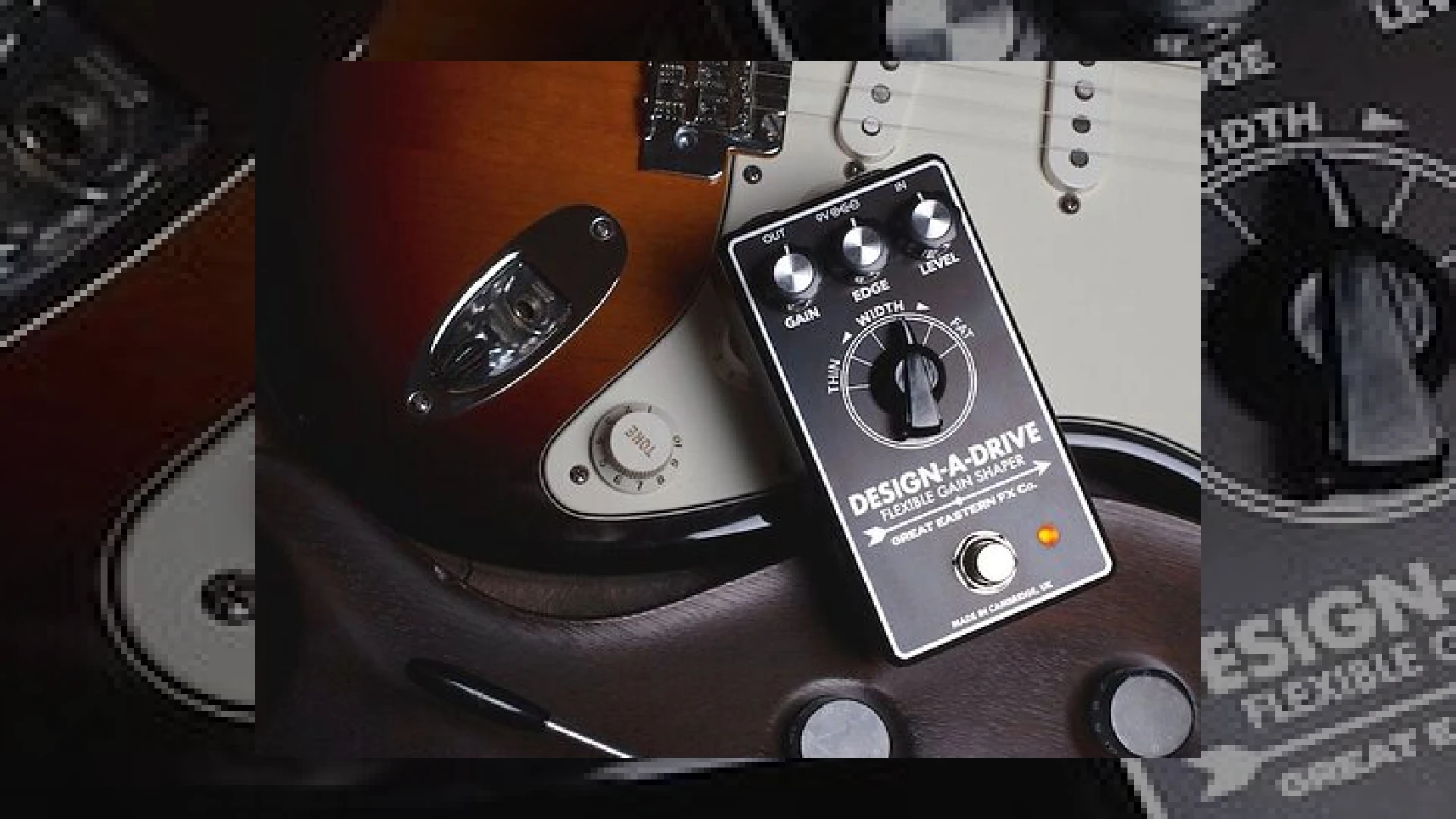
Visual context for Great Eastern FX Design-a-drive.
As an audio engineer and mastering practitioner here at SM Mastering, I constantly evaluate how individual gain stages and stompboxes interact with the broader frequency spectrum before signals even reach our conversion stages. When evaluating hardware integration for hybrid mixing environments, finding overdrive units that do not choke high-frequency transients or muddy the low-mid response is paramount. This brings us to the British boutique pedal market, where innovative circuit topology is currently redefining how we approach gain staging. For those looking to dive deeper into how guitar tones sit within a professional mix, you can read more insights over at our SM Mastering Audio Articles. Today, we are taking a close, technical look at how the great eastern fx design-a-drive handles complex harmonic distortion and dynamic range adjustments in a studio setting.
Understanding the Architecture of the Great Eastern FX Design-a-drive
Traditional overdrive pedals are often restricted by fixed-frequency tone stacks that can clash unfavorably with specific pickup and amplifier combinations. The great eastern fx design-a-drive was specifically engineered to bypass this limitation by putting core circuit adjustments directly into the hands of the player or engineer. Instead of a standard passive tone knob, this unit features proprietary ‘Width’ and ‘Edge’ controls. The Edge parameter simultaneously governs two separate high-frequency filters—a gentle treble roll-off paired with a sharper cut in the upper presence region—allowing you to tame harshness without dulling the overall articulation.
When tracking through hardware or preparing mixes with tools certified by industry giants like Universal Audio, maintaining clean phase relationships and balanced frequency distribution is crucial. The great eastern fx design-a-drive excels here because its internal layout lets you dynamically reshape the circuit’s fundamental frequency response on the fly, ensuring your guitar tracks sit naturally in a dense mix without requiring heavy post-processing EQ.
Studio Workflow Tips for Hardware Overdrive
Integrating a versatile stompbox like the great eastern fx design-a-drive into a professional DAW-based workflow opens up numerous creative routing options:
* **Re-amping Sessions:** Feed a clean DI track out of your interface into the pedal to dial in exact gain structures that complement your virtual amp simulators or power amp setups.
* **Bus Processing:** Send stereo synth leads or auxiliary percussion elements through the pedal, using the unique frequency-shaping controls to add gritty, analog harmonic saturation.
* **Gain Staging Balance:** Keep the input levels moderate from your interface’s re-amp box to preserve the pedal’s natural touch-sensitivity and dynamic envelope response.
Product Specifications
| Specification | Detail |
|---|---|
| Name | Great Eastern FX Design-a-drive |
| Use | Versatile Overdrive Pedal with Tone-Shaping Controls |
| Price | Boutique Market Standard (~£200–£250 range) |
| Rating | 4.8 / 5.0 (SM Mastering Studio Choice) |
Conclusion
The great eastern fx design-a-drive bridges the gap between fixed-tone vintage circuits and modern studio-grade versatility. By allowing engineers and guitarists to actively re-sculpt the core frequency response of the overdrive circuit, it eliminates the guesswork of matching pedals to specific pickups and amplifiers. Whether you are tracking live sessions or adding analog warmth to auxiliary mix stems, this unit proves to be an exceptionally reliable and inspiring tool.
Frequently Asked Questions
How does the Edge control differ from a standard tone knob?
Unlike a conventional passive treble cut that simply rolls off high frequencies, the Edge control on the great eastern fx design-a-drive simultaneously adjusts two independent filters—a gentle high-frequency roll-off and a more focused cut in the upper presence region—providing a much more musical and transparent adjustment.
Can I use this pedal for instruments other than electric guitar?
Yes! Because of its unique frequency-shaping capabilities, it works wonderfully on bass guitar, synthesizers, and drum machine tracks when you want to inject dynamic analog saturation and harmonic grit.
Is the pedal suitable for high-gain modern metal tones?
While it is primarily voiced as an organic, touch-sensitive overdrive rather than a crushing metal distortion box, it functions exceptionally well as a front-end boost to tighten up high-gain amplifier channels or virtual sims.
🛒 Official Product Info & Where to Buy
Check full technical specs, pricing, and purchase options directly from the official manufacturer or authorized dealer for Great Eastern FX Design-a-drive.

Written by SM Mastering
Official content on sound engineering, mixing, mastering, and advanced electronic production by SM Mastering.