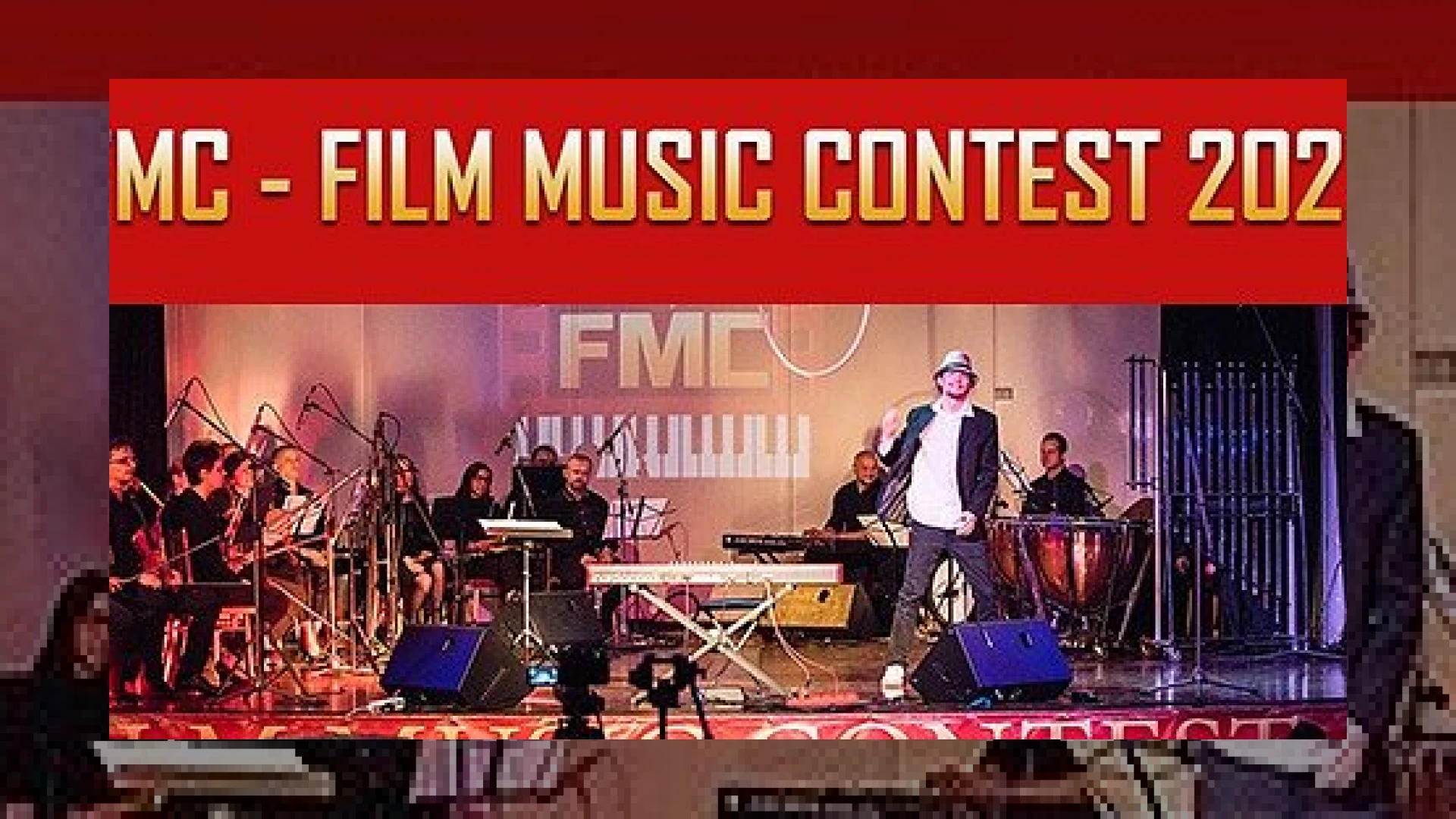
Visual context for FMC – Film Music Contest 2022.
As mixing and mastering engineers, we often encounter projects that begin life as fierce competition pieces. The annual SM Mastering Audio Articles desk has been closely analyzing submissions and workflow structures from various international showcases. Evaluating cinematic compositions requires a distinct technical approach, especially when preparing multi-stem audio for high-end visual media. When producers push their dynamic range to the absolute limit, balancing orchestral arrangements with modern electronic elements demands clinical precision.
Technical Insights Into fmc – film music contest 2022
The global creative community witnessed an unprecedented surge in entries during the fmc – film music contest 2022. Spanning multiple categories from full feature film scoring to immersive game audio design, participants utilized complex template sessions running hundreds of tracks. To manage CPU loads and phase coherence during heavy orchestral sessions, professionals frequently rely on advanced processing tools like those found in the iZotope software ecosystem to clean up muddy low-end resonances before final summing.
Participating in the fmc – film music contest 2022 highlighted the critical importance of spatial imaging and depth. Achieving 3D realism in a stereo mixdown requires meticulous use of early reflections, algorithmic reverb tails, and precise EQ automation. Competitors who succeeded in the fmc – film music contest 2022 typically delivered pristine mixes with controlled transient responses that left ample headroom for dialogue and sound effects.

Additional product view and interface angle for FMC – Film Music Contest 2022.
Audio Specifications and Production Tools
| Tool / Resource | Primary Studio Use | Approximate Price | Industry Rating |
|---|---|---|---|
| Orchestral Template Suite | Multi-channel scoring & stem routing | $499 | 4.8 / 5 |
| Advanced Limiter VST | True-peak mastering for cinematic delivery | $199 | 4.9 / 5 |
| Conconvolution Reverb | Acoustic space modeling for scoring stages | $299 | 4.7 / 5 |
| Video Sync Workstation | Frame-accurate audio-to-picture alignment | $349 | 4.6 / 5 |
Practical Studio Workflow Tips for Cinematic Mixes
Preparing tracks for major evaluation platforms such as the fmc – film music contest 2022 requires a systematic approach to stem bouncing and gain staging. Follow these essential studio practices to ensure translation across all playback systems:
- Gain Staging Your Submixes: Keep individual orchestral instrument buses peaking around -18 dBFS to leave ample headroom for the master bus chain.
- Dynamic EQ on Dialogue Ranges: Carve out specific frequency pockets in your mid-range instrumentation (between 1 kHz and 3 kHz) so that future voiceovers or sound effects sit naturally in the mix.
- Stem Export Organization: Always deliver 24-bit/48kHz WAV stems grouped logically into Drums, Bass, Orchestral Strings, Brass, Percussion, and Synths.
Conclusion
The pursuit of excellence in modern media scoring demands both artistic vision and rigorous technical execution. Competitions like the fmc – film music contest 2022 serve as a phenomenal benchmark for upcoming and established composers alike. By utilizing proper calibration, pristine monitoring environments, and disciplined mixing habits, audio creators can ensure their cinematic works translate seamlessly from studio monitors to major theatrical and digital releases.

Additional product view and interface angle for FMC – Film Music Contest 2022.
Frequently Asked Questions
What audio format is typically required for submissions?
Most professional competitions, including major film scoring contests, require uncompressed 24-bit/48kHz stereo WAV files for final track evaluations.
How can I prevent phase cancellation when layering virtual orchestral instruments?
Use phase correlation meters on your master bus and submixes, and carefully adjust the sample delay or micro-timing of layered sample libraries to ensure mono-compatibility.
Why is true-peak limiting essential for cinematic music production?
Cinematic audio often undergoes stringent loudness normalization and transcoding for streaming platforms and cinemas. True-peak limiters prevent inter-sample clipping when the audio is converted to lossy formats.

Written by SM Mastering
Official content on sound engineering, mixing, mastering, and advanced electronic production by SM Mastering.