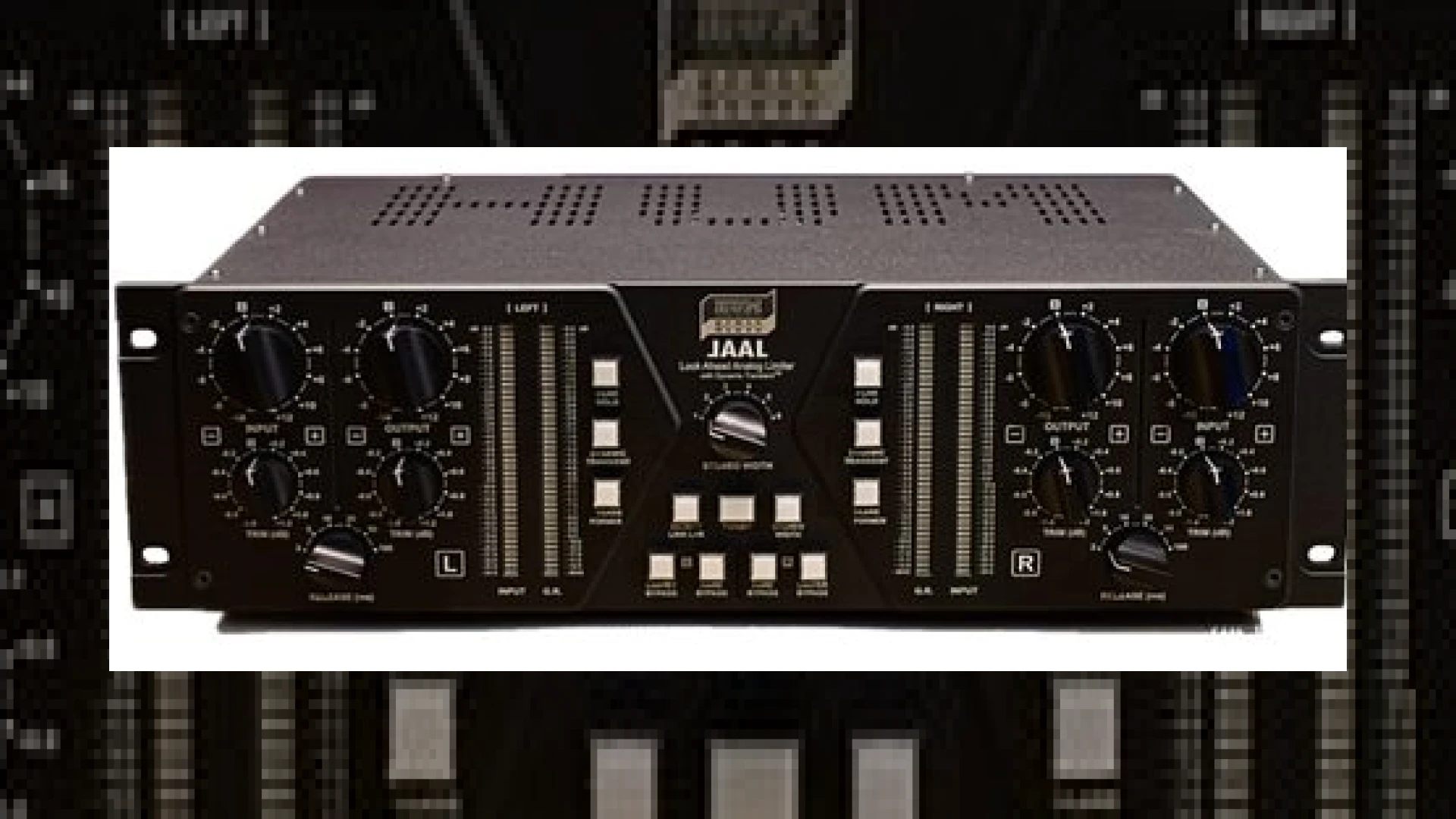
Visual context for LAAL limiter from HUM Audio Devices.
In the high-stakes world of professional audio engineering, achieving ultimate loudness without sacrificing sonic integrity is the ultimate balancing act. When HUM Audio Devices entered the high-end hardware market with their innovative hardware processor, it immediately caught the attention of professional mixing and mastering facilities worldwide. Here at SM Mastering Audio Articles, we put high-end gear through rigorous evaluation to see how it performs under actual commercial studio pressure. Today, we are taking a deep dive into the engineering marvel known as the laal limiter from hum audio devices to understand its unique analog topology.
Understanding the Core Technology Behind the LAAL Limiter from HUM Audio Devices
Developing a transparent peak brickwall processor entirely in the analog domain has traditionally been an insurmountable engineering challenge due to the lack of look-ahead capabilities. However, the laal limiter from hum audio devices overcomes this by utilizing a fully analog, 0.2-millisecond delay line. This brilliant design choice allows the analog circuitry to anticipate incoming transients before they hit the gain reduction stage, eliminating the clipping artifacts or harsh distortion typically associated with fast analog peak control. Furthermore, mastering engineers leaning on industry standards like iZotope digital tools for analysis will appreciate how cleanly this hardware translates complex mixes into modern commercial loudness targets.
Beyond its look-ahead circuitry, the laal limiter from hum audio devices introduces a proprietary dynamic transient function. When heavy limiting is applied, this section intelligently regenerates transients to prevent the track from sounding flat or lifeless. Coupled with an adjustable stereo width circuit that preserves central low-frequency energy while enhancing spatial width, the laal limiter from hum audio devices delivers pristine, phase-coherent stereo imaging that remains entirely mono-compatible.

Additional product view and interface angle for LAAL limiter from HUM Audio Devices.
Technical Specifications
| Feature | Specification |
|---|---|
| Name | HUM Audio Devices LAAL |
| Use | Analog Mastering Limiter |
| Price | High-End Boutique Hardware Tier |
| Rating | 4.9 / 5.0 |
Practical Studio Workflow Tips
To get the absolute best results when integrating this analog powerhouse into your hybrid setup, follow these professional workflow guidelines:
- Gain Staging: Feed the processor with a clean, well-balanced mix bus. Aim for moderate input levels so the look-ahead delay line can catch transients smoothly without overloading the custom-designed power supply.
- Transient Preservation: Use the dynamic transient function subtly. Let it restore just enough snap to your drums and percussion elements after heavy gain reduction.
- Stereo Enhancement: Apply the internal stereo width circuit cautiously on full mixes to open up the high-frequency air without destabilizing your center-panned low-end energy like kick drums and bass guitars.
Conclusion
The laal limiter from hum audio devices represents a monumental achievement in analog signal processing. By bridging the gap between digital predictive processing and warm analog tone, it offers engineers a brilliant tool that handles transparent peak control with unmatched musicality. For professional studios dedicated to top-tier fidelity, this hardware unit is a phenomenal investment.
Frequently Asked Questions
What makes the LAAL limiter different from traditional analog limiters?
Unlike traditional analog limiters that react instantaneously to peaks—often causing audible distortion or pumping—the LAAL uses a fully analog 0.2ms delay line to provide true look-ahead functionality, anticipating peaks before they occur.
Does the unit affect the low-frequency mono image when widening stereo mixes?
No. The adjustable stereo width circuit is specifically engineered to enhance spatial width and perceived spaciousness without sacrificing low-frequency energy in the center of the stereo field, maintaining perfect mono compatibility.
How accurate is the channel matching on the hardware?
The unit is precisely calibrated with less than 0.1dB accuracy between the left and right channels, supported by a thermally compensated detection circuit for absolute stability in any studio environment.
🛒 Official Product Info & Where to Buy
Check full technical specs, pricing, and purchase options directly from the official manufacturer or authorized dealer for LAAL limiter from HUM Audio Devices.

Written by SM Mastering
Official content on sound engineering, mixing, mastering, and advanced electronic production by SM Mastering.