Visual context for AES student event returns this weekend.
The landscape of professional audio engineering is constantly evolving, driven by rapid technological advancements and fresh artistic perspectives. Here at SM Mastering, we understand that nurturing the next generation of mixing and mastering engineers is vital for the continued growth of our industry. This is why we are incredibly excited to share that the prestigious aes student event returns this weekend to serve as a beacon of education, inclusivity, and technical excellence for aspiring audio professionals across the United Kingdom and beyond.
Hosted by Leeds Beckett University, “Up Your Output” is the Audio Engineering Society’s (AES) British Section’s premier event for students and young practitioners. Taking place on March 17 and 18, this highly anticipated gathering serves as an educational hub, bringing together students, seasoned practitioners, academics, and professional audio companies. Through a robust schedule of lectures, workshops, product demos, recording competitions, and networking events, attendees will gain direct exposure to industry-standard workflows and cutting-edge methodologies.
Why the AES Student Event Returns This Weekend
The primary motivation behind “Up Your Output” is to break down industry barriers and provide direct access to world-class mentorship. The AES describes the event as a “flagship for equality and inclusivity.” It aims to encourage positivity, foster good practices among young engineers, and expose them to a highly diverse roster of inspiring role models. In a field historically characterized by steep learning curves and gatekeeping, this event stands out as an accessible gateway to real-world expertise.

Additional product view and interface angle for AES student event returns this weekend.
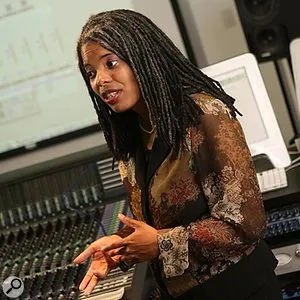
During the two-day event, attendees will have the unique opportunity to engage with industry giants. A highlight of the weekend is the participation of MPG Breakthrough Engineer of the Year, Marta Salogni. Known for her exceptional work with legendary artists such as Björk, M.I.A, FKA Twigs, Frank Ocean, and Glass Animals, Salogni will deliver two exclusive mixing workshops. As the aes student event returns this weekend, students are treated to these types of high-caliber, practical demonstrations that bridge the gap between academic theory and professional studio execution.
For those looking to expand their technical toolsets outside of live workshops, exploring industry-standard software is crucial. Many professionals rely on advanced software suites from manufacturers like iZotope and Universal Audio to achieve pristine sonic results. Integrating these professional tools early in your career is a major step toward standardizing your creative output.
Additional product view and interface angle for AES student event returns this weekend.
Key Workshops and Technical Sessions
The event features a diverse schedule designed to cover multiple facets of modern audio production, from traditional recording techniques to spatial audio and post-production. Here is a breakdown of the key sessions scheduled for the weekend:
- Stereo and Immersive Mastering: Acclaimed engineer Kate Tavini will host a masterclass focusing on the delicate art of mastering. For students wanting to learn more about preparing their mixes for commercial release, reading through our curated SM Mastering Audio Articles can provide additional context on modern loudness targets and dynamic range.
- Remote Foley Sessions: Engineer, musician, and educator Leslie Gaston-Bird will deliver a compelling lecture titled ‘Walking Across the Pond: Using SourceConnect for an Overseas Foley Session’, detailing the complexities of real-time remote collaboration.
- Introduction to Game Audio: Richard Stevens and Dave Raybould will demystify the non-linear world of sound design and implementation for video games.
- Audio for Virtual Reality (VR): Gavin Kearney from the York Audio Lab will lead a deep dive into spatial audio, ambisonics, and the future of immersive consumer experiences.
- Student Recordings Critique: Ian Corbett will lead a constructive critique session, giving students direct, actionable feedback on their personal mixes and masters.
This is why the aes student event returns this weekend with a strong emphasis on cross-disciplinary training, ensuring that whether a student wants to work in game design, film post-production, or stereo music mastering, there is a specialized pathway of learning available to them.
Essential Studio Tools for Emerging Engineers
To help students prepare for the technical demands of these workshops, we have compiled a list of highly recommended tools and resources that are frequently discussed during AES educational panels:
| Name | Use | Price | Rating |
|---|---|---|---|
| AES Student Membership | Networking, Journals, and Event Discounts | $50 / Year | 4.9 / 5.0 |
| iZotope Ozone Standard | Mastering & Audio Analysis | $199 (Edu Discounts Available) | 4.8 / 5.0 |
| Source-Connect Standard | Remote Recording & Foley Collaboration | $650 (or Subscription) | 4.7 / 5.0 |
| Reaper DAW | Multi-track Recording and VR Spatial Audio Rendering | $60 (Discounted License) | 4.6 / 5.0 |
Practical Studio Workflow Tips for Emerging Engineers
Attending educational events is a fantastic way to acquire knowledge, but implementing that knowledge into your daily studio routine is where true growth happens. Here are several practical workflow tips inspired by the curriculum of this weekend’s AES sessions:
- Establish a Bulletproof File Management System: Before you import a single audio file, establish a strict naming convention (e.g.,
YYMMDD_ProjectName_BPM_TrackName_Version). This is especially critical during remote collaborations using source-connection software, where multiple engineers handle the same assets. - Protect Your Headroom: When mixing, aim to keep your master bus peaks between -6 dBFS and -3 dBFS. This dynamic safety margin gives mastering tools and engineers the clean signal they need to optimize transient response and competitive loudness without introducing unwanted digital clipping.
- Calibrate Your Monitoring Environment: Even the most expensive monitors will lie to you in an untreated room. Use reference tracks of commercial releases that you know intimately to calibrate your ears to your mixing space before starting a session.
- Embrace Mono Compatibility: Frequently check your mix in mono. Immersive audio and wide stereo images are fantastic, but if your lead vocal or bass elements disappear in mono, your mix will fail on consumer smart speakers, club sound systems, and mobile phones.
Conclusion
Ultimately, the aes student event returns this weekend to inspire, educate, and unify the next generation of sound engineers. By providing direct access to award-winning professionals like Marta Salogni and Kate Tavini, the Audio Engineering Society continues to champion high standards of technical excellence and inclusivity. Whether you are attending the sessions at Leeds Beckett University in person or applying these advanced mastering workflows in your home studio, engaging with these topics is the surest path to sonic mastery.
Frequently Asked Questions
What is the primary focus of the “Up Your Output” AES event?
“Up Your Output” is a student-focused event organized by the British Section of the Audio Engineering Society. Its main goal is to support young audio professionals and students by offering lectures, practical mixing and mastering workshops, networking opportunities, and feedback on their creative work in an inclusive environment.
Who can attend the AES student event returning this weekend?
<pWhile the event is primarily tailored toward students, academics, and young professionals starting their careers in audio engineering, it is open to anyone interested in sound design, music production, VR audio, game audio, or mastering.
Why is room calibration and monitoring so important for mastering?
Mastering requires making micro-decisions regarding equalization, compression, and stereo imaging. If your room or monitors are colored or untreated, you will end up overcompensating for acoustic deficiencies in your room rather than correcting actual problems within the mix itself.
Written by SM Mastering
Official content on sound engineering, mixing, mastering, and advanced electronic production by SM Mastering.