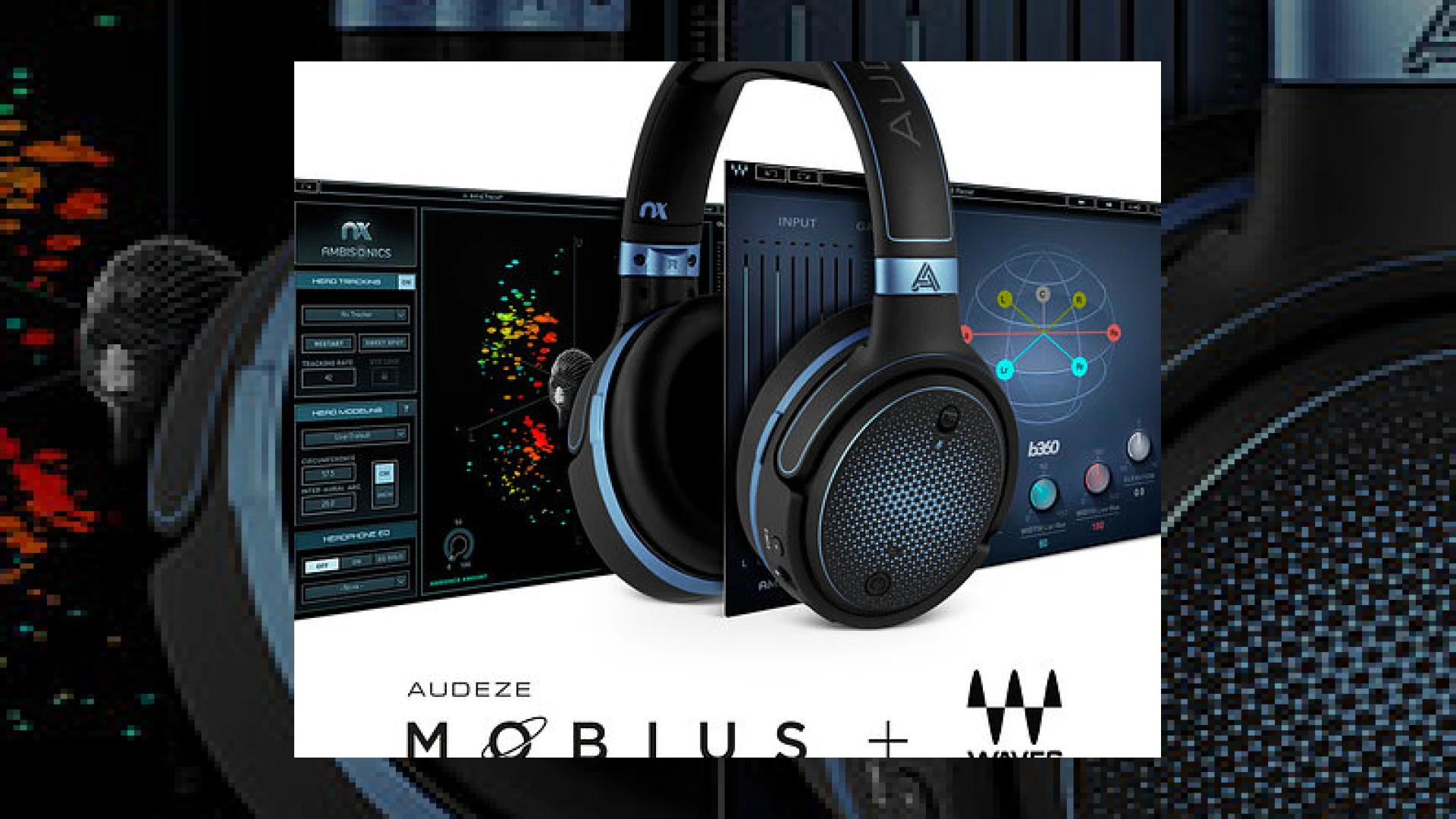
Visual context for Audeze Mobius headphones harness 3D audio tech.
As professional mastering engineers at SM Mastering, we constantly analyze groundbreaking monitoring tools that change how we perceive spatial and binaural depth. In recent years, immersive soundscapes have moved from niche formats to mainstream requirements across streaming platforms. The release of this hardware has sparked significant interest in the professional community, particularly because the audeze mobius headphones harness 3d audio tech to deliver ultra-low latency, head-tracked acoustic environments directly to your ears without requiring expensive speaker arrays.
How the Audeze Mobius Headphones Harness 3D Audio Tech
To understand why this monitoring system is a game-changer, we must look at the physical architecture. By combining 100mm planar magnetic transducers with custom digital signal processing, these headphones produce transient responses that traditional dynamic drivers simply cannot match. This ultra-fast response is critical because when the audeze mobius headphones harness 3d audio tech, the phase coherence across the frequency spectrum must remain absolutely pristine to maintain the illusion of three-dimensional space.
Planar magnetic drivers use a micro-thin diaphragm suspended in a magnetic field. This allows the diaphragm to move uniformly, minimizing distortion and providing the raw speed necessary to render complex spatial cues. When tracking head movements, any lag in the audio positioning would immediately break the spatial illusion and cause listener fatigue.
Integration with Waves Nx and Binaural Workflows
The core of the spatial engine is built upon the Waves Nx algorithm. By working closely with leading software developers like Waves Audio, Audeze has created a closed-loop system where hardware sensors communicate directly with spatial rendering software. Typically, plugins like Waves Nx require an external camera or a separate Bluetooth tracker strapped to the headband. However, the internal 9-axis motion sensors inside this unit eliminate these clumsy add-ons.
Because of this built-in hardware integration, the audeze mobius headphones harness 3d audio tech more efficiently than typical software-only setups, bypassing excessive CPU buffers to deliver real-time head-tracking with zero noticeable latency. For engineers looking to expand their monitoring setups, exploring how these systems interact with mastering rooms is essential. For more deep-dives into modern hardware calibration and advanced mixing systems, explore our library of SM Mastering Audio Articles.
Technical Specifications
To understand where this unit fits in your studio toolkit, here is a breakdown of the key specifications:
| Name | Use | Price | Rating |
|---|---|---|---|
| Audeze Mobius | Immersive Mixing, Ambisonics & Binaural Monitoring | $399 USD | 4.7 / 5 |
Practical Studio Workflow Tips
If you want to integrate these headphones into your professional mixing or mastering workflow, we recommend following these steps:
- Anatomical Calibration: Before starting your mix, use the Audeze HQ application to enter your specific head measurements. Customizing the interaural time differences (ITD) based on your skull geometry is vital for precise front-to-back localization.
- Use Wired Connections: While the unit supports Bluetooth, always use the USB or analog connection when working inside your DAW. This avoids Bluetooth data compression and guarantees the lowest latency possible.
- Verify Binaural Translating: When referencing spatial mixes, verifying how the audeze mobius headphones harness 3d audio tech compared to standard stereo monitors is crucial to ensure your binaural folds translate well to consumer devices.
Conclusion
Ultimately, the way the audeze mobius headphones harness 3d audio tech sets a new benchmark for mobile spatial monitoring. By merging highly precise planar magnetic drivers with integrated Waves Nx head tracking, they provide engineers with an accurate virtual control room that stays consistent wherever they go. While they cannot fully replace an acoustically treated multi-speaker mastering room, they represent a highly reliable, high-fidelity reference tool for the modern immersive audio landscape.
Frequently Asked Questions
Do these headphones require a separate head-tracker?
No. Unlike traditional setups that require an external webcam or a strap-on Bluetooth tracker, these headphones feature a built-in 9-axis motion sensor that handles all tracking internally and communicates directly with your host computer.
Can I use this system with standard stereo audio files?
Yes. The onboard processor can upmix standard stereo signals into a virtual 3D soundstage, allowing you to reference your traditional mixes inside a simulated, acoustically treated room environment.
Which audio formats are supported over the digital connection?
The system natively supports stereo, 5.1, 7.1 surround, and Ambisonics formats when connected via USB, making it a highly versatile choice for game developers, film mixers, and spatial audio creators alike.
🛒 Official Product Info & Where to Buy
Check full technical specs, pricing, and purchase options directly from the official manufacturer or authorized dealer for Audeze Mobius headphones harness 3D audio tech.

Written by SM Mastering
Official content on sound engineering, mixing, mastering, and advanced electronic production by SM Mastering.