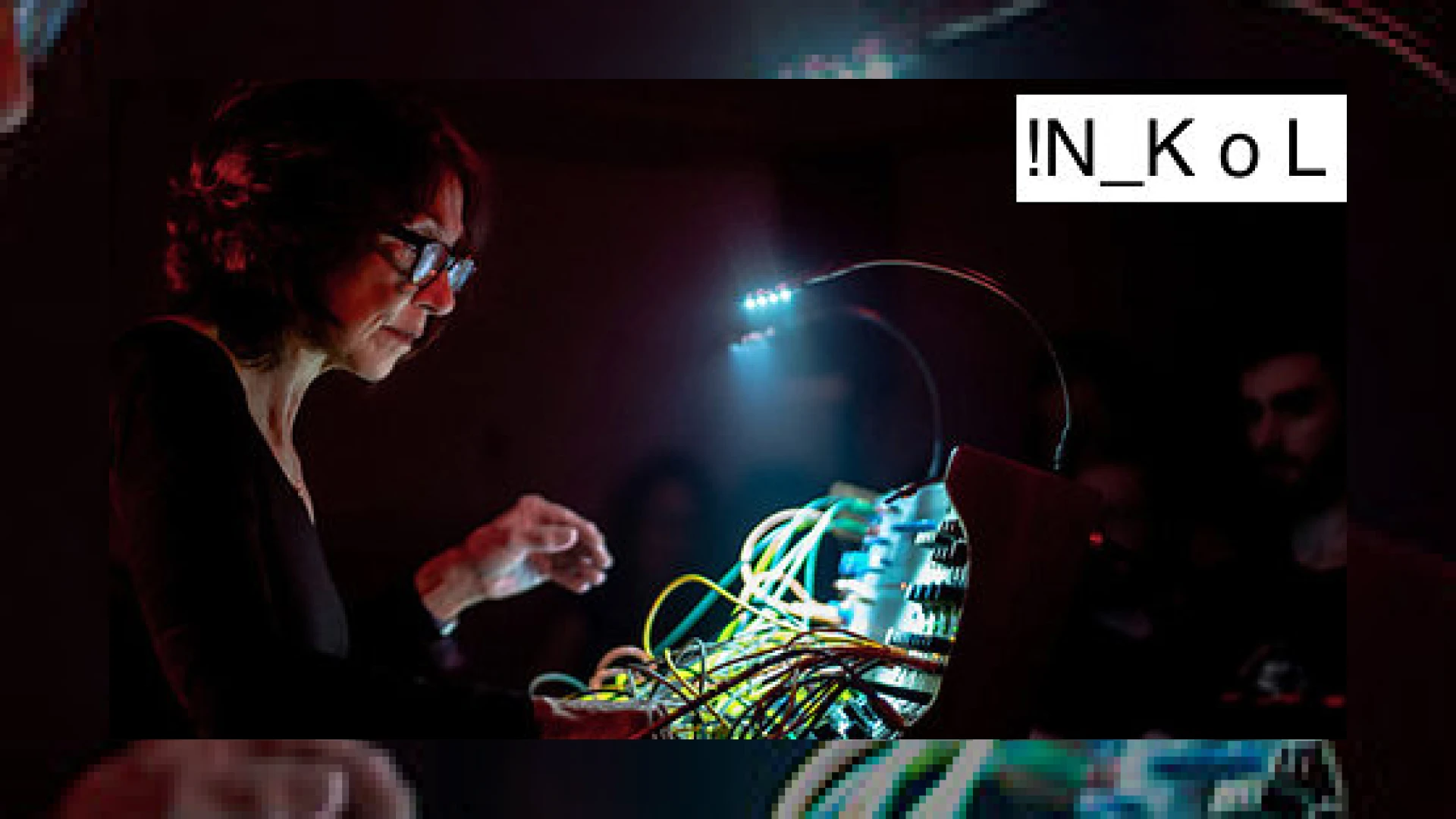
Visual context for Women Produce Music (WPM) launch !N_K o L //\ B.
At SM Mastering Audio Articles, we continuously track pivotal shifts in the music technology landscape. The highly anticipated women produce music (wpm) launch !n_k o l //\ b represents a massive leap forward for electronic music production, hybrid studio workflows, and industry diversity. Founded by composer and producer Katia Isakoff, Women Produce Music (WPM) is an artist-led non-profit organization designed to support, promote, and elevate female-identifying music makers, producers, and audio engineers. Through its pioneering !N_KoLAB series, the initiative redefines the modern recording studio as an active, living instrument—a laboratory for deep sonic exploration and collaborative composition.
Analyzing the Technical Depth of the women produce music (wpm) launch !n_k o l //\ b
The core philosophy of the !N_KoLAB initiative lies in its rejection of traditional, sterile tracking methods. Instead, it champions an interactive environment where modular synthesizers, analog consoles, and digital audio workstations (DAWs) merge. Industry professionals have lauded how the women produce music (wpm) launch !n_k o l //\ b establishes a structured, high-end laboratory environment supported by major entities like the PRS Foundation Open Fund and Moog Music Inc.. This framework allows artists to experiment with complex signal chains, control voltage (CV) cross-patching, and multi-channel spatial audio routing.
For the inaugural session coinciding with the women produce music (wpm) launch !n_k o l //\ b, Katia Isakoff is joined by five-time Grammy-nominated electronic music pioneer Suzanne Ciani. Ciani’s expertise with the Buchla modular synthesizer—particularly her work in quadraphonic sound—provides an incredible technical foundation for the project. By utilizing the studio as an interactive compositional tool, the project challenges engineers to think beyond standard stereo fields and delve into immersive spatial soundscapes.
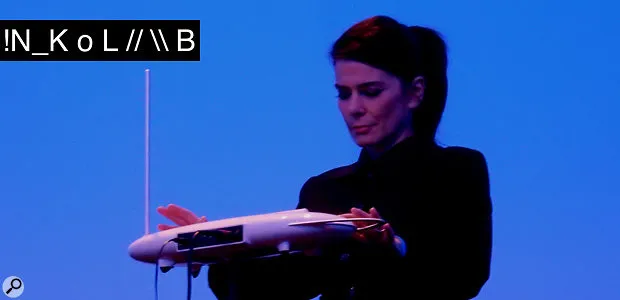
Additional product view and interface angle for Women Produce Music (WPM) launch !N_K o L //\ B.
Initiative Specifications & Collaborative Framework
To better understand the scale and technical setup behind this launch, we have compiled a specifications table highlighting the primary creative and hardware parameters of the !N_KoLAB project:
| Name | Use | Price | Rating |
|---|---|---|---|
| !N_KoLAB Pilot Series | Collaborative analog synthesis & spatial composition laboratory | Funded (Non-Profit / PRS Foundation) | 5 / 5 Stars |
| Buchla 200e / Modular Systems | Quadraphonic sound generation and CV sound design | Varies (High-end hardware) | 4.9 / 5 Stars |
| Moog Sub 37 / Subsequent Series | Monophonic basslines and lead synthesis integration | $1,499 – $1,899 | 4.8 / 5 Stars |
| Hybrid DAW Systems (e.g., Ableton/Pro Tools) | Multi-track capturing, MIDI synchronization, and archival tracking | $350 – $599 (Standard licenses) | 4.7 / 5 Stars |
Practical Studio Workflow Tips Inspired by !N_KoLAB
Studying the architectural setup of the women produce music (wpm) launch !n_k o l //\ b can inspire new routing matrices and hybrid philosophies in your own commercial or home studio. Here are some actionable workflow tips to adopt:
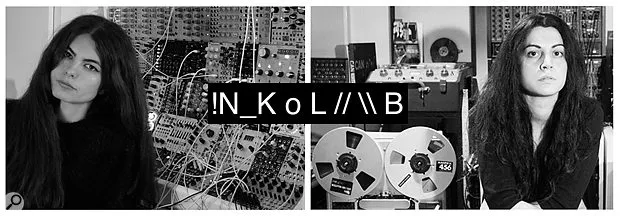
Additional product view and interface angle for Women Produce Music (WPM) launch !N_K o L //\ B.
- The Studio as an Instrument: Stop treating your outboard gear as static processing blocks. Patch dynamic audio loops from your DAW back into analog filter sweeps, guitar pedals, or Eurorack modular gear like those from Universal Audio or Moog, recording the live performance adjustments in real-time.
- Embrace Spatial Geometry: Suzanne Ciani’s quadraphonic configurations remind us that sound exists in 3D space. When mixing, try using specialized spatial panners or quad-setups to create directional movement that elevates the listener’s emotional engagement.
- Dynamic Collaboration: Remove creative barriers by syncing multiple instruments to a master clock generator. Allowing two or more producers to manipulate a single, evolving patch simultaneously yields unpredictable, brilliant sonic results.
Conclusion
Ultimately, the women produce music (wpm) launch !n_k o l //\ b represents more than just a collaborative milestone; it is a profound technical statement. By bringing together legendary pioneers and modern innovators in state-of-the-art pop-up studios, WPM is rewriting the rules of music production and engineering education. At SM Mastering, we highly encourage engineers of all backgrounds to study these hybrid workflows, embrace analog experimentation, and support organizations that dismantle accessibility barriers in our industry.
Frequently Asked Questions (FAQ)
What is the primary objective of the WPM !N_KoLAB series?
The !N_KoLAB series is a composer-producer residency and project lineup designed to bring together established, emerging, and pioneering music creators. Its goal is to encourage experimental studio techniques, treating the recording studio as an active laboratory instrument while breaking down entry-level barriers for female-identifying engineers and producers.
Which hardware instruments are central to the inaugural launch?
The inaugural session heavily features modular synthesis equipment, including classic Buchla systems championed by Suzanne Ciani, alongside modern analog synthesizers supported by partners like Moog Music. These instruments allow for rich, hands-on control voltage manipulation and spatial audio exploration.
How does spatial/quadraphonic audio differ from standard stereo mixing?
Standard stereo mixing uses a left-and-right channel field to place sound. Quadraphonic or spatial audio utilizes four or more independent audio channels positioned around the listener, allowing sound sources to move dynamically across front, back, and side axes for an immersive, three-dimensional acoustic experience.
Written by SM Mastering
Official content on sound engineering, mixing, mastering, and advanced electronic production by SM Mastering.