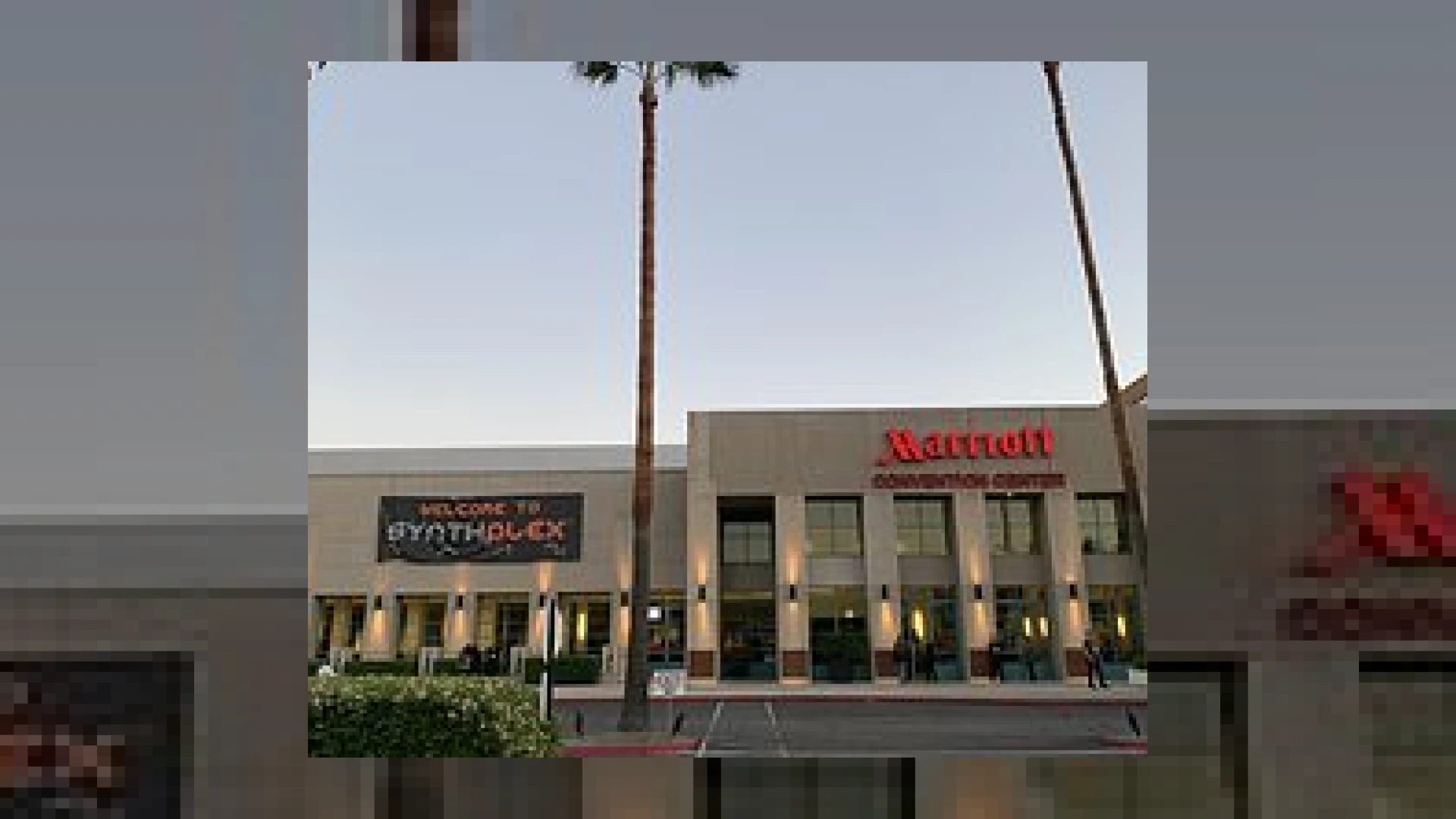
Visual context for Synthplex 2019: ‘Everything Synthesizer’.
As mastering engineers at SM Mastering, we constantly keep our ears to the ground for events and technologies that reshape how electronic music is produced, mixed, and finalized. The inaugural synthplex 2019: ‘everything synthesizer’ event in Burbank, California, did exactly that, bringing together a vibrant community of boutique manufacturers, sound designers, historians, and legendary performers to celebrate the past, present, and future of electronic instrumentation.
Burbank, with its rich entertainment legacy, served as the perfect backdrop for this gathering. Hosted at the modern Marriott Hotel and Convention Center, the event juxtaposed cutting-edge digital technology with raw, vintage analog relics. For engineers and producers, this event highlighted how the boundaries between historic analog warmth and modern digital flexibility have dissolved, creating unique challenges and opportunities in the audio mastering stage.
The Legacy and Innovations of Synthplex 2019: ‘Everything Synthesizer’
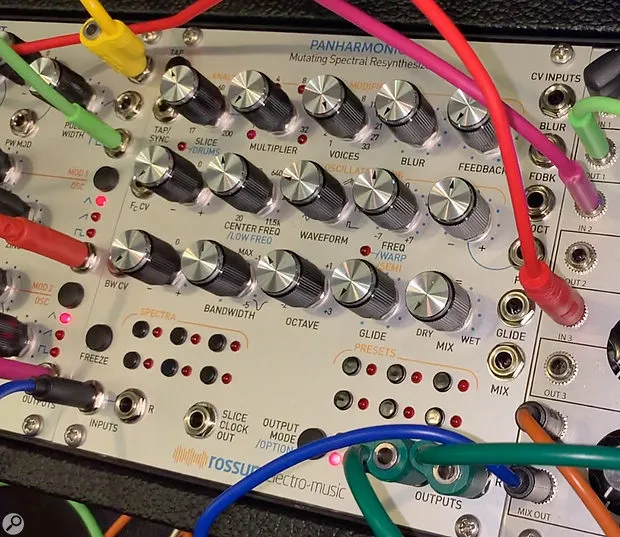
While exploring the exhibits at synthplex 2019: ‘everything synthesizer’, we witnessed an incredible convergence of the Eurorack format alongside historic hardware curated by EMEAPP (the Electronic Music Education And Preservation Project). From classic Moog synthesizers to modern-ancient wonders like the Ondes Martenot and the Optigan, the sheer sonic diversity on display was staggering. The event was split between bustling exhibit halls filled with vendors showcasing tactile modular rigs and educational seminars detailing advanced synthesis techniques.
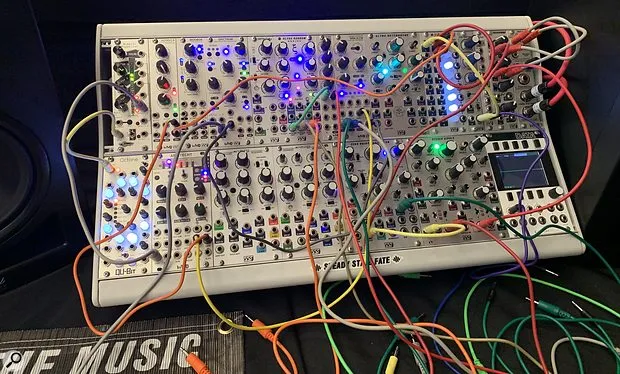
Additional product view and interface angle for Synthplex 2019: ‘Everything Synthesizer’.
For modern producers, integrating these diverse sound sources into a cohesive DAW-based workflow requires high-quality tools. Manufacturers like Universal Audio have spent years perfecting emulations of the classic analog hardware seen at the show, allowing hybrid studios to capture that coveted vintage vibe without the maintenance hassles of historic units. Yet, working with real hardware offers an organic, unpredictable quality that digital plugins strive to replicate.
To help you navigate the gear types discussed and exhibited during the event, we have compiled a specifications and overview table of the primary synthesizer categories that dominated the show floor:
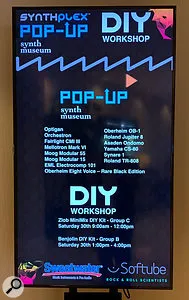
Additional product view and interface angle for Synthplex 2019: ‘Everything Synthesizer’.
| Gear Category | Primary Studio Use | Average Price Range (USD) | SM Mastering Versatility Rating |
|---|---|---|---|
| Eurorack Modular Systems | Generative sequencing, sound design, and custom modulation | $500 – $10,000+ | 4.8 / 5.0 |
| Vintage Analog Monosynths | Heavy basslines, lead sounds, and warm mid-range textures | $1,500 – $8,000+ | 4.7 / 5.0 |
| Modern Digital/Hybrid Polyphonic | Lush pads, complex soundscapes, and digital wavetables | $800 – $3,500 | 4.9 / 5.0 |
| Electro-Acoustic Curiosities | Experimental scoring, microtonal performances, and sound effects | $1,200 – $5,000 | 4.2 / 5.0 |
Integrating these sound sources successfully requires a deep understanding of dynamics and frequency balance. For more insights on how to handle complex analog textures in your final mixes, explore our technical guides available at the SM Mastering Audio Articles portal.
Practical Studio Workflow Tips for Analog and Modular Synths
Reflecting on the sheer variety of equipment at synthplex 2019: ‘everything synthesizer’, it is clear that managing unpredictable dynamic ranges is the key to a professional mix. Here are some essential workflow tips for integrating modular and analog synthesizers into your modern production and mastering chain:
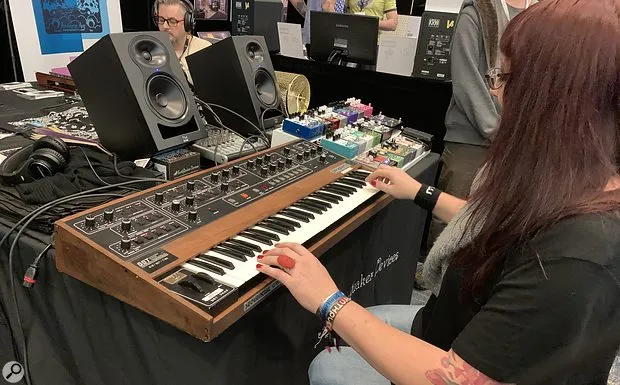
Additional product view and interface angle for Synthplex 2019: ‘Everything Synthesizer’.
- Proper Gain Staging: Modular gear typically operates at Eurorack level (up to 20V peak-to-peak), which is much hotter than standard line-level studio gear. Always use a dedicated output module or DI box with attenuation to avoid clipping your audio interface preamps.
- Managing Low-End Build-Up: True analog oscillators can generate massive sub-bass frequencies that muddy your mix. Use a high-pass filter (HPF) on non-bass synth tracks, cutting gently below 80Hz to preserve headroom for the kick and master channel.
- Taming Transient Spikes: Modular envelopes can have lightning-fast attack times. Use a fast feedback compressor or a peak limiter on your synth buses to capture aggressive transients before they hit the mastering stage.
- Using Saturation for Cohesion: Analog synths respond beautifully to subtle harmonic saturation. Running your digital tracks back through a high-quality preamp or saturator can help bridge the gap between digital precision and vintage grit.
Conclusion
In conclusion, synthplex 2019: ‘everything synthesizer’ established a benchmark for how electronic music festivals should integrate history, performance, and cutting-edge design. By understanding how to harness the raw power of these instruments in your studio—and preparing your mixes properly for the mastering stage—you can achieve a professional, commercial-ready sound that preserves the life and soul of your synthesizers.
Frequently Asked Questions
What is the difference between Eurorack levels and line-level audio?
Eurorack modular synthesizers operate at much higher signal levels (often up to +20 dBu) compared to standard professional studio line-level gear (+4 dBu) or consumer gear (-10 dBV). To record Eurorack modules safely without digital clipping, you must use attenuation modules or line-level converters to step the signal down.

Additional product view and interface angle for Synthplex 2019: ‘Everything Synthesizer’.
Why do analog synthesizers sometimes sound muddy in a dense mix?
Analog oscillators generate incredibly rich harmonic profiles, including deep sub-harmonics. While this sounds great in isolation, these low-frequency elements can quickly build up and cause phase cancellation or muddy the low-mid frequencies when mixed with acoustic drums, vocals, and bass instruments.
How should I prepare analog synthesizer tracks for professional mastering?
Ensure that you print your synth tracks with adequate headroom (aiming for peaks around -6 dBFS to -12 dBFS). Avoid putting aggressive limiters on your master bus before exporting, and keep any creative stereo-widening effects localized to individual synth channels rather than the main mix.
Additional product view and interface angle for Synthplex 2019: ‘Everything Synthesizer’.
Written by SM Mastering
Official content on sound engineering, mixing, mastering, and advanced electronic production by SM Mastering.