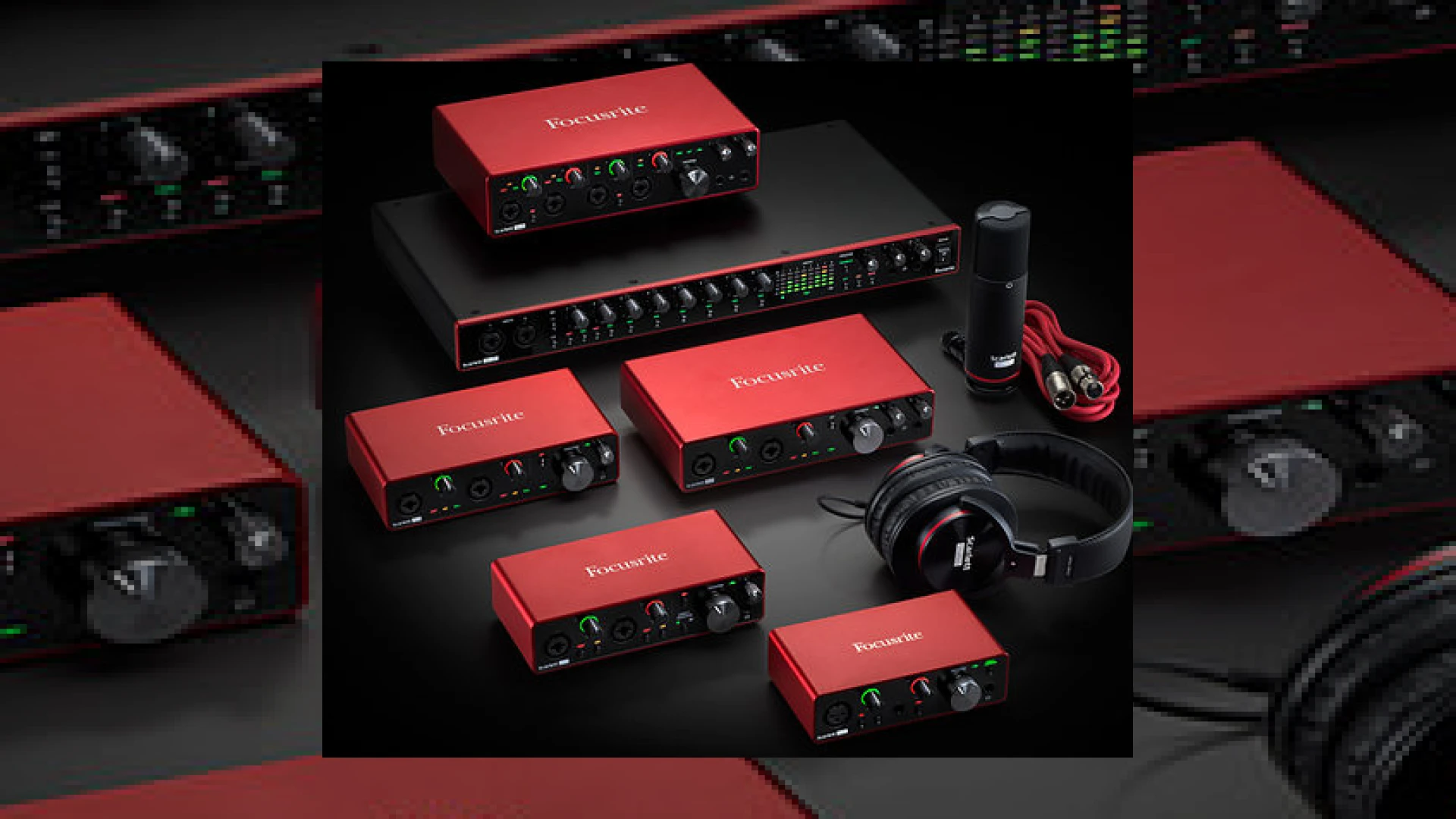
Visual context for Focusrite launch third-generation Scarlett USB-C audio interfaces.
The global audio recording landscape has shifted once again with an exciting release from one of the industry’s most trusted manufacturers. The industry has taken a massive leap forward as we witness the official focusrite launch third-generation scarlett usb-c audio interfaces, bringing unprecedented audio fidelity to home and project studios alike. Here at SM Mastering, we analyze how these hardware advancements impact your final master and overall studio workflow.
Elevated Preamp Performance and the ‘Air’ Circuit
With this release, the focusrite launch third-generation scarlett usb-c audio interfaces represents more than just a cosmetic upgrade; it is a complete internal redesign. Focusrite has upgraded the mic preamps, offering extended gain ranges and superior dynamic range compared to their predecessors. The headline feature is undoubtedly the inclusion of the ‘Air’ effect. Modeled on the legendary ISA transformer-based preamps from Focusrite’s premium Clarett and Red ranges, this circuit adds a high-frequency breathe and sparkle that breathes life into acoustic instruments and vocals. For more deep dives into industry hardware, check out our resource archive at SM Mastering Audio Articles.
Technical Analysis: Focusrite Launch Third-Generation Scarlett USB-C Audio Interfaces
For engineers looking to track pristine vocals, the focusrite launch third-generation scarlett usb-c audio interfaces offer upgraded preamps with the legendary ‘Air’ mode. Across the six new models, ranging from the portable Scarlett Solo to the flagship 18i20, we see massive upgrades in high-headroom instrument inputs and high-performance AD-DA converters (operating up to 24-bit/192kHz). USB-C connectivity ensures a modern, future-proof connection with high-speed round-trip latency. Furthermore, these units come bundled with excellent software, including Ableton Live Lite, Pro Tools First, and premium plugins from Softube and XLN Audio.
Scarlett 3rd Gen Lineup Specifications
| Name | Best Use Case | Approx. Price | Expert Rating |
|---|---|---|---|
| Scarlett Solo (3rd Gen) | Solo Artists & Podcasters | $110 | 4.5/5 |
| Scarlett 2i2 (3rd Gen) | Singer-Songwriters & Small Projects | $160 | 4.8/5 |
| Scarlett 4i4 (3rd Gen) | Synthesizer and MIDI integration | $230 | 4.6/5 |
| Scarlett 18i20 (3rd Gen) | Full Band Recording & Multi-Out Studios | $500 | 4.9/5 |
Practical Studio Workflow Tips for 3rd Gen Scarlett Users
When integrating these units into your hybrid setup, the focusrite launch third-generation scarlett usb-c audio interfaces provide low-latency performance that rival high-end Thunderbolt units. To maximize your results in the studio, consider the following optimization steps:
- Utilize Direct Monitoring: For latency-free tracking, use the hardware direct monitor switch on the Solo and 2i2. This routes the input directly to your monitors or headphones.
- Engage Air Mode for Dark Microphones: Dynamic microphones like the Shure SM7B benefit immensely from the high-frequency lift of the Air circuit, saving you EQ corrective steps in the mixing stage.
- Optimize Buffer Sizes: Keep buffer sizes low (32 or 64 samples) during tracking, and increase them during mixing and mastering to free up CPU processing power.
Conclusion
Ultimately, the focusrite launch third-generation scarlett usb-c audio interfaces solidify Focusrite’s legacy as a market leader in accessible recording technology. Whether you are cutting vocals in a bedroom or tracking a full band, these interfaces provide a clean, detailed signal path that makes the mastering process seamless and highly rewarding.
Frequently Asked Questions
Are the 3rd Gen Scarlett interfaces backward compatible with USB-A ports?
Yes. While they feature a USB-C connection on the back of the device, they ship with a USB-C to USB-A cable, allowing them to work perfectly on older computer systems without native Type-C ports.
What does the ‘Air’ button actually do to the signal?
The ‘Air’ button engages an analog emulation of Focusrite’s classic ISA mic preamplifier. It modifies the preamp’s frequency response, boosting the mid-highs and highs to add clarity and openness to the source material.
Do these interfaces require external power?
The smaller models (Solo, 2i2, and 4i4) are completely bus-powered over USB. The larger rackmount units, such as the 18i20, require a standard external power supply due to their extensive analog circuitry and phantom power demands.
🛒 Official Product Info & Where to Buy
Check full technical specs, pricing, and purchase options directly from the official manufacturer or authorized dealer for Focusrite launch third-generation Scarlett USB-C audio interfaces.

Written by SM Mastering
Official content on sound engineering, mixing, mastering, and advanced electronic production by SM Mastering.