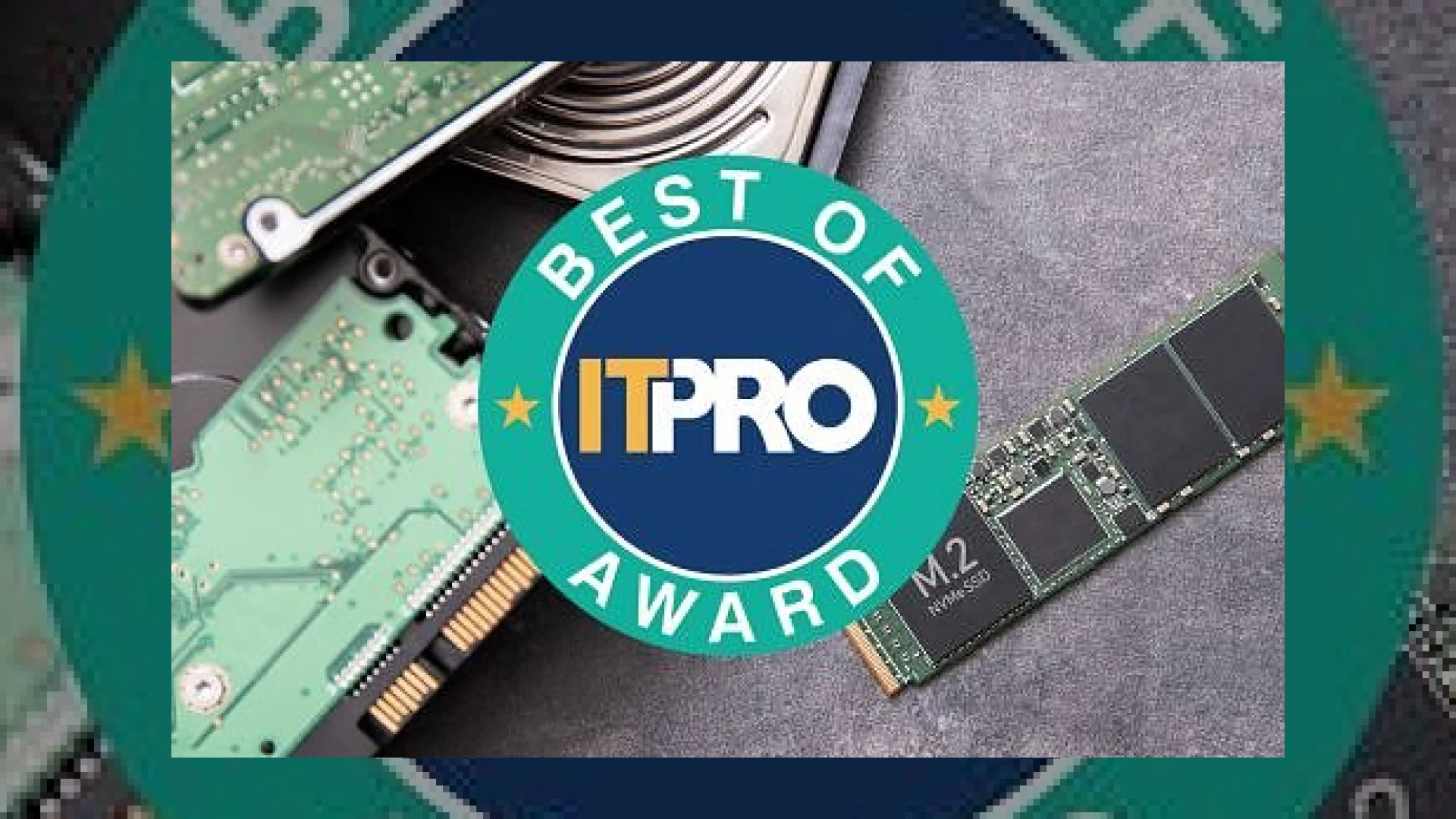
Visual context for Best (SSD) Solid State Drives 2019.
In modern audio mastering and music production, disk read and write speeds are critical bottlenecks that can either unleash or cripple your creative workflow. When dealing with high-resolution sample libraries, complex multitrack arrangements, and intensive digital signal processing, choosing the **best (ssd) solid state drives 2019** had to offer can make all the difference in keeping your system stable and responsive.
When analyzing the technical landscape, the **best (ssd) solid state drives 2019** delivered to the market bridged the gap between raw capacity and ultra-low latency. While traditional hard disk drives (HDDs) still find some utility for long-term archiving, solid-state technology is non-negotiable for running operating systems and active audio sessions. For professional audio engineers, running heavy digital signal processing plugins from industry leaders like iZotope or Universal Audio requires fast buffer handling that only solid-state architectures can support.
To explore more optimizations for your digital audio workstation (DAW) and general studio setups, feel free to dive into our detailed guides on the SM Mastering Audio Articles hub.
Choosing the Best (SSD) Solid State Drives 2019 for DAW Performance
For professional audio engineers, selecting the **best (ssd) solid state drives 2019** offered means prioritizing sustained write speeds and reliable random access times over peak burst rates. In music production, when you play back a project with 100+ tracks of 24-bit/96kHz audio, your drive must retrieve hundreds of small files simultaneously. This is where NVMe (Non-Volatile Memory Express) protocol drives significantly outperform legacy SATA III interfaces.
While SATA III drives top out around 550 MB/s, NVMe PCIe Gen 3 drives can easily push past 3,000 MB/s. However, SATA SSDs remain highly relevant as secondary drives for sample storage due to their lower cost per gigabyte and compatibility with older studio Mac Pros and PCs.
| Drive Name | Optimal Studio Use | Est. 2019 Price Range | Expert Rating |
|---|---|---|---|
| Samsung 970 EVO Plus (NVMe) | OS & Active DAW Projects | $100 – $250 | 9.8/10 |
| WD Black SN750 (NVMe) | High-Sample Libraries (Kontakt) | $90 – $220 | 9.5/10 |
| Crucial MX500 (SATA) | Secondary Storage / Backups | $60 – $130 | 9.0/10 |
| Samsung 860 PRO (SATA) | Heavy-duty continuous writing | $120 – $280 | 9.3/10 |
Practical Studio Workflow Tips
To maximize the performance of your solid-state drives, we recommend utilizing a multi-drive system strategy. By organizing your system resources, the **best (ssd) solid state drives 2019** can prevent the dreaded system overload errors during critical recording sessions:
- Drive 1 (NVMe SSD): Dedicate this drive strictly to your Operating System, DAW installations, and key audio plugins.
- Drive 2 (NVMe or Fast SATA SSD): Use this drive exclusively for your high-demand sample libraries (such as large orchestral contact instruments or drum engines).
- Drive 3 (SATA SSD or HDD): Store your active session audio files and project folders here. This ensures that the read heads of your sample drive do not conflict with the continuous writing of raw audio files.
Conclusion
Investing in the **best (ssd) solid state drives 2019** remains one of the most cost-effective hardware upgrades you can make for an aging studio computer. Transitioning from spinning disk platters to solid-state memory eliminates disk queue bottle-necks, drastically reduces session load times, and allows for much lower buffer settings on your audio interface.
Frequently Asked Questions
Is an NVMe SSD absolutely necessary for audio mastering?
While a standard SATA SSD is fast enough for general audio mastering projects, an NVMe SSD provides significantly faster session load times and smoother navigation when working with massive high-resolution mastering sessions. It is highly recommended for modern, professional setups.
Can I run my sample libraries from an external SSD?
Yes, running sample libraries from an external SSD is incredibly common and efficient, provided you use a fast connection protocol such as USB 3.1 Gen 2 or Thunderbolt 3 to avoid bandwidth bottlenecks.
What is the lifespan of an SSD in a busy recording studio?
Modern SSDs feature high Terabytes Written (TBW) ratings. Even in busy studios where audio is constantly tracked, rendered, and deleted, a high-quality SSD from reputable brands will easily last 5 to 10 years before experiencing wear-and-tear degradation.
Written by SM Mastering
Official content on sound engineering, mixing, mastering, and advanced electronic production by SM Mastering.