Visual context for White Noise – An Electric Storm.
At SM Mastering, we constantly look back at the history of music production to find inspiration for modern mastering and mixing techniques. Released on Island Records in June 1969, the seminal album white noise – an electric storm represents a monumental milestone in the evolution of electronic pop. Created by the visionary trio of David Vorhaus, Delia Derbyshire, and Brian Hodgson, this masterpiece pushed the absolute limits of what was technologically possible at the time. By analyzing how white noise – an electric storm was assembled using primitive oscillators, physical tape splicing, and early filters, we can extract priceless lessons for today’s digital audio workstation (DAW) environments.
Understanding the tedious production of white noise – an electric storm provides modern engineers with a deeper appreciation of micro-editing. Two of the album’s tracks were crafted late at night at the legendary BBC Radiophonic Workshop before the project transitioned to Vorhaus’ newly established Kaleidophon electronic music studio. The sheer dedication required to splice tape by hand to create rhythmic patterns is a testament to the group’s forward-thinking artistry, inspiring organizations like the Delia Derbyshire Day charity to continue educating young creators on these techniques.
The Legacy of white noise – an electric storm
To appreciate the genius behind white noise – an electric storm, one must understand the physical constraints of 1969. Without MIDI, polyphonic synthesizers, or digital audio editors, every single note and sound effect had to be generated individually, recorded onto tape, cut with a razor blade, and manually aligned. This meticulous approach gave the album a organic, slightly unstable quality that modern digital tools often struggle to replicate.
When analyzing the frequency response and dynamics of white noise – an electric storm, we notice a beautifully chaotic stereo image and a rich mid-range saturation. Modern producers looking to capture this vintage vibe can use tape emulation plugins from industry leaders like Universal Audio to add organic warmth, harmonic distortion, and subtle pitch instability to their tracks. If you want to learn more about how vintage analog warmth can enhance your master channel, feel free to explore our collection of SM Mastering Audio Articles.
Recreating Retro-Electronic Sounds in the Modern Studio
Recreating the distinctive textures of late 1960s electronic music requires a mix of analog emulation tools and creative editing workflows. Below is a specifications table detailing the key tools (and modern equivalents) used to capture the classic experimental soundscapes of this era.
| Name | Use | Price | Rating |
|---|---|---|---|
| Physical 1/4″ Tape Deck | Authentic analog saturation and manual tape flanging effects | $500 – $2,000 (Used) | 4.8 / 5 |
| EMS VCS3 (or Clone) | Generates raw, unpredictable analog waveforms and noise patches | $1,000 – $8,000 | 4.9 / 5 |
| Universal Audio Studer A800 | Digital emulation of multi-channel tape warmth and cohesion | $349 | 4.7 / 5 |
| Soundtoys Decapitator | Adds vintage tube and transistor-style saturation to sterile synths | $199 | 4.8 / 5 |
Practical Studio Workflow Tips
- Manual Micro-Editing: Avoid using grid-locked MIDI for all your sequences. Instead, render your synth lines to audio, manually cut them into small fragments, and shift them slightly off-grid to emulate the human error of tape splicing.
- Pitch Modulation: Use a dedicated tape emulator plugin to introduce “wow and flutter.” A subtle, slow pitch modulation on your master or instrument bus immediately evokes a late-60s psychedelic atmosphere.
- Creative Tape Echo: Set up an auxiliary send with a bandpass filter cutting everything below 200 Hz and above 4 kHz. Place a tape delay plugin on this send and feed a small portion of your vocals or synths into it to simulate vintage Radiophonic Workshop tape loops.
Conclusion
The experimental techniques pioneered in 1969 remain highly relevant to modern electronic music production and mastering. By studying the manual assembly methods behind historical landmarks, we learn that limitations often breed the highest levels of creativity. Embracing a bit of chaotic analog imperfection can elevate your digital mixes from sterile to sensational.
Frequently Asked Questions
What makes “An Electric Storm” by White Noise historically significant?
It is widely cited as the first electronic pop album in the United Kingdom. It seamlessly merged experimental tape-manipulation techniques from the avant-garde scene with accessible pop sensibilities, paving the way for future electronic, ambient, and synth-pop genres.
How did the artists create sound effects before synthesizers were common?
The creators relied heavily on tape manipulation, physical splicing, speed alteration, reverse playback, and raw signal generators (oscillators). Every sound was painstakingly recorded, physically cut with razor blades, and glued back together to build rhythmic patterns and textures.
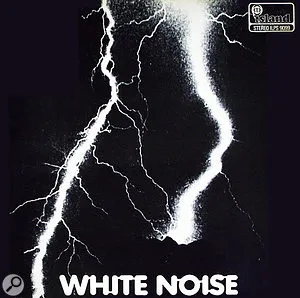
Additional product view and interface angle for White Noise – An Electric Storm.
Can I recreate these vintage effects using digital plugins?
Yes. By utilizing quality tape machine emulators, analog-modeled filters, and manual audio editing in your DAW, you can accurately replicate the warmth, saturation, and organic pitch instabilities that defined early electronic music production.

Written by SM Mastering
Official content on sound engineering, mixing, mastering, and advanced electronic production by SM Mastering.