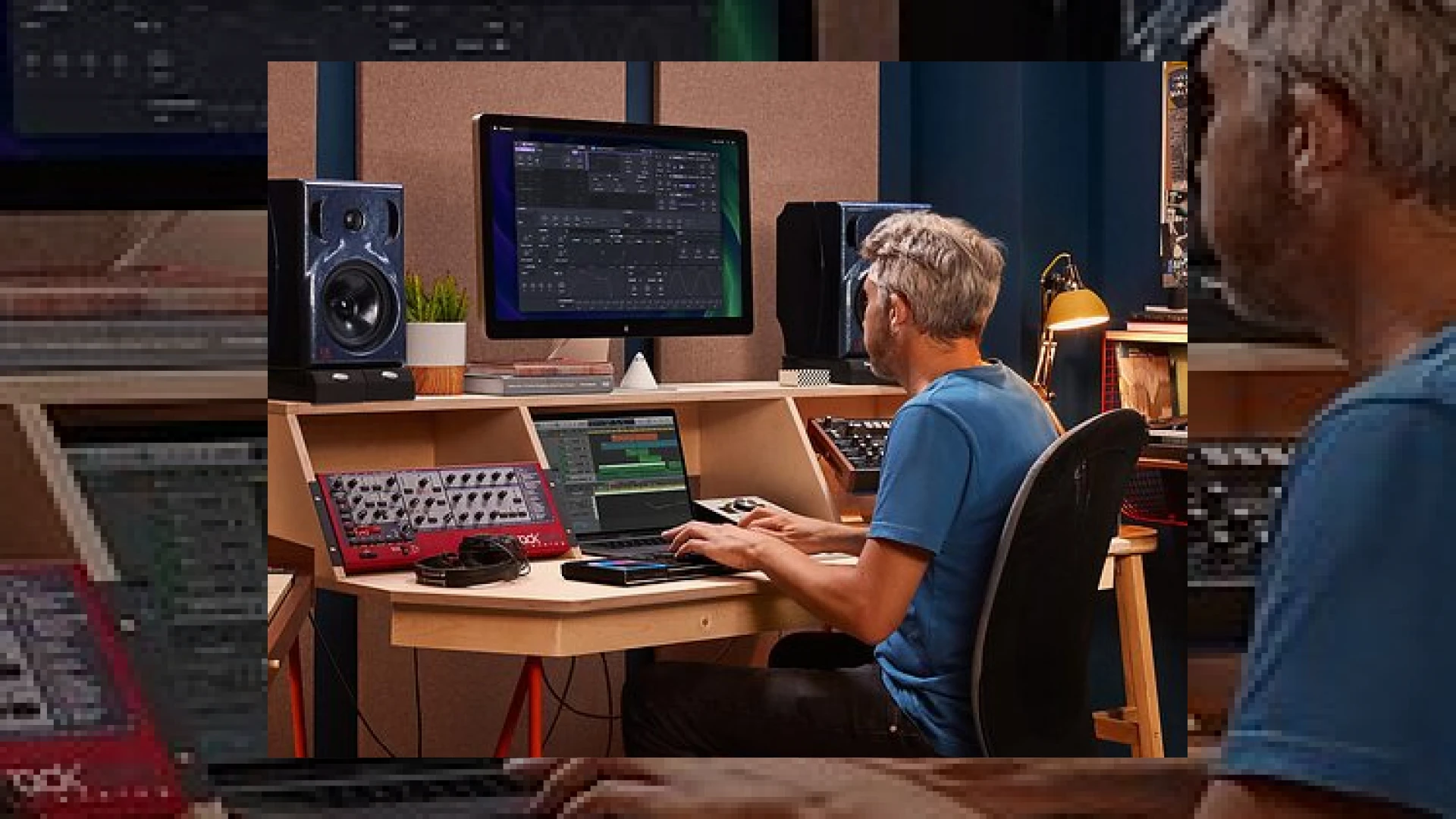
Visual context for ROLI release Equator 2.
With the highly anticipated roli release equator 2, the landscape of MIDI Polyphonic Expression (MPE) has reached a significant milestone. As mastering engineers, we constantly analyze how synthesizers manage spectral distribution, dynamic range, and phase coherence. ROLI’s latest flagship synth is not just a tool for expressive performance; it is a masterclass in hybrid sound design that presents both incredible opportunities and unique challenges for the modern mixing and mastering workflow.
Many mastering engineers and synthesists celebrated the roli release equator 2 because of its ability to bridge the gap between acoustic expressiveness and digital synthesis. Originally developed as an embedded engine for the Seaboard Grand in collaboration with FXpansion, Equator has evolved into an independent software juggernaut. With native MPE support now standard in major DAWs like Ableton Live, Logic Pro, and Cubase, this synthesizer provides an unparalleled playground for complex, multidimensional modulation.
Why the ROLI Release Equator 2 Changes Everything for Producers
Ever since the roli release equator 2, we have noticed a massive increase in the depth of projects sent to our studio. The instrument steps far beyond its original dual-VCO design, introducing a six-source hybrid engine. Users can now load wavetables, high-definition sampler instruments, FM synthesis modules, and granular engines simultaneously. This combination allows for a level of acoustic-electronic hybridization that was previously incredibly difficult to patch from scratch.
From a technical standpoint, the inclusion of 42 new multi-sampled instruments—boasting over 180 individual articulations—means that digital productions no longer have to sound flat. The samples range from rare vintage synths like the Roland System-100 to traditional acoustic instruments. Because of this variety, the roli release equator 2 serves as a highly versatile production suite for film scoring, sound design, and electronic music production alike.
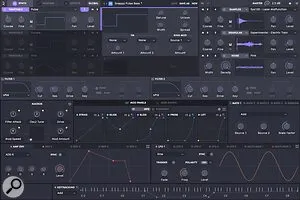
Additional product view and interface angle for ROLI release Equator 2.
Equator 2 Specifications & Overview
To understand the sheer scale of this synthesizer, let us break down its core technical specifications:
| Specification | Details |
|---|---|
| Product Name | ROLI Equator 2 |
| Engine Type | Hybrid (Wavetable, Sampler, Granular, FM, Analog Modeling) |
| Source Slots | 6 Fully Independent Slots |
| MPE Compatibility | Full Native MPE & Standard MIDI Support |
| Included Content | Over 1,300 Presets, 42 Multi-Sampled Instruments |
| Price | $249 (Upgrade paths available for Equator/Seaboard owners) |
| Rating | 4.8 / 5 Stars |
Practical Studio Workflow & Mastering Tips
While the sonic capabilities of Equator 2 are vast, handling such highly dynamic and expressive sounds requires precise control in the studio. Here are our top engineering recommendations for integrating Equator 2 into your production pipeline:
- Control Sub-Bass Accumulation: Because MPE allows you to apply pressure and slide modulations to individual notes, low-end build-up can quickly ruin a mix. Use a high-pass filter on your non-bass Equator patches to preserve headroom for the mastering stage.
- Manage the Dynamic Range: The expressive velocity and pressure curves of the Seaboard can cause wild volume spikes. Consider using transparent parallel compression or a dynamic EQ to pin down fluctuating mid-range frequencies without destroying the organic performance.
- Stereo Width and Phase Check: The complex modulation routing in Equator 2 can create wide, lush stereo images. Always check your master in mono to ensure that out-of-phase elements do not disappear, especially in the lower-mid frequencies.
For more deep-dives into optimizing your mix for professional distribution, explore our extensive library of guides over at the SM Mastering Audio Articles portal.
Conclusion
In our analysis at SM Mastering, we found that the roli release equator 2 provides unparalleled sonic versatility. It demands a thoughtful approach to mixing due to its massive dynamic range and dense frequency response, but the creative payoff is undeniable. By merging granular, wavetable, and multi-sampled synthesis into a unified, MPE-compatible environment, ROLI has solidified Equator 2 as an essential synthesizer for the modern era.
Frequently Asked Questions
Do I need an MPE controller to use Equator 2?
No. While Equator 2 is optimized for MPE controllers like the ROLI Seaboard or Rise series, it functions perfectly as a standard synthesizer using traditional MIDI keyboards and standard DAW automation lanes.
What makes Equator 2 different from the original Equator?
The original Equator was primarily a dual-VCO engine. Equator 2 expands this to six source slots, allowing you to combine granular, wavetable, sampling, and FM synthesis, alongside an entirely overhauled effects section and a massive new library of multi-sampled acoustic instruments.
How does Equator 2 handle CPU usage in heavy projects?
Due to its advanced hybrid engine and extensive modulation matrix, Equator 2 can be CPU-intensive. It is recommended to freeze or bounce your expressive MPE MIDI tracks to high-resolution audio files once your arrangement is finalized to free up processing power for the mixing stage.
🛒 Official Product Info & Where to Buy
Check full technical specs, pricing, and purchase options directly from the official manufacturer or authorized dealer for ROLI release Equator 2.

Written by SM Mastering
Official content on sound engineering, mixing, mastering, and advanced electronic production by SM Mastering.