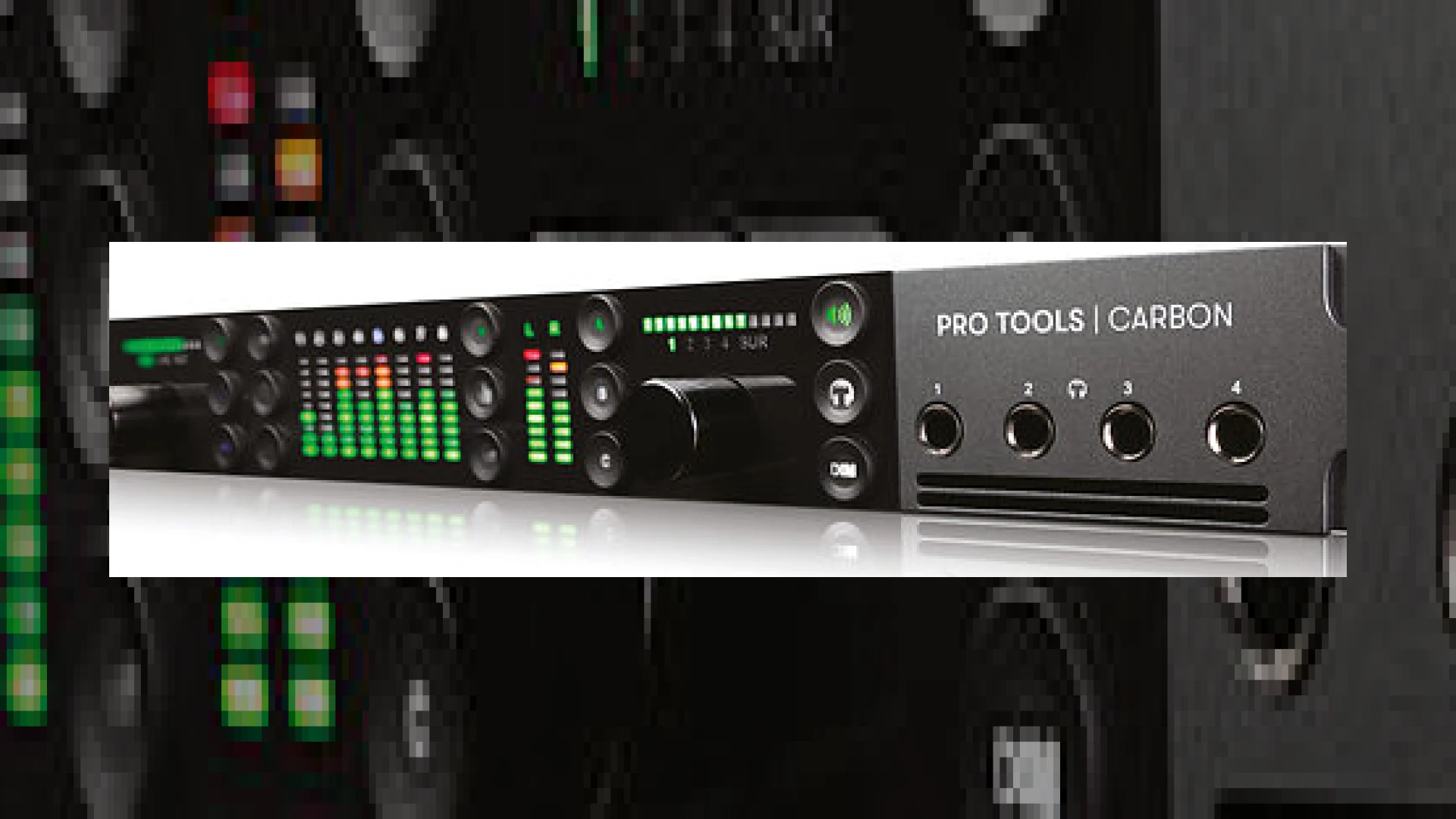
Visual context for EXCLUSIVE REVIEW: Avid's Pro Tools | Carbon.
At SM Mastering, we are constantly analyzing the boundary-pushing hardware shaping modern music production. In this exclusive review: avid’s pro tools | carbon, we dive deep into how this hybrid audio interface transforms studio workflows by combining native CPU power with onboard DSP acceleration. The interface aims to solve the age-old dilemma of latency during tracking without sacrificing native plugin performance during the mixing stage.
For project studios and high-end mastering rooms alike, reading an exclusive review: avid’s pro tools | carbon helps demystify how Avid manages to bridge the gap between local system performance and external HDX DSP chips. Leveraging an AVB Ethernet connection, Carbon delivers extremely low latency, bringing the legendary workflow of high-end commercial facilities to a single rack unit. It presents a streamlined yet incredibly powerful alternative to traditional PCIe card setups.
Exclusive Review: Avid’s Pro Tools | Carbon
To understand what makes this hardware a game-changer, we must look at its core performance metrics. Below is an overview of the key specifications and ratings of the unit based on our extensive lab testing at SM Mastering.
| Name | Use | Price | Rating |
|---|---|---|---|
| Avid Pro Tools | Carbon | Hybrid DSP/Native Audio Interface | $4,199 USD (Typical Retail) | 4.8 / 5.0 |
Hardware Specifications & Conversion Quality
While evaluating this interface for high-end mastering tasks, we discovered that this exclusive review: avid’s pro tools | carbon must highlight the outstanding clocking and AD/DA conversion. The unit utilizes a multi-DAC design alongside double-precision 32-bit clocking, which translates to unmatched stereo imaging, an exceptionally low noise floor, and pristine transient response. This degree of conversion fidelity ensures that mastering engineers can hear every nuance of their master bus processing.
Carbon features eight high-performance mic preamps that are digitally controlled, ensuring instant session recall. Four of these preamps feature variable impedance (Variable Z) inputs, allowing you to match the impedance of your microphones or instruments to alter their tone directly at the input stage. Additionally, with 126 dB of dynamic range on the converters, Carbon matches the high standards set by dedicated premium master converters.
Practical Studio Workflow Tips
Working with hybrid engines can sometimes feel cumbersome in lesser setups. However, as we explore in our exclusive review: avid’s pro tools | carbon, the seamless integration with the Pro Tools software allows users to toggle DSP mode on a per-track basis. With a single click of the lightning bolt icon, your track’s entire plugin chain is offloaded to Carbon’s onboard HDX DSP chips, dropping latency to sub-millisecond speeds while the rest of your session continues to run on your computer’s native processor.
To get the most out of Avid Pro Tools | Carbon in your daily studio routine, consider the following optimization strategies:
- Utilize AVB Network Allocation: Ensure your Mac is configured correctly for AVB. Carbon uses Ethernet to transmit audio, which leaves your USB and Thunderbolt ports completely free for external storage, MIDI controllers, and auxiliary displays.
- Engage DSP Mode During Overdubs: When recording over a heavy mix, do not raise your buffer size. Simply shift the recording tracks into DSP mode to preserve low latency monitoring while leaving the master bus running native mastering-grade plugins.
- Leverage the Variable Z Inputs: When tracking passive ribbon mics or electric guitars, adjust the input impedance settings in your Pro Tools channel strip to achieve the desired high-end response and mid-range warmth before applying any EQ.
The SM Mastering Verdict
Ultimately, putting together this exclusive review: avid’s pro tools | carbon has proven that Avid is committed to eliminating latency once and for all, challenging competitors like Universal Audio in the professional hybrid DSP market. For engineers looking to expand their knowledge on mastering-grade setups, dynamic range control, and industry secrets, explore our comprehensive collection of tutorials and guides over at the SM Mastering Audio Articles hub.
Frequently Asked Questions
Is Pro Tools | Carbon compatible with Windows computers?
Officially, Pro Tools | Carbon is designed for macOS systems due to its heavy reliance on the core-level AVB (Audio Video Bridging) network drivers natively built into Apple’s operating systems. Windows users would require specific, qualified AVB network cards and third-party driver setups, which are not currently certified by Avid.
Can I expand the channel count of Pro Tools | Carbon?
Yes, Carbon features dual ADAT optical inputs and outputs, allowing you to expand your system by up to 16 channels of digital I/O. This makes it incredibly easy to connect external mic preamps or analog summing mixers to accommodate larger recording sessions.
Do I need a Pro Tools Ultimate license to use Carbon?
No, Carbon comes packaged with a 1-year subscription to Pro Tools (formerly Pro Tools Standard), which fully supports the Hybrid Engine. You do not need the expensive Pro Tools Ultimate/Flex license to unlock the low-latency DSP tracking features of this interface.
🛒 Official Product Info & Where to Buy
Check full technical specs, pricing, and purchase options directly from the official manufacturer or authorized dealer for EXCLUSIVE REVIEW: Avid's Pro Tools | Carbon.

Written by SM Mastering
Official content on sound engineering, mixing, mastering, and advanced electronic production by SM Mastering.